To run a tournament all day, you need a power station that matches your equipment’s wattage and includes backup options like solar panels or generators for extended use. Smaller setups support phones and lights, while larger stations can handle speakers and projectors. Keep in mind environmental factors and proper load management to maximize runtime. If you want to learn how to pick the right system for your event, keep exploring the details below.

Get sports gear delivered free with Prime
- Fast, free delivery on millions of items
- Prime Video, Amazon Music and more included
- Member-only deals all year
Key Takeaways
- Match power station capacity to total device wattage, including buffers and surge protection, for all-day operation.
- Use larger, high-capacity batteries or generators to support continuous power for multiple devices.
- Incorporate solar panels and backup generators to extend runtime and ensure reliable power during variable weather.
- Support energy-efficient devices and proper load management to maximize operational hours.
- Regularly assess environmental factors and perform maintenance to maintain power station performance throughout the event.
high capacity portable power station
As an affiliate, we earn on qualifying purchases.
As an affiliate, we earn on qualifying purchases.
How Much Power Do You Need for Your Tournament?

Before planning your tournament, you need to determine how much power you’ll require to run all your equipment smoothly. Start by listing everything that needs power, from lights and sound systems to charging stations and video screens. Once you have your list, estimate each device’s wattage and total them up. Consider adding a buffer for unexpected power needs. Solar panels can help supplement your energy, especially during daylight hours, reducing reliance on grid power. Backup generators are essential for ensuring continuous operation if solar power isn’t enough or during cloudy days. Additionally, understanding energy consumption patterns can help optimize your power setup and avoid overloads. Recognizing battery capacity and inverter specifications is crucial for selecting the right power solutions and ensuring they can handle your event’s demands. To prevent power disruptions, it’s also important to account for derating factors such as altitude and temperature, which can affect generator performance. Proper power distribution is key to safely managing multiple devices and preventing overloads. By calculating your total power requirements carefully, you’ll avoid outages and keep your event running seamlessly. Conducting a detailed power analysis in advance can further help identify potential issues and improve your setup. Proper planning guarantees your tournament is powered efficiently and reliably from start to finish.
solar generator for outdoor events
As an affiliate, we earn on qualifying purchases.
As an affiliate, we earn on qualifying purchases.
Which Types of Power Stations Are Best for Events?

Choosing the right power station for your event depends on your specific energy needs and the environment in which you’ll be operating. For outdoor tournaments or remote locations, solar generators are a great option because they harness sunlight and provide clean, renewable energy. They’re quiet, eco-friendly, and ideal for long durations. Portable batteries are excellent for smaller setups or events requiring quick deployment; they’re compact, lightweight, and easy to transport. Consider the power capacity and run time of each option to ensure they can support your devices all day. If sustainability is a priority, solar generators are the best choice. For more flexibility and convenience, portable batteries work well, especially if you need rapid recharging or backup power. Matching the right type to your event’s demands guarantees reliable performance. Additionally, understanding power quality and monitoring can help you optimize your setup and prevent unexpected outages during your event, especially when managing energy efficiency. Incorporating proper system sizing ensures your power station can meet the demands of your equipment throughout the event. Paying attention to site conditions such as weather and terrain can further enhance the reliability of your power setup. A thorough assessment of power system components can also prevent potential failures and improve overall efficiency.
camping power station with inverter
As an affiliate, we earn on qualifying purchases.
As an affiliate, we earn on qualifying purchases.
What Devices Can a Power Station Support Throughout the Day?

A power station can support a wide range of devices throughout the day, but the types and number of devices it can handle depend on its capacity. If you have a solar power-equipped station, you can run small electronics like smartphones, tablets, and LED lights steadily, especially during sunny days. Portable generators add flexibility, allowing you to power larger devices such as speakers, projectors, or even small refrigerators. The key is matching your device power needs with the station’s output. Keep in mind that high-wattage appliances will drain the station faster, so plan accordingly. Combining solar power with portable generators provides a reliable energy source, ensuring you can keep essential devices running throughout the day without interruptions. Additionally, understanding contrast ratio in projectors can help you select the right visual equipment for your tournament setup, and considering electric dirt bike horsepower can give insight into efficient power use for transport or entertainment devices. To optimize your setup, it’s helpful to consider the cultural significance of Indonesian decor masks to add aesthetic appeal and create a vibrant environment at your event. Also, being aware of your power consumption patterns can help you manage device usage more effectively and extend battery life during long events. Planning for energy efficiency can further maximize your power station’s runtime and ensure a smooth experience all day long.
large battery backup for tournaments
As an affiliate, we earn on qualifying purchases.
As an affiliate, we earn on qualifying purchases.
How Long Can a Power Station Run Without Recharging?
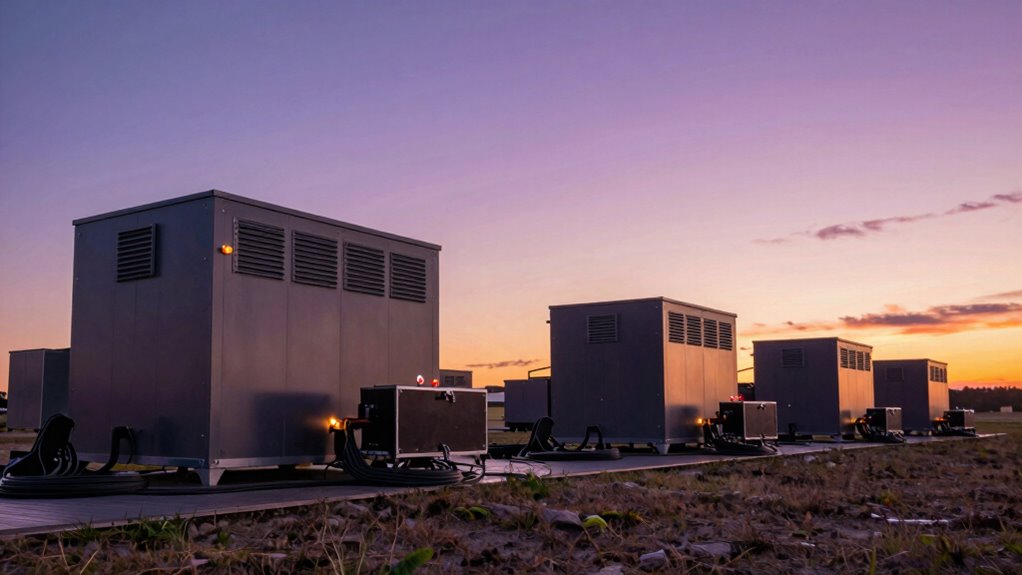
Your power station’s run time depends on its battery capacity and size, as well as how much power your devices consume. If you use energy-efficient equipment and manage your usage patterns, it can last much longer without recharging. Understanding these factors helps you plan for continuous power during tournaments. Additionally, choosing a power station with Smart Power Management features can optimize energy use and extend operational time. Incorporating solar panel compatibility can also help recharge your station efficiently when sunlight is available, further increasing its runtime. Proper battery maintenance can also ensure your power station performs optimally over time, preventing unexpected decreases in capacity. Being aware of energy consumption patterns allows you to better estimate your station’s endurance and avoid surprises during critical moments. Regularly monitoring power usage can help you identify and reduce unnecessary energy drain, maximizing your station’s operational period.
Battery Capacity and Size
Battery capacity and size directly determine how long a power station can operate without recharging. The larger the battery size, the more energy it stores, allowing for extended use. Energy density plays a vital role, as higher energy density means more power in a smaller, lighter package. When evaluating a power station, consider these factors:
- Battery size influences total run time
- Higher energy density provides more power per volume
- Larger batteries tend to be heavier and less portable
- Ideal balance between size and capacity ensures efficiency
- Battery chemistry affects longevity and performance
- Free Floating technology can help optimize energy management and improve efficiency
Understanding these aspects helps you choose a power station that reliably supports your tournament needs without frequent recharging. The right balance ensures continuous power, keeping your event running smoothly.
Power Consumption Rate
Ever wondered how long a power station can keep your tournament equipment running without needing a recharge? Your device’s power consumption rate determines this. If your gear draws low wattage, your power station might last all day, especially if it’s solar compatible, allowing you to recharge via sunlight. Be mindful of weight considerations—lighter stations often have smaller batteries and may not sustain prolonged use. Conversely, heavier units typically pack larger batteries, offering longer runtime. To maximize run time, check the power station’s watt-hour rating against your equipment’s total wattage. Efficient devices consume less power, extending operational hours. Remember, understanding these factors helps you choose a station that keeps your tournament running smoothly without frequent recharges.
Usage Patterns and Efficiency
Understanding how your power station performs over time depends on your usage patterns and the efficiency of your equipment. Your setup’s runtime without recharging hinges on factors like energy demands and how well components work together. If you use solar panels, you can extend operation by harnessing sunlight, but efficiency varies with weather conditions. Portable generators tend to have limited fuel capacity, affecting continuous use. To maximize runtime:
- Use energy-efficient devices
- Optimize load distribution
- Keep solar panels clean and properly angled
- Schedule heavy power draws during peak sunlight
- Regularly maintain generators for peak performance
What Environmental and Usage Factors Affect Power Station Performance?

Environmental conditions and usage patterns play a crucial role in determining how well a power station performs during tournaments. Extreme temperatures, humidity, and wind can affect equipment efficiency and longevity. For instance, high heat may cause overheating, while cold weather can reduce battery capacity. Heavy usage increases wear and tear, impacting overall reliability. Choosing a power station that utilizes renewable sources, like solar or wind, can minimize environmental impact and provide sustainable energy during long events. However, weather variability can limit these sources’ effectiveness. You need to contemplate how environmental factors influence performance to guarantee consistent power supply. Proper site selection and environmental assessments help optimize performance, reduce downtime, and extend the station’s lifespan, ensuring you can run all day without unexpected interruptions.
Common Myths About Power Station Capabilities, Debunked

Many people assume power stations can handle more than they actually can, but their capacity is often overestimated. Run time can vary widely depending on usage, so relying on a fixed duration is misleading. Additionally, equipment compatibility limits mean not all devices can connect seamlessly, no matter the station’s advertised capabilities.
Power Capacity Overestimated
Have you ever wondered if power stations at tournaments can truly deliver the capacity they claim? Many overestimate their output because manufacturers sometimes present peak power rather than continuous capacity. This can be misleading, especially if you’re relying on the station for long hours. Remember, battery lifespan and charging cycles also impact sustained performance — batteries degrade over time, reducing effective capacity. To better understand, consider these points:
- Peak power isn’t equal to usable continuous output
- Overestimations ignore real-world efficiency losses
- Battery degradation shortens reliable run time
- Charging cycles affect overall battery health and capacity
- Actual output depends on load and environmental conditions
Knowing these factors helps set realistic expectations, ensuring you don’t overpromise or underperform during crucial tournament moments.
Run Time Variability
Misunderstandings about run time are common, often stemming from misconceptions about power station capabilities. Many believe that once a power station is full, it will run indefinitely, but actual run time varies based on factors like solar efficiency and battery lifespan. Solar efficiency impacts how well the station recharges during daylight, affecting how long it can sustain loads. Overestimating battery lifespan can lead to unexpected shutdowns if batteries degrade faster than expected. Knowing these dynamics helps you plan more accurately, avoiding false expectations of continuous operation. Proper maintenance and understanding of your station’s recharge cycles ensure you get the most reliable run time. Remember, no power station is immune to variability, so always plan for some margin to keep your tournament running smoothly.
Equipment Compatibility Limits
A common myth is that power stations can handle any device regardless of its power requirements, but in reality, equipment compatibility limits how much load a station can support. Your station’s capacity depends on factors like solar compatibility and voltage limitations. Overloading can cause shutdowns or damage. To avoid issues, consider these points:
- Ensure devices don’t exceed the station’s total wattage capacity
- Check for compatible voltage levels to prevent surges
- Confirm solar input aligns with your equipment’s energy needs
- Use appropriate adapters to match plug types and voltage
- Be aware of surge protection for sensitive electronics
Understanding these limits helps you select equipment that runs reliably all day, avoiding unexpected failures and ensuring smooth operation during tournaments.
Tips for Planning a Reliable Power Setup for Your Event

Planning a reliable power setup for your event begins with evaluating your energy needs and identifying potential sources of disruption. Start by calculating the total wattage your equipment requires, considering future expansion. Proper battery management guarantees your power sources stay charged and ready, preventing unexpected outages. Incorporate surge protection to safeguard sensitive electronics from voltage spikes, especially during storms or grid fluctuations. Use surge protectors and ensure your power stations have built-in protection features. Distribute power evenly across outlets to avoid overloads. Always have backup options, like extra batteries or portable generators, on hand. Regularly inspect your equipment for wear or damage. By carefully managing batteries and protecting against surges, you create a dependable power environment that keeps your tournament running smoothly all day.
How to Choose the Right Power Station for Your Budget and Needs

Choosing the right power station involves balancing your budget with your specific energy needs. Consider how much power you’ll require during your tournament and whether you want a portable solution or one that connects to the power grid. Solar efficiency plays a key role if you’re aiming for sustainable energy, especially in remote locations. To make the best choice, evaluate:
- Your total wattage requirements
- The availability of sunlight for solar-powered options
- The capacity for recharging via the power grid
- Battery life and recharge times
- Cost of maintenance and potential upgrades
Frequently Asked Questions
Can Power Stations Handle High-Power Equipment Like Large Speakers or Lighting Rigs?
Yes, power stations can handle high-power equipment like large speakers or lighting rigs, but you need to verify their power capacity and device compatibility first. Make sure the station’s wattage rating matches or exceeds your equipment’s power needs. Always verify the output connectors and voltage to ensure safe and reliable operation. Proper planning prevents overloads, so choose a power station with enough capacity for your entire setup.
Are Portable Power Stations Safe to Use Outdoors in Various Weather Conditions?
Like a trusty shield in a hero’s tale, portable power stations are designed with weather resistance for outdoor safety. They can handle light rain and moderate weather conditions, but you shouldn’t expose them to heavy rain or snow. Always check the manufacturer’s guidelines and guarantee proper ventilation. If you take precautions, you can confidently use them outdoors, keeping your equipment powered without risking damage or safety hazards.
How Do I Properly Maintain and Store a Power Station for Long-Term Use?
To properly maintain and store your power station for long-term use, you should regularly check the battery maintenance, ensuring it’s charged but not overfilled. Use recommended storage techniques like keeping it in a cool, dry place away from direct sunlight and extreme temperatures. Before storing, fully charge the unit, then disconnect any cables. Periodically recharge it during storage to preserve battery health and extend its lifespan effectively.
What Is the Average Lifespan of a Typical Power Station Used at Events?
You can expect a typical power station used at events to last around 3 to 5 years, depending on usage and maintenance. Battery life plays a key role, so follow maintenance tips like avoiding deep discharges and keeping units in a cool, dry place. Regularly charging and inspecting your power station helps extend its lifespan, ensuring you get the most out of your investment during tournaments and events.
Are There Any Safety Certifications or Standards to Look for When Choosing a Power Station?
When choosing a power station, look for UL Certification and weather resistance to guarantee safety and durability. These standards act as a gentle shield, giving you confidence that the equipment is tested and reliable under various conditions. A UL-certified station meets strict safety guidelines, while weather-resistant features protect against the elements. Prioritizing these certifications keeps your event running smoothly and safely, so you can focus on the game.
Conclusion
Choosing the right power station is like assembling a puzzle—you need the right pieces to keep your event running smoothly all day. By understanding your power needs, considering environmental factors, and debunking common myths, you can confidently plan a reliable setup. With the right equipment, your tournament will run seamlessly, just like a well-oiled machine. Trust your research and stay prepared—you’ll keep the energy flowing from start to finish.
NFL season / tailgating Picks
team gear
As an affiliate, we earn on qualifying purchases.