

To train safely with overload and underload bats, start by selecting weights that are 10-20% heavier or lighter than your regular bat and increase gradually. Focus on maintaining proper grip, stance, and smooth mechanics, avoiding rushing or overexertion. Don’t skip proper warm-up or recovery, and watch for signs of fatigue or loss of control. If you want to learn how to avoid common mistakes and maximize progress, keep going to find out more.

Get sports gear delivered free with Prime
- Fast, free delivery on millions of items
- Prime Video, Amazon Music and more included
- Member-only deals all year
Key Takeaways
- Gradually increase bat weight and training intensity to prevent injury and ensure proper technique.
- Use overload/underload bats within recommended weight ranges (15-20% heavier or lighter than your regular bat).
- Prioritize controlled swings and proper mechanics over maximum power or speed during drills.
- Incorporate rest days and monitor for signs of fatigue or soreness to avoid overtraining.
- Seek guidance from coaches or trainers to develop a personalized, safe training progression.
As an affiliate, we earn on qualifying purchases.
What Is Overload and Underload Bat Training and Why It Works
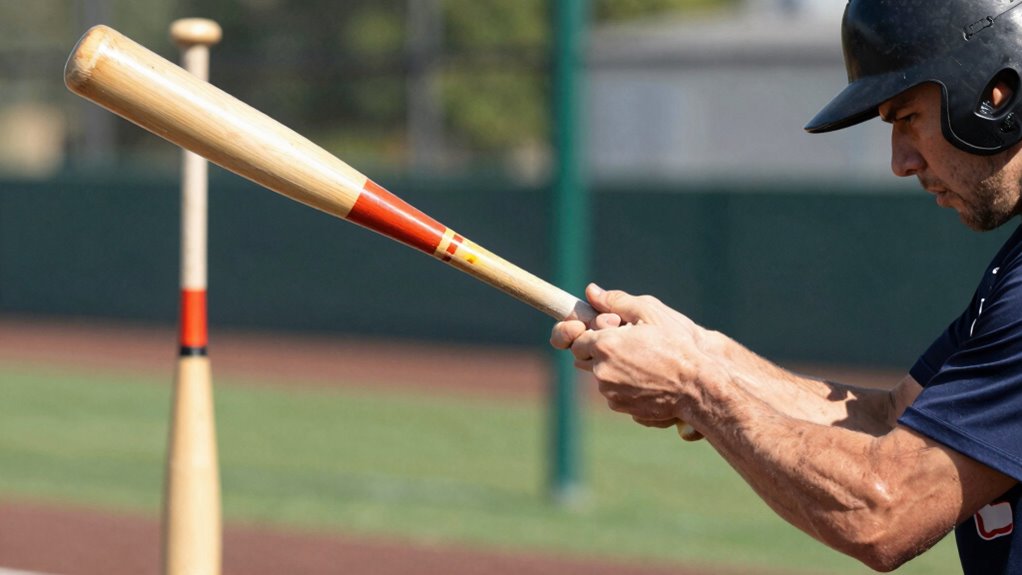
Overload and underload bat training are effective methods for improving a hitter’s strength and swing mechanics. By carefully selecting the right bat weight, you can maximize training benefits without risking injury. Overload training uses a heavier bat, helping you develop power and stability through increased resistance, while underload training involves a lighter bat to enhance swing speed and quickness. Proper bat weight selection guarantees your muscles adapt correctly, avoiding strain or poor technique. Training frequency also plays a key role; consistent sessions—typically 2-3 times a week—allow your muscles to strengthen gradually. When combined with the right bat weight, this approach helps you build muscle memory, improve swing mechanics, and increase overall performance safely and effectively.
As an affiliate, we earn on qualifying purchases.
How to Choose the Right Overload or Underload Bat for Safe Practice

Choosing the right overload or underload bat is essential for safe and effective training. Start by considering your bat weight selection carefully; selecting a weight that’s too heavy or too light can compromise safety and hinder progress. Generally, an overload bat should be about 15-20% heavier than your regular bat, while an underload bat should be 10-15% lighter. Your training frequency also matters; avoid overdoing it with excessive swings, which can cause injury. Focus on quality repetitions rather than quantity, and gradually increase the intensity as your strength improves. Always listen to your body and allow adequate rest between sessions. Proper bat weight selection combined with mindful training frequency helps improve performance without risking injury. Additionally, understanding high refresh rates and their impact on visual feedback can help you better gauge your swing speed and timing during training. Incorporating appropriate rest intervals can further enhance recovery and prevent overuse injuries, ensuring long-term progress. Being aware of training load management is crucial to avoid setbacks and promote sustainable development in your training routine, especially when considering the importance of proper technique to prevent strain. Moreover, paying attention to individual capacity ensures you tailor your training to your unique physical abilities, reducing the risk of overtraining.
As an affiliate, we earn on qualifying purchases.
Proper Technique for Using Overload and Underload Bats Safely
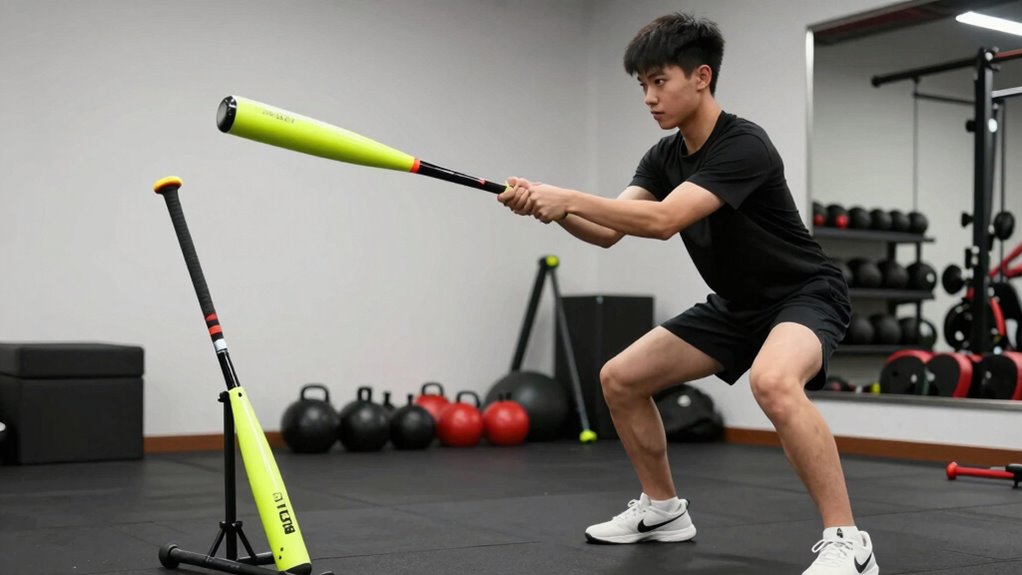
To use overload and underload bats safely, focus on maintaining a proper grip and stance throughout your swings. Keep your movements controlled and avoid rushing, so you stay balanced and avoid injury. Mastering smooth swing mechanics helps you build strength without risking improper technique. Additionally, incorporating consistent training ensures you develop proper form and avoid developing bad habits.
Proper Grip and Stance
Using the correct grip and stance is essential for safely handling overload and underload bats. Proper grip positioning ensures control and reduces strain, while stance stability maintains balance during swings. To achieve this:
- Keep a relaxed grip, placing your hands comfortably on the bat to avoid tension.
- Position your feet shoulder-width apart, with knees slightly bent for better stance stability.
- Distribute your weight evenly, leaning slightly forward to stay balanced and prepared for quick movements.
- Incorporate proper body alignment to enhance control and minimize injury risk. Additionally, maintaining proper posture helps prevent fatigue and muscle strain during training sessions.
- Regularly check your ergonomic setup to ensure your training position supports your safety and performance.
- Incorporating correct training techniques can further reduce the risk of injury and improve effectiveness during overload and underload sessions.
This setup helps prevent injuries and promotes safe practice. Maintaining a consistent grip and stance allows you to focus on technique without risking strain or imbalance. Remember, a solid foundation is key to safe overload and underload training.
Controlled Swing Mechanics
Mastering controlled swing mechanics is essential when working with overload and underload bats, as improper technique can increase the risk of injury. Focus on maintaining a consistent swing path to develop better bat speed and control. Keep your hands close to your body and lead with your hips to ensure a smooth, efficient motion. Avoid rushing the swing; instead, prioritize a fluid, deliberate motion that promotes proper muscle memory. Use your core to generate power, not just your arms, which helps you control the swing and prevent strain. Practice with lighter bats to develop these mechanics before gradually increasing weight. By regulating your swing path and maintaining proper form, you’ll improve bat speed safely and maximize the benefits of overload and underload training. Additionally, incorporating proper swing mechanics can help prevent strain and injury during training. Paying attention to training safety guidelines ensures you train effectively without risking setbacks or injury.
baseball swing speed training bat
As an affiliate, we earn on qualifying purchases.
As an affiliate, we earn on qualifying purchases.
Common Mistakes to Avoid When Incorporating Bat Drills
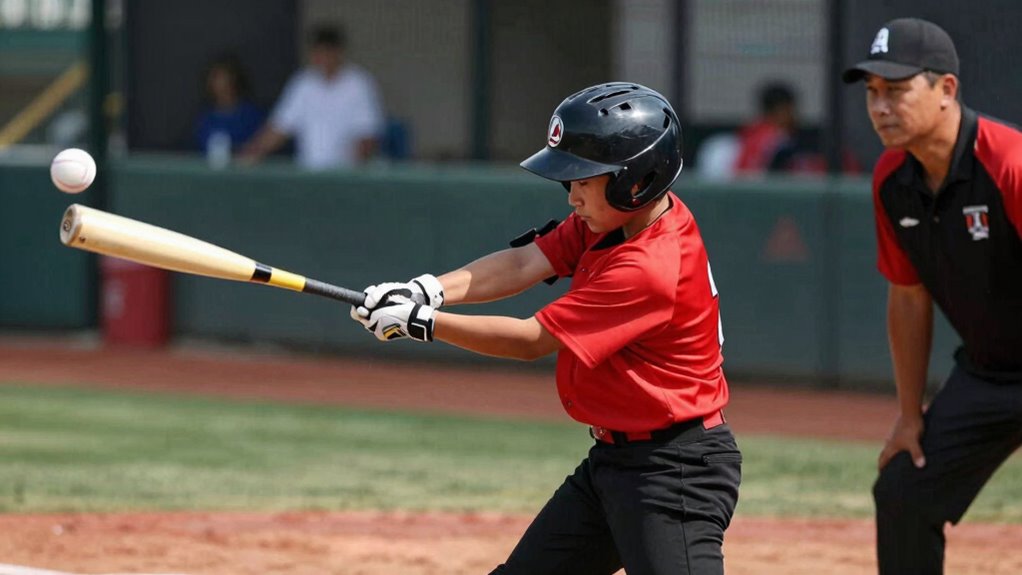
One common mistake is skipping proper progression, which can lead to injury or reduced effectiveness. You should avoid overusing heavy drills, as they can cause fatigue and hinder development. Focusing on balanced training guarantees safe and consistent improvement. Additionally, paying attention to training progression helps ensure that you build strength safely without risking setbacks. Incorporating proper recovery strategies allows your body to adapt and prevents overtraining.
Ignoring Proper Progression
Have you ever jumped into bat drills without gradually increasing intensity? Ignoring proper progression can compromise progression safety and disrupt technique consistency. Rushing into heavy or complex drills may cause injury or poor habits. To avoid this, focus on a step-by-step plan: 1. Start with light bats to master form before adding weight. 2. Increase load gradually, ensuring your technique remains consistent at each stage. 3. Listen to your body—if you feel strain or discomfort, back off and reassess before progressing. 4. Remember that training progression is essential for building strength safely and effectively. Additionally, understanding training load management can help you tailor your progress and prevent setbacks. Paying attention to exercise intensity ensures you do not push beyond safe limits, further supporting safe training practices. Incorporating proper recovery is also crucial to allow your muscles to adapt and avoid overtraining.
Overusing Heavy Drills
While heavy drills can build strength and power, overusing them can cause your technique to break down and increase injury risk. Focusing too much on heavy drills may lead you to develop a poor bat grip, which hampers your swing efficiency. Additionally, constantly swinging heavy bats can slow your swing speed over time, as your muscles become fatigued or overly reliant on brute force. To avoid these mistakes, balance heavy drills with lighter, speed-focused swings. This approach helps maintain proper form and ensures your bat grip remains solid. Remember, quality over quantity matters; overdoing heavy drills can do more harm than good, leading to bad habits and potential setbacks in your hitting development.
How to Incorporate Bat Training Into Your Regular Practice Safely
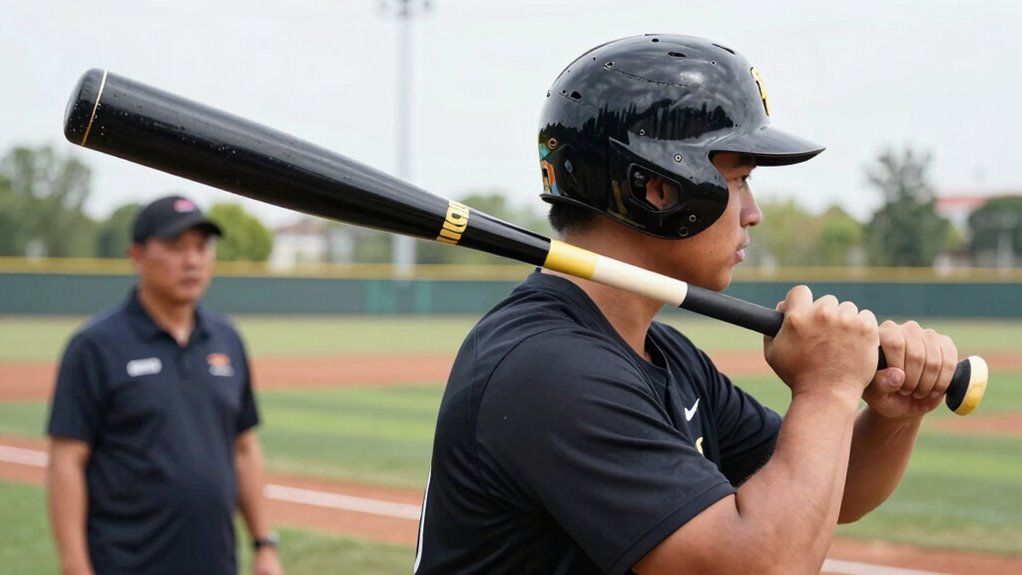
Incorporating bat training into your regular practice requires careful planning to guarantee safety and effectiveness. To do this, focus on gradually increasing bat speed without overwhelming your muscles, which can lead to fatigue or injury. Start with lighter bats to warm up, then slowly introduce overload or underload bats. A gradual progression helps prevent muscle fatigue and ensures sustainable training gains. Additionally, paying attention to proper Victorian/steampunk attire can help you stay comfortable and focused during training sessions. Consider these key steps: 1. Monitor bat speed to ensure you’re maintaining proper mechanics and avoiding overexertion. 2. Limit training sessions to prevent muscle fatigue from accumulating, which hampers performance. 3. Incorporate rest periods** between drills to allow muscles to recover and adapt safely. Incorporating knowledge about essential oils for muscle relaxation and recovery** can further optimize your training and aid in recovery after intense sessions.
Signs You’re Overtraining and How to Adjust Your Routine
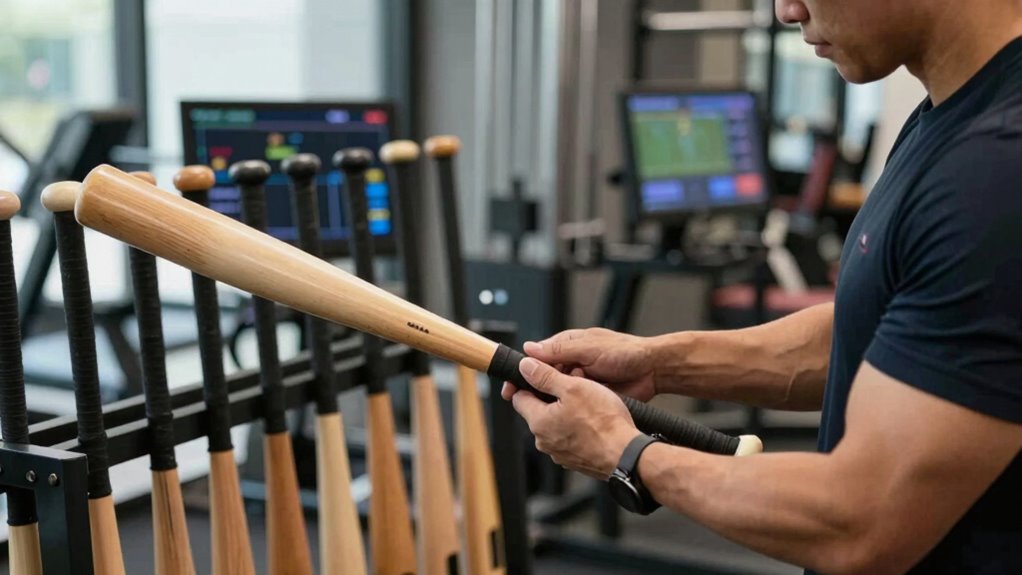
When you push your training too hard without recognizing the signs, overtraining can quickly lead to fatigue, decreased performance, and injury. You might notice a drop in bat speed, difficulty maintaining your core strength, or persistent soreness. These signs indicate your body isn’t recovering properly. To adjust, reduce training intensity, incorporate rest days, and focus on proper recovery. Tracking your progress helps identify early warning signs. Remember, overtraining hampers your ability to develop power and speed, so balance is key.
| Overtraining Signs | Adjustments Needed |
|---|---|
| Decreased bat speed | Add rest and recovery days |
| Persistent fatigue | Lower intensity sessions |
| Loss of core strength | Prioritize sleep and nutrition |
| Increased injury risk | Consult a coach or trainer |
Expert Tips for Safe and Effective Bat Overload and Underload Drills

To maximize the benefits of overload and underload drills safely, you need to follow proven techniques that emphasize proper execution and gradual progression. Focus on maintaining correct bat grip techniques to ensure control and reduce injury risk. Incorporate swing speed analysis to monitor improvements and avoid overexertion. Here are expert tips to optimize your training:
- Start with light or heavy bats gradually, ensuring your grip remains consistent and comfortable.
- Use swing speed analysis tools to track progress and prevent swinging too fast or slow, which can cause bad habits.
- Prioritize proper form over power; if you feel your grip slipping or technique faltering, reduce weight or volume immediately.
These strategies help you train effectively while minimizing injury risk and maximizing performance gains.
Frequently Asked Questions About Safe Bat Training
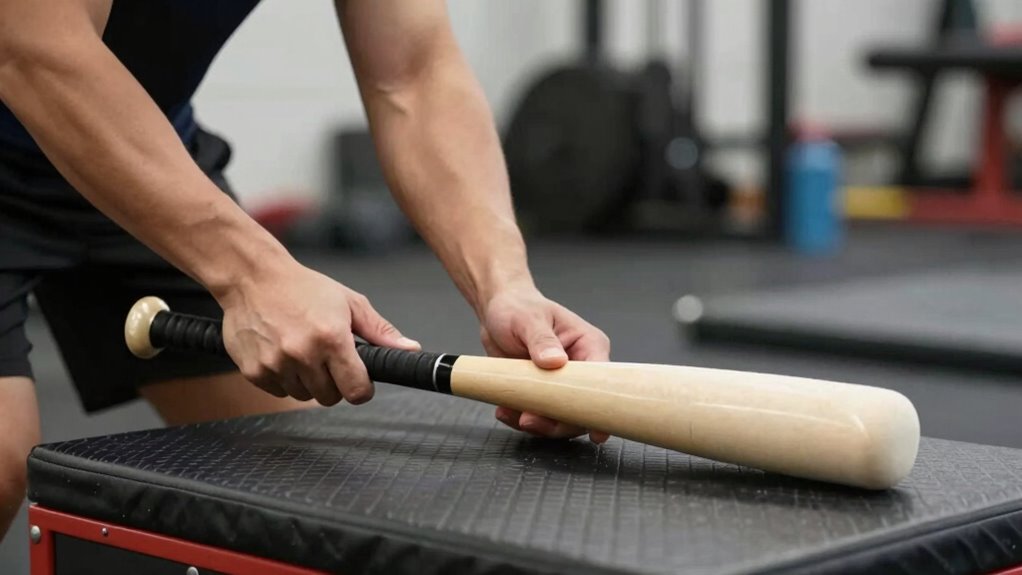
Are you wondering how to guarantee your bat training remains safe and effective? The key is understanding how bat weight and training intensity influence your progress. Using the right bat weight ensures you don’t overload or underload, which can hinder improvement or cause injury. Keep your training intensity manageable by gradually increasing bat weight and volume. Always listen to your body—if you feel excessive fatigue or discomfort, scale back. Proper warm-up and monitoring are essential. Remember, the goal is to improve timing, control, and strength without risking injury. Consistency and patience matter more than pushing too hard too fast. If you’re unsure about the right bat weight or training intensity, consult a coach or trainer to tailor a safe, effective plan.
Frequently Asked Questions
Can Overload/Underload Bat Training Improve My Swing Speed Quickly?
Yes, overload/underload bat training can quickly improve your bat speed if done correctly. By alternating heavier and lighter bats, you challenge your muscles and increase training effectiveness. This method helps you develop faster swing mechanics, leading to noticeable gains in bat speed in a short period. Just make certain you’re following safe, proven techniques to avoid injury and maximize results, making your training both efficient and effective.
Is It Safe for Young or Beginner Players to Use Overload/Underload Bats?
Using overload/underload bats is like walking a tightrope—you need to be careful. For young or beginner players, it’s vital to prioritize age appropriateness and beginner safety. These bats can be beneficial if used correctly, but supervision and proper technique are essential. Start with lighter loads and guarantee proper guidance to prevent injury. Always consult a coach to determine if overload/underload training suits your skill level and age.
How Often Should I Incorporate Overload/Underload Drills Into Practice?
You should incorporate overload/underload drills into your practice about 2-3 times a week, ensuring proper bat training frequency. This helps improve your swing speed and control while preventing injury. Avoid overdoing it, as excessive use can lead to strain or injury. Focus on gradual intensity increases and proper technique. Consistent, moderate use maximizes benefits and keeps you safe during training.
What Are the Signs of Injury From Improper Overload/Underload Training?
Like warning signs on a stormy sky, muscle strain and joint pain indicate injury risks from improper overload/underload training. If you notice persistent soreness, swelling, or limited movement, these are signals your body is crying out for help. Ignoring these signs can lead to more serious issues, so listen closely. Rest, evaluate your technique, and consult a professional before continuing to prevent long-term damage.
Do Professional Players Regularly Use Overload/Underload Bats?
Yes, professional players regularly incorporate overload and underload bats into their training routines. They understand the benefits of these tools for improving strength and swing mechanics. Typically, they use them a few times a week to avoid overtraining, ensuring proper training frequency. This consistent, strategic use helps enhance performance while minimizing injury risk, making overload/underload bat training an integral part of their skill development.
Conclusion
If you ignore these safety tips, you risk turning your training into a disaster worse than a hurricane in a teacup—injuries, setbacks, and frustration galore. But if you follow the proper techniques, you’ll be smashing home runs faster than lightning strikes! Stay vigilant, listen to your body, and practice smart. Your perfect swing is just a safe, smart training session away—don’t let careless mistakes turn your progress into a comedy of errors.
Halloween Picks
halloween
As an affiliate, we earn on qualifying purchases.