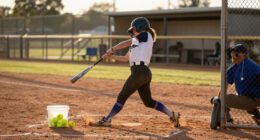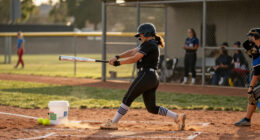
The right softball training equipment can turn a backyard, garage, or team practice into a productive session without needing a full field or a partner. After comparing seven popular options across hitting, fielding, and pitching, the PowerNet 7×7 Practice Net with Accessories stands out as the best overall pick for its all-in-one hitting and pitching setup, while the Tanner Tee Original is the standout premium choice for hitters who care about swing mechanics and contact quality. The main tradeoff in this category is between versatility and specialization: multi-use nets cover everything but do nothing perfectly, while dedicated tools like the SKLZ Softhands trainer or the Hurricane swing trainer sharpen one specific skill far faster. Budget matters too — the ZONLOLO and BAGAIL nets cost far less than the PowerNet, but give up accessory bundles and durability. Keep reading for the full breakdown, including who each piece of equipment is actually for.

Get sports gear delivered free with Prime
- Fast, free delivery on millions of items
- Prime Video, Amazon Music and more included
- Member-only deals all year
Complete the kit


Key Takeaways
- Net size was the biggest differentiator among the three practice nets: the 7×7 PowerNet and BAGAIL absorb full swings for older players, while smaller and cheaper nets force adjustments that can hurt swing mechanics.
- Accessories decided the value battle — the PowerNet bundle includes a strike zone target and tee attachments, which explains its higher price over the near-identical ZONLOLO and BAGAIL alternatives.
- Skill-specific trainers beat nets for fixing mechanics: the SKLZ Hurricane builds bat speed and contact without a ball, and the Softhands trainer corrects glove technique in ways no net can.
- The Tanner Tee justifies its premium price through its hand-rolled rubber top and weighted base — cheap tees wobble and deflect the ball, which trains bad contact habits.
- The GoSports Rebounder is the only option that returns the ball to you, making it the best solo fielding tool in the lineup — something none of the hitting-focused products address.
| GoSports Baseball & Softball Pitching and Fielding Rebounder |  | Best for Solo Fielding Work | Dimensions: 57 x 34 inches | Frame Material: Powder-coated steel | Included Accessories: 4 U stakes, strike zone attachment | VIEW LATEST PRICE | See Our Full Breakdown |
| SKLZ Softhands Baseball and Softball Fielding Trainer |  | Best Value Fundamentals Fixer | Training Focus: Soft receiving and two-hand fielding | Material: Lightweight foam | Hand Compatibility: Fits either hand | VIEW LATEST PRICE | See Our Full Breakdown |
| Tanner Tee The Original Batting Tee – Adjustable Pro Hitting Tee |  | Best Premium Hitting Tee | Height Range: 26-43 inches | Shaft: Steel | Base: Composite, weather-resistant, 9 inches | VIEW LATEST PRICE | See Our Full Breakdown |
| PowerNet 7×7 Baseball Softball Practice Net with Accessories |  | Best All-Around Training Net | Net Size: 7×7 ft | Hitting Surface: 49 sq ft | Frame Material: Steel and fiberglass | VIEW LATEST PRICE | See Our Full Breakdown |
| ZONLOLO 6x6ft Baseball & Softball Net for Hitting, Pitching, and Batting |  | Best Budget Net-and-Tee Bundle | Net Size: 6×6 ft | Frame Material: Heavy-duty steel | Included Accessories: Batting tee, sturdy base stand | VIEW LATEST PRICE | See Our Full Breakdown |
| SKLZ Hurricane Baseball and Softball Swing Trainer with Adjustable Power Bands |  | Best Solo Swing Station | Height Range: 23 to 38 inches | Weight: 37 lbs | Frame Material: Steel | VIEW LATEST PRICE | See Our Full Breakdown |
| BAGAIL 7×7 ft Baseball & Softball Training Net |  | Best Budget Bundle | Net Size: 7 x 7 ft | Materials: Polyester mesh, nylon, steel rods, fiberglass tubes | Included Accessories: Adjustable batting tees, strike zone targets, ground stakes, carry bag | VIEW LATEST PRICE | See Our Full Breakdown |
| softball training equipment | Frame Material | Included Accessories |
|---|---|---|
| GoSports Baseball & Softball P | Powder-coated steel | 4 U stakes, strike zone attachment |
| SKLZ Softhands Baseball and So | — | — |
| Tanner Tee The Original Battin | — | — |
| PowerNet 7×7 Baseball Softball | Steel and fiberglass | Ground stakes, carry bag, ball caddy, weighted baseballs |
| ZONLOLO 6x6ft Baseball & Softb | Heavy-duty steel | Batting tee, sturdy base stand |
| SKLZ Hurricane Baseball and So | Steel | — |
| BAGAIL 7×7 ft Baseball & Softb | — | Adjustable batting tees, strike zone targets, ground stakes, carry bag |
More Details on Our Top Picks
GoSports Baseball & Softball Pitching and Fielding Rebounder
Most softball training gear falls into two camps: hitting tools and throwing tools. This rebounder earns its spot by bridging both, letting a player practice grounders, line drives, and return throws without a partner. The included strike zone attachment also turns it into a pitching accuracy target, which is something the PowerNet 7×7 can’t replicate — that net swallows balls rather than returning them. Compared with the SKLZ Softhands, which only teaches receiving technique, this rebounder delivers actual ball flight simulation. The tradeoff is footprint and fuss: at 57 x 34 inches with a powder-coated steel frame, it demands real space, and some buyers report needing their own tools to finish assembly. The four U-stakes do keep it planted outdoors, though.
Pros:- Simulates ground balls and line drives for realistic solo fielding practice
- Strike zone attachment adds pitching accuracy training in one device
- Powder-coated steel frame with U-stakes stays stable outdoors
- Adjustable setup suits multiple skill levels and drills
Cons:- Assembly may require additional tools beyond what’s included
- 57 x 34 inch footprint is too large for tight practice spaces
Best for: Players who regularly train alone and need realistic ball return for fielding and throwing reps
Not ideal for: Anyone with a small backyard or no tools on hand, since the footprint is large and assembly isn’t always tool-free
- Dimensions:57 x 34 inches
- Frame Material:Powder-coated steel
- Included Accessories:4 U stakes, strike zone attachment
- Training Types:Throwing, pitching, fielding
- Ball Simulation:Ground balls and line drives
- Skill Levels:Beginner through advanced
Our verdict“Buy this if solo defensive reps are the gap in your training routine and you have the yard space to support it.”
SKLZ Softhands Baseball and Softball Fielding Trainer
This is the cheapest fix in the roundup for the most common fielding flaw: stabbing at the ball with one hand. The foam design forces a soft two-hand receiving motion, building muscle memory that translates directly to game plays. Where the GoSports Rebounder gives you volume reps, the Softhands gives you correct reps — it’s a technique corrector, not a ball-delivery machine. That distinction matters when choosing: a young infielder who already fields cleanly gets little from it, while one who drops transfers will improve fast. The honest limitation is that it’s a single-purpose tool with no published durability specs, and it can’t stand alone as a practice session the way a net-and-tee combo like the ZONLOLO 6×6 can. Think of it as a supplement, not a system.
Pros:- Directly corrects one-handed fielding mechanics at a very low price
- Lightweight foam fits either hand and any skill level
- Reinforces proper body positioning behind the ball
- Small enough to keep in a gear bag for pre-game warmups
Cons:- Single-purpose tool that can’t anchor a full practice session
- No published durability details, and foam may wear with heavy team use
Best for: Coaches and parents of young infielders who need an inexpensive way to correct one-handed fielding habits
Not ideal for: Advanced players with sound fundamentals, or anyone expecting a standalone training station
- Training Focus:Soft receiving and two-hand fielding
- Material:Lightweight foam
- Hand Compatibility:Fits either hand
- Skill Levels:All levels
- Sports:Baseball and softball
- Portability:Bag-sized, travel friendly
Our verdict“A cheap, targeted fix for two-hand fielding mechanics — worth it for developing players, skippable for polished ones.”
Tanner Tee The Original Batting Tee – Adjustable Pro Hitting Tee
If swing work is the priority, this is the tee worth paying up for. The hand-rolled rubber Flextop flexes on contact the way a real pitch would, giving honest feedback that cheap plastic tees can’t — a mishit here tells you something. Compare that to the batting tee bundled with the ZONLOLO 6×6 net: convenient to get in a package, but a basic tee that masks contact quality. The 26–43 inch height range covers youth softball through adult, and the steel shaft with composite base holds steady through thousands of swings. The tradeoffs are real, though: it costs noticeably more than budget tees, the base is heavier to haul than folding-rubber alternatives, and you still need a net or open field to hit into — it does nothing to contain balls the way the PowerNet 7×7 does.
Pros:- Patented Flextop delivers realistic ball flight and honest contact feedback
- 26-43 inch height range fits youth through adult players
- Steel shaft and weather-resistant composite base built for long-term use
- Trusted standard from youth leagues to professional levels
Cons:- Meaningfully pricier than plastic and bundled tees
- Heavier and less compact than folding tees for frequent transport
- Requires a separate net or open space to actually take full swings
Best for: Serious hitters and travel-ball families who want professional-grade contact feedback and years of durability
Not ideal for: Casual backyard hitters or buyers on a tight budget who’d be better served by a bundled net-and-tee package
- Height Range:26-43 inches
- Shaft:Steel
- Base:Composite, weather-resistant, 9 inches
- Top:Hand-rolled rubber Flextop
- Sports:Baseball and softball
- Age Range:Youth through adult/pro
Our verdict“The tee to buy once if hitting is your player’s main focus — skip it if you just need something cheap to swing at.”
PowerNet 7×7 Baseball Softball Practice Net with Accessories
For most families building a backyard practice setup, this is where I’d start. The 7×7 footprint with 49 square feet of hitting surface gives beginners a forgiving target, and the included ball caddy and weighted balls mean you’re practicing within minutes of unboxing — a more complete package than the ZONLOLO 6×6, which trades an extra foot of net for a strike zone attachment. Setup genuinely takes under two minutes, which matters more than buyers expect: gear that’s hard to deploy stops getting used. The steel-and-fiberglass frame absorbs hard hits from stronger players without tipping. Compared with the BAGAIL 7×7, the accessory bundle here is the differentiator. Drawbacks: the net needs extra anchoring in wind, and committed hitters will eventually outgrow the bundled tee and want something like the Tanner Tee.
Pros:- Sets up in under two minutes, so it actually gets used regularly
- 49 sq ft hitting surface is forgiving for developing players
- Includes ball caddy and weighted training balls for immediate sessions
- Steel and fiberglass frame withstands repeated hard contact
Cons:- Needs additional anchoring to stay put in windy outdoor conditions
- 7×7 ft size limits advanced multi-drill or team-station use
Best for: Families and coaches who want one do-everything backyard station for hitting, pitching, and soft-toss work
Not ideal for: Players in very windy areas without space to stake down a net, or anyone needing a large multi-station training area
- Net Size:7×7 ft
- Hitting Surface:49 sq ft
- Frame Material:Steel and fiberglass
- Setup Time:Under 2 minutes
- Included Accessories:Ground stakes, carry bag, ball caddy, weighted baseballs
- Training Types:Hitting, pitching, fielding
Our verdict“The best single purchase for a household practice setup — buy this first and upgrade the tee later if your player gets serious.”
ZONLOLO 6x6ft Baseball & Softball Net for Hitting, Pitching, and Batting
This pick makes the most sense for buyers who want a complete practice station at the lowest possible price. Unlike buying a Tanner Tee separately, the included tee here means one purchase covers hitting and pitching drills, and the adjustable strike zone target is something even the pricier PowerNet 7×7 doesn’t include — a genuine plus for pitchers working location. Tool-free setup and carry handles make it realistic for a kid to manage alone. The compromises are what you’d expect at this price: the 6×6 frame is a foot narrower than the PowerNet, so mishits from younger or inconsistent hitters miss the net more often, and the heavy-duty steel that makes it sturdy also makes it less pleasant to move weekly. Deep netting does a solid job containing balls once they’re in.
Pros:- Adjustable strike zone target enables precise pitch-location training
- Includes a batting tee, making it a complete station out of the box
- Tool-free quick setup a single player can handle
- Heavy-duty steel frame with deep netting contains hard hits
Cons:- 6×6 ft surface means more mishits sail past the net than on 7×7 models
- Sturdy steel frame is heavy to move between locations regularly
Best for: Budget-conscious families who want hitting and pitch-location drills covered in one affordable package
Not ideal for: Buyers who transport their net frequently, or younger hitters who need the bigger 7×7 target area
- Net Size:6×6 ft
- Frame Material:Heavy-duty steel
- Included Accessories:Batting tee, sturdy base stand
- Key Feature:Adjustable strike zone
- Setup:Tool-free with carry handles
- Training Types:Hitting, pitching, batting practice
Our verdict“The smartest cheap entry point into home practice — just know you’re trading target size and tee quality for the bundle price.”
SKLZ Hurricane Baseball and Softball Swing Trainer with Adjustable Power Bands
Most options in this roundup are nets or tees that need a bucket of balls and someone to feed them. The Hurricane Swing Trainer solves that differently: the ball snaps back after every swing, so a player can get hundreds of reps alone without chasing a thing. Compared with the Tanner Tee, which is the better tool for dialing in precise contact points, the Hurricane trades tee-style precision for pure volume and immediate feedback on swing path and power. The adjustable height range means siblings of different ages can share it, and the anti-dent head holds up to daily tee work and full-speed hacks. The tradeoff is real, though: at 37 pounds with screw-in legs, it’s the least convenient item here to move, and setup takes longer than the BAGAIL net’s two-minute fold-out.
Pros:- Self-returning ball enables unlimited solo reps with no ball pickup
- Adjustable height from 23 to 38 inches suits multiple ages and pitch zones
- Anti-dent head survives daily full-speed contact
- Metal stakes keep it stable on grass, dirt, or turf
Cons:- At 37 lbs, it’s heavy to carry despite the included bag
- Screw-in base legs make setup slower than pop-up net alternatives
Best for: Players who practice alone and want high-rep swing training without a parent or teammate pitching
Not ideal for: Families who need to move gear between the car and the field frequently — the 37-pound frame and screw-in legs make it a pain to relocate
- Height Range:23 to 38 inches
- Weight:37 lbs
- Frame Material:Steel
- Base Legs:Screw-in design for multi-surface stability
- Power Bands:Adjustable resistance
- Included:Carry bag, metal stakes
- Skill Focus:Swing mechanics, power, contact
Our verdict“Buy this if your player needs to log serious solo swing reps in the backyard; skip it if you want something that lives in the trunk and pops up in two minutes.”
BAGAIL 7×7 ft Baseball & Softball Training Net
If you want a complete hitting station for under typical single-item pricing, this is the value play of the roundup. Where the PowerNet 7×7 is the more established name with a loyal following, the BAGAIL kit matches the same 7×7 footprint and adds adjustable batting tees and strike zone targets in the box — gear that would otherwise be bought separately. Setup is genuinely tool-free and quick, which gives it a practical edge over the heavier SKLZ Hurricane for families carting equipment to practices. The polyester mesh, steel rods, and fiberglass supports handle normal batting and throwing work fine, though the frame doesn’t feel as bombproof as premium nets, and windy days demand extra anchoring beyond the included stakes. It’s also strictly a training tool — no competitive use — so keep expectations aligned with the price.
Pros:- Complete bundle includes adjustable tees and strike zone targets, not just a net
- Tool-free setup in roughly two minutes
- 7×7 footprint is large enough for full swings, pitching, and soft toss
- Works indoors and outdoors with a carry bag for transport
Cons:- Needs extra anchoring in windy conditions beyond included stakes
- Lighter-duty construction than premium brands means a shorter lifespan under heavy team use
Best for: Budget-conscious parents building a backyard practice setup who want net, tee, and targets in one purchase
Not ideal for: Coaches or travel-ball programs needing a heavy-duty daily-use net — the frame is lighter-duty than premium options like the PowerNet
- Net Size:7 x 7 ft
- Materials:Polyester mesh, nylon, steel rods, fiberglass tubes
- Included Accessories:Adjustable batting tees, strike zone targets, ground stakes, carry bag
- Setup Time:About 2 minutes, no tools required
- Use Environment:Indoor and outdoor
- Compatible Sports:Baseball, softball, cricket, hockey
- Intended Use:Training only, not competitive play
Our verdict“The smart pick for families who want an all-in-one practice station at a low price, as long as backyard use — not team practice — is the mission.”

How We Picked
I evaluated each product through a single lens: how much real practice time it enables per dollar. That meant looking at whether the equipment works for solo training or demands a partner, whether it holds up to repeated daily use, and how well it fits different age groups — a 10U player and a high school varsity athlete stress gear very differently. Build quality was weighted heavily; a net that frays after one season or a tee that tips on every swing costs more in replacements than a better unit costs upfront.
From there, I ranked products by skill coverage and buyer fit rather than raw quality alone. A multi-use net with a strike zone attachment serves more players than a single-purpose trainer, which put the PowerNet at the top. Specialized tools like the Hurricane and Softhands trainer ranked high within their niches because they solve specific mechanical problems faster than general equipment. Budget options stayed on the list only where they delivered acceptable durability — otherwise a cheap net is a false economy.
| softball training equipment | Frame Material |
|---|---|
| GoSports Baseball & Softball P | Powder-coated steel |
| SKLZ Softhands Baseball and So | — |
| Tanner Tee The Original Battin | — |
| PowerNet 7×7 Baseball Softball | Steel and fiberglass |
| ZONLOLO 6x6ft Baseball & Softb | Heavy-duty steel |
| SKLZ Hurricane Baseball and So | Steel |
| BAGAIL 7×7 ft Baseball & Softb | — |
Factors to Consider When Choosing Softball Training Equipment
Before picking any single piece of softball training equipment, it helps to understand what actually drives value in this category. These are the factors that separate a smart purchase from gear that collects dust in the garage.
Solo Training vs. Partner-Dependent Gear
The most common buying mistake is grabbing equipment that still requires someone to feed balls or shag hits. If you’re a parent buying for a player who trains alone, self-contained gear — a net with a tee, a rebounder, or a swing trainer — delivers far more reps per week. Rebounders and solo swing trainers score highest here because the ball comes back to you or isn’t needed at all. Partner-dependent setups only make sense for coaches or families who practice together regularly. Ask honestly how the equipment will get used on a random Tuesday evening before you buy.
Player Age and Strength
Age changes everything about sizing and durability needs. Younger players under 12 can get by with lighter, cheaper nets and shorter tees, and they simply won’t generate the bat speed to destroy budget gear. Once a player hits 14U and above, swing force rises sharply — cheap net framing bends, tee bases crack, and thin netting tears. This is where paying more upfront stops being optional. Buying heavy-duty gear for a young player is also a mistake, since bulky setups are harder for kids to move and set up, which reduces how often they actually use it.
One Skill vs. Multi-Skill Coverage
Multi-use nets feel like the safe buy, but they force a compromise on every skill. A net handles soft toss, tee work, and pitching practice adequately without excelling at any one. Specialized trainers — a fielding rebounder, a swing trainer with resistance bands, a proper hitting tee — accelerate development in their single discipline much faster because they’re built around repetition of one movement pattern. The right answer depends on the player’s weakest skill. A hitter struggling with contact needs tee-focused gear; a player booting ground balls needs a rebounder. Diagnose the weakness before shopping, not after.
Portability and Storage
Setup friction is the silent killer of training equipment. If a net takes ten minutes and two people to assemble, it gets used a fraction as often as one that pops open in seconds. Fold-down designs and carry bags matter more than buyers expect — especially for families transporting gear between the backyard, the park, and team practice. Weight cuts both ways: heavier frames survive weather and hard swings better, but lighter frames get used more. Match the portability to where the equipment will live; a permanent backyard setup can afford to be heavy, while a shared-family vehicle setup cannot.
Accessories: Value Multiplier or Filler?
Many nets ship bundled with strike zone targets, tees, weighted balls, or carry bags. Some of these genuinely change the training value — a strike zone attachment turns hitting practice into pitch-recognition work, and a bundled tee eliminates a separate purchase. Others are low-quality padding that inflates the price. Judge each bundle by whether you’d buy the accessory separately. A mid-priced net with a useful accessory kit often beats a cheaper bare net once you total the cost of buying those pieces on their own. Skip bundles whose extras duplicate gear the player already owns.
When to Pay More: The Durability Threshold
There’s a real quality cliff in this category, and it sits roughly between budget and mid-tier pricing. Below it, netting frays at the seams, tee tops crack, and frames bend within a season of regular use. Above it, steel framing, reinforced netting, and replaceable parts extend lifespan to multiple years. The mistake buyers make is assuming all price differences are brand markup. Paying roughly 30-50% more for the durability tier usually halves cost per season for any player who trains weekly. Only go budget when the player is young, casual, or the equipment will see occasional use.
Frequently Asked Questions
Should I buy a practice net or a hitting tee first?
It depends on the player’s biggest weakness, but for most developing hitters a tee delivers more mechanical value per dollar. A tee forces focus on contact point, swing plane, and barrel accuracy — the foundation everything else builds on — and even elite players still do daily tee work. A net, on the other hand, enables volume: soft toss, front toss, and full swings without chasing balls, which matters once mechanics are serviceable. If the budget covers only one item and the player is under 14, start with the tee and add the net later. If the player already hits cleanly and needs reps, the net becomes the priority, especially since some net bundles include a basic tee anyway.
Are the cheaper 7×7 nets like BAGAIL and ZONLOLO a real alternative to the PowerNet?
For light to moderate use, yes — the frame dimensions and netting are similar enough that a younger or casual player won’t notice a difference. The gap shows up in two places: accessory bundles and long-term durability. The PowerNet typically includes a strike zone target and sometimes a travel tee, which are genuinely useful additions you’d otherwise buy separately, and its framing tends to hold up better against daily high-school-level swings. If you’re buying for a 10U or 12U player who practices a few times a week, the cheaper nets are a legitimate value play. For a serious travel-ball or varsity player training year-round, the extra cost of the PowerNet usually pays for itself in lifespan and included gear.
Is a swing trainer like the SKLZ Hurricane a substitute for hitting off a tee or net?
No, and it shouldn’t be bought as one. The Hurricane’s real strength is building bat speed, hand path, and repeatable contact mechanics without needing balls, a net, or space — which makes it uniquely suited to indoor and garage training. What it can’t do is train pitch recognition, timing against live arm speed, or contact on a moving ball. The ideal setup pairs it with a tee or net rather than replacing them. If you can only afford one item and the player needs swing mechanics work above all, the Hurricane is a defensible first buy — but a balanced training plan eventually needs both static and dynamic hitting work.
What equipment actually helps a player who keeps bobbling ground balls?
The GoSports Rebounder is the most direct fix, because it returns grounders and fly balls at repeatable angles so a player can log hundreds of fielding reps alone. The SKLZ Softhands trainer attacks the same problem from the mechanics side — it trains proper two-hand fielding technique and soft receiving, which is usually the root cause of bobbled balls. Used together they’re more effective than either alone: the Softhands trainer builds the correct movement, and the rebounder provides the volume to make it automatic. A hitting net does nothing for this problem, which is why position players should think carefully before defaulting to net-based purchases.
How much should I spend on a batting tee — is the Tanner Tee worth the premium price?
The Tanner Tee earns its price for players who hit off a tee several times a week, primarily through two features: the hand-rolled rubber top flexes on contact instead of deflecting the ball, and the weighted composite base stays planted on aggressive swings. Cheap tees wobble, tip, and produce inconsistent ball placement, which quietly trains bad contact habits the player then has to unlearn. For a recreational player doing occasional tee work, a budget tee is perfectly serviceable. For a dedicated hitter building daily reps — especially one working with a coach on specific mechanics — the consistent ball height and stability of the premium tee directly improve practice quality. Treat it as a multi-year investment for serious players and skip it for casual ones.
Conclusion
The right choice here comes down to the player, not the product specs. For the best overall pick, the PowerNet 7×7 with Accessories covers hitting, pitching, and tee work in one durable package, which is why it leads this lineup. The best value goes to the ZONLOLO 6×6 or BAGAIL 7×7 — either one gives younger or casual players a functional net at a fraction of the price, accepting shorter lifespan as the tradeoff. On the premium end, the Tanner Tee Original is the buy for serious hitters who will notice the difference in ball placement and stability hundreds of swings at a time. For beginners, the SKLZ Hurricane is the gentlest entry point — no balls to chase, no net to assemble, just swing mechanics work in the garage. Players with a specific skill gap should buy for the fix: the GoSports Rebounder for fielding reps, the SKLZ Softhands trainer for glove technique, and the PowerNet bundle for all-around development. Whatever you choose, match the gear to how often it will actually get used — that single question predicts satisfaction better than any spec sheet.