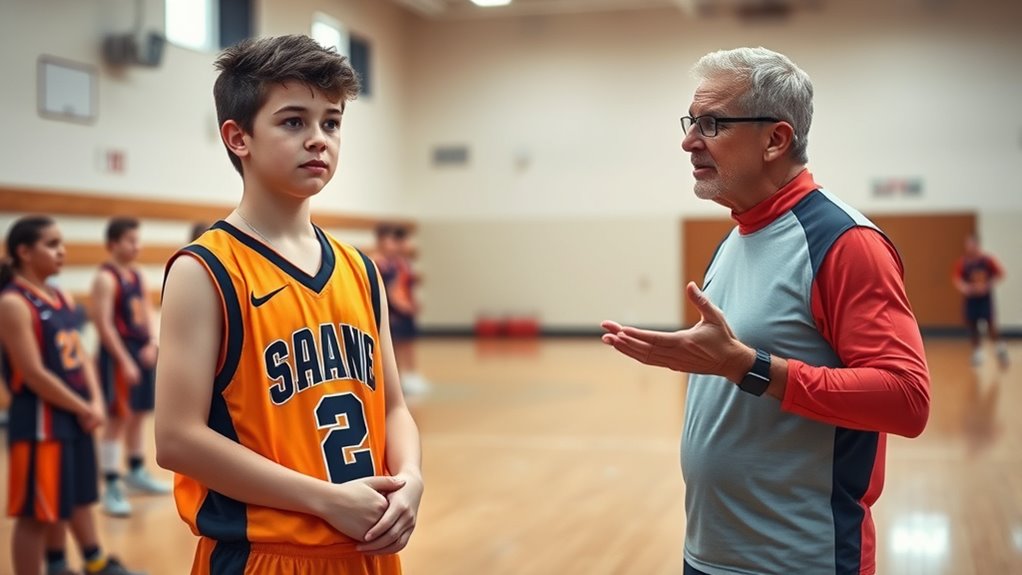

To communicate with your coach about playing time respectfully, find calm moments to express your desire to contribute more and ask for constructive feedback. Approach the conversation with respect, demonstrating your commitment and willingness to improve. Stay positive and patient, understanding that coaches consider many factors in their decisions. Maintaining emotional control and showing dedication can foster trust and open dialogue. Keep exploring for more ways to navigate these conversations effectively.
Get ready for Prime Big Deal Days — try Prime free
Exclusive member deals on October 6–7, plus fast free delivery. Cancel anytime.
As an affiliate, we earn on qualifying purchases.
Key Takeaways
- Choose calm, appropriate moments to discuss playing time with your coach respectfully.
- Express your desire to contribute more and ask for constructive feedback.
- Focus on maintaining emotional control and a positive attitude during conversations.
- Understand that coaching decisions are based on team strategy and player performance.
- Demonstrate dedication and resilience through consistent effort and team support.

When it comes to sports, managing playing time can be one of the most challenging aspects for athletes and coaches alike. You might feel frustrated or overlooked if you’re not seeing as much action as you’d like, but understanding how to approach this situation with respect and maturity can make a significant difference. Your team’s success depends on more than just individual talent; it hinges on team dedication and mental resilience. Recognizing this helps you stay focused on your growth and maintain a positive attitude, even when your playing time isn’t what you hoped for.
Open communication is key. Instead of bottling up your feelings or becoming confrontational, find a calm moment to talk with your coach. Express your desire to contribute more and ask for feedback on how you can improve. When you approach the conversation with respect, it shows that you’re committed to the team’s goals, not just your personal desires. Remember, coaches appreciate athletes who are proactive and willing to work on their weaknesses. By showing genuine dedication and a willingness to learn, you reinforce your role as a team player, which can sometimes influence future playing time decisions.
Communicate calmly with your coach, show respect, and express your desire to improve and contribute more.
While discussing your concerns, it’s essential to keep your emotions in check. Don’t let disappointment turn into frustration or resentment. Instead, focus on your mental resilience—your ability to stay positive and motivated despite setbacks. This mindset not only helps you handle playing time issues more gracefully but also demonstrates your commitment to the team’s success. Coaches notice athletes who remain dedicated and resilient, and these qualities often lead to more opportunities down the line. Keep training hard, stay committed during practices, and show that your focus extends beyond just the game to the overall team effort.
Additionally, understanding that coaching decisions are often complex can help you accept your current role more easily. Coaches consider various factors like team strategy, player skills, and even practice performance when assigning playing time. Respectful dialogue about your aspirations, combined with a strong work ethic, can open doors for increased opportunities in the future. Keep in mind that your attitude influences teammates and coaches alike; demonstrating patience and team dedication can inspire others and strengthen your overall standing on the team.
Building mental resilience is especially important because portable camping toilets are among the many tools that help athletes maintain focus and comfort during extended outdoor activities, highlighting the importance of adaptability and preparedness in all aspects of life. Ultimately, handling playing time with maturity, respect, and resilience reflects your character more than any scoreboard. It’s about trusting the process, improving continuously, and supporting your teammates. By doing so, you contribute to a positive team environment and position yourself for growth, both as an athlete and as a person.
athletic performance training gloves
As an affiliate, we earn on qualifying purchases.
As an affiliate, we earn on qualifying purchases.
Frequently Asked Questions
How Can I Approach My Coach About Playing Time Without Causing Conflict?
You should approach your coach with a focus on team communication and respectful dialogue. Schedule a calm, private moment to express your feelings, asking about ways to improve your skills and contribute more. Listen carefully to their feedback, stay positive, and show you’re committed to the team’s success. Keep the conversation constructive, avoid blame, and demonstrate your dedication—this approach helps prevent conflict and shows maturity.
What Should I Do if I Feel Unfairly Overlooked for Playing Opportunities?
If you feel unfairly overlooked, start by talking openly with your coach, focusing on team communication. Express your feelings respectfully and ask for feedback on how to improve. Use this conversation to set clear goals for your development and ask what steps you can take to earn more playing time. Staying positive and proactive shows your commitment, helping you grow and demonstrating your dedication to the team.
How Do I Handle Disappointment When I Don’t Get as Much Playing Time as Teammates?
Did you know players who stay positive and focused perform better? When you face disappointment over less playing time, it’s key to maintain team communication and confidence building. Acknowledge your feelings, then talk openly with your coach to understand your role and areas for improvement. Keep working hard, stay supportive of teammates, and trust that your effort will pay off. Your dedication can turn setbacks into growth opportunities.
Is It Appropriate to Ask My Coach for Specific Feedback on My Performance?
Yes, it’s appropriate to ask your coach for specific feedback on your performance. You show maturity by seeking ways to improve and set clear goals for yourself. When you ask, focus on understanding areas for performance improvement and discuss how you can work toward your goals. This proactive approach demonstrates your commitment to growth and helps you develop skills that could lead to more playing time in the future.
How Can I Stay Motivated Despite Limited Playing Opportunities?
To stay motivated despite limited playing opportunities, focus on team building and personal growth. Set small, achievable goals to improve your skills and stay engaged. Remember, mental resilience is key—use setbacks as motivation to work harder. Support your teammates and celebrate their successes, which can boost your morale. Maintaining a positive attitude helps you stay focused, grow stronger, and be ready when your chance comes.
sports coaching communication books
As an affiliate, we earn on qualifying purchases.
As an affiliate, we earn on qualifying purchases.
Conclusion
Remember, talking to your coach is like tending a garden—you need patience, respect, and open communication. When I once voiced my concerns calmly, my coach appreciated my honesty, and my playing time gradually improved. Just like a garden needs nurturing, your relationship with your coach grows stronger with understanding. Keep the dialogue respectful and proactive, and you’ll help your skills—and your relationship—thrive. Respectful communication can turn a dry patch into a flourishing season.
As an affiliate, we earn on qualifying purchases.
sports motivation and resilience books
As an affiliate, we earn on qualifying purchases.
As an affiliate, we earn on qualifying purchases.
NFL season / tailgating Picks
team gear
As an affiliate, we earn on qualifying purchases.