
To stay safe in softball, make sure you wear well-fitting protective gear like helmets, gloves, and pads, and check them regularly for damage. Always warm up properly to prevent strains and stay alert to avoid collisions. Using correct techniques and communicating clearly with teammates can reduce risks. Wearing sturdy cleats and staying hydrated also help prevent accidents. Keep these safety measures in mind — if you continue, you’ll find even more ways to enjoy the game safely.
Key Takeaways
- Regularly inspect and replace damaged protective gear, such as helmets and gloves, to prevent injuries.
- Ensure protective equipment fits snugly to provide proper safety and confidence during play.
- Wear appropriate gear like helmets, face masks, and pads to minimize impact injuries.
- Use proper techniques and clear communication to avoid collisions and falls on the field.
- Follow safety protocols, stay hydrated, and maintain equipment to reduce common risks during softball.
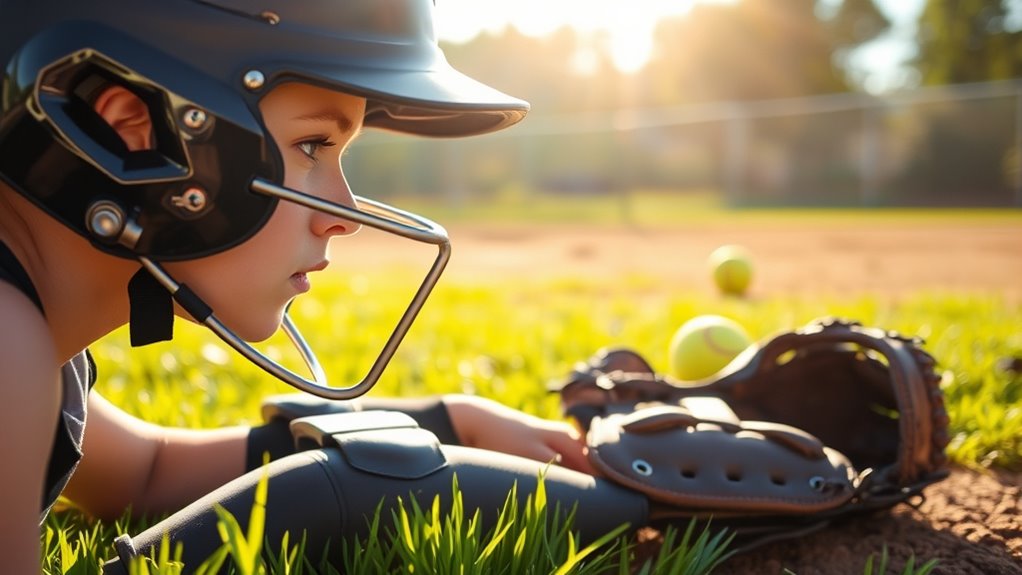
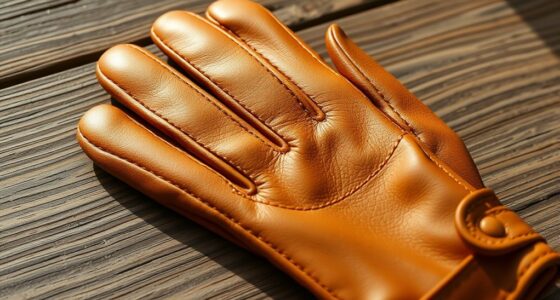
Playing softball can be an exciting and enjoyable activity, but safety should always come first. When you’re on the field, taking steps to prevent injuries is essential. Injury prevention involves more than just wearing the right gear; it also means staying aware of your surroundings and practicing good techniques. One of the best ways to minimize risks is through proper equipment maintenance. Regularly inspecting your gloves, bats, helmets, and other gear ensures they’re in top condition, reducing the chance of equipment failure during play. Worn-out or damaged equipment can lead to serious injuries, so make it a habit to check your gear before every game or practice.
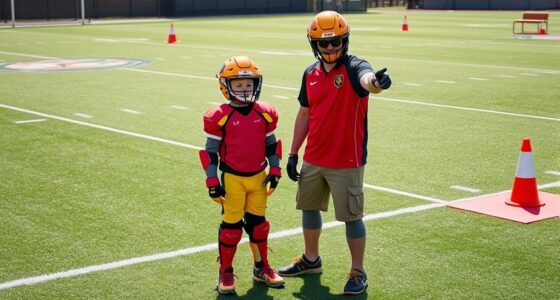
Proper equipment maintenance also extends to ensuring your protective gear fits correctly. A helmet that’s too loose may not provide adequate protection, while one that’s too tight can be uncomfortable and distracting. Replace any gear that shows signs of excessive wear, such as cracks, frayed straps, or broken fasteners. Not only does well-maintained equipment prevent injuries, but it also boosts your confidence, allowing you to focus on the game rather than worrying about safety hazards.
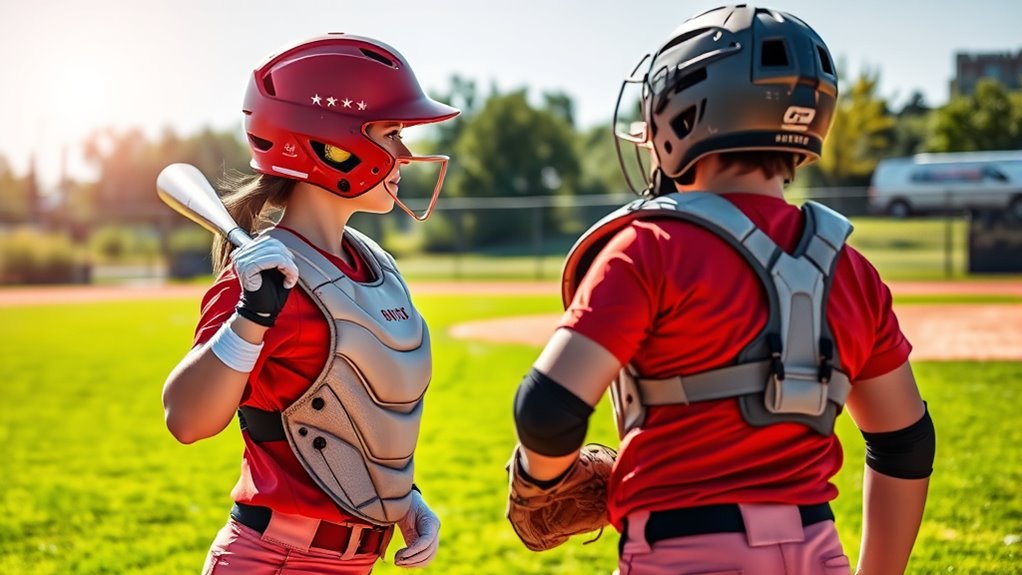
Ensuring your protective gear fits properly boosts safety and confidence on the softball field.
Injury prevention goes beyond equipment care. Warm-up routines are essential to prepare your muscles and joints for the physical demands of softball. Spend a few minutes stretching your arms, legs, and back to increase flexibility and blood flow. This reduces the risk of strains, pulls, and other soft tissue injuries. Pay attention to your body during play—if you feel pain or discomfort, don’t ignore it. Pushing through pain can worsen injuries and sideline you for longer periods.
Another key aspect of injury prevention is learning and practicing proper techniques. For example, when batting, keep your eyes on the ball and use correct swing mechanics to avoid strains or accidents. When fielding, use your glove and body positioning correctly to catch and throw safely. Communicate clearly with teammates to avoid collisions, especially when chasing after a ball or running bases. Staying aware and alert helps you react quickly to unexpected situations, reducing the chances of collisions or falls.
Hydration and proper footwear also play roles in injury prevention. Wearing cleats with good grip helps prevent slips and falls, while staying hydrated maintains your stamina and focus throughout the game. Remember, safety isn’t just about avoiding injuries—it’s about creating an environment where everyone can enjoy the game while minimizing risks. Regularly reviewing safety protocols, maintaining your equipment, and practicing good techniques are key steps to guarantee that your softball experience remains fun and safe. Additionally, understanding protective equipment and its proper use can greatly enhance safety on the field.
softball protective helmet with face mask
As an affiliate, we earn on qualifying purchases.
As an affiliate, we earn on qualifying purchases.
Frequently Asked Questions
How Often Should Softball Protective Gear Be Replaced?
You should replace your softball protective gear every 1 to 2 years, or sooner if you notice signs of wear and tear. Regular gear maintenance, like cleaning and inspecting for cracks or damage, helps prevent injuries. Keep in mind that worn-out equipment diminishes injury prevention, so stay proactive. By replacing your gear timely, you ensure maximum protection during games and practices, keeping you safe and confident on the field.
Are There Specific Safety Guidelines for Young Softball Players?
You should follow specific safety guidelines for young softball players to guarantee injury prevention. For example, always check that protective gear is well-maintained and fits properly before each game. Emphasize proper technique, supervision, and warm-ups to minimize risks. Regularly inspect gear for damage and replace worn equipment promptly. These injury prevention strategies help keep young athletes safe, confident, and ready to enjoy the game while reducing the likelihood of injuries.
What Should I Do if I Get Hit While Wearing Gear?
If you get hit while wearing gear, stay calm and assess your injury. Perform a quick injury response by checking for pain, swelling, or bruising. Remove and inspect your gear to verify it’s intact and properly positioned. If you’re hurt, seek medical attention immediately. Also, regularly maintain your gear, cleaning and replacing damaged items, to keep it effective and safe, reducing your risk of further injuries.
Can Protective Equipment Prevent All Softball Injuries?
Protective gear critically reduces softball injuries, but it can’t prevent all. While gear like helmets, shin guards, and gloves are essential for softball injury prevention, limitations exist—no equipment shields every part of your body or stops unpredictable impacts. You should always prioritize proper technique and awareness on the field. Combining protective gear with good practices gives you the best chance of staying safe, but understanding its limitations is equally important.
How Do I Choose the Right Size of Protective Gear?
To choose the right size of protective gear, you need to guarantee proper fit and consider material durability. Measure your body accurately and refer to sizing charts to find gear that snugly fits without restricting movement. Proper fit is key to safety and comfort, while durable materials ensure long-lasting protection. Always try on gear before buying and check for adjustable straps to customize the fit as needed.
softball gloves for adults
As an affiliate, we earn on qualifying purchases.
As an affiliate, we earn on qualifying purchases.
Conclusion
Protecting yourself on the field is like shielding the crown of a king—you hold the power to prevent injury and keep the game alive. By wearing proper protective gear and staying alert, you honor the spirit of the game and ensure every play is safe and fun. Remember, the real victory lies in playing smart and safeguarding your passion. Stay alert, stay protected, and keep the game going strong—because your safety is the greatest win.
softball batting helmet with face guard
As an affiliate, we earn on qualifying purchases.
As an affiliate, we earn on qualifying purchases.
softball fielding pads
As an affiliate, we earn on qualifying purchases.
As an affiliate, we earn on qualifying purchases.