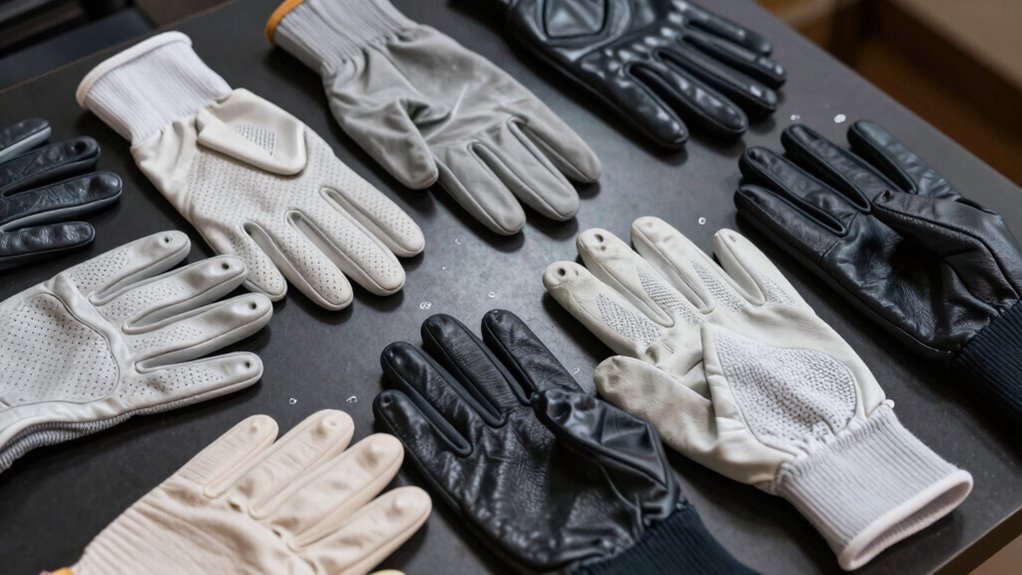

To find the right glove size for your position, consider the typical glove lengths: 11–11.75 inches for pitchers, 11.5–12 inches for infield, and 12.5–13 inches for outfield. Measure your hand properly and consult size charts, paying attention to material and fit preferences. Avoid common mistakes like ignoring material behavior or not maintaining gloves. Keep these tips in mind, and you’ll be ready to choose the perfect glove—more details await as you explore further.

Get sports gear delivered free with Prime
- Fast, free delivery on millions of items
- Prime Video, Amazon Music and more included
- Member-only deals all year
Key Takeaways
- Infield gloves typically measure 11-12 inches, with 11.5 inches being ideal for quick transfers and control.
- Outfield gloves are larger, usually 12.5-13 inches, to enhance reach and catch fly balls effectively.
- Pitchers prefer smaller gloves around 11-11.75 inches for better concealment and control during pitching.
- Choose glove material based on position: leather for durability, synthetic for quick break-in, neoprene for water, and mesh for ventilation.
- Proper fit ensures optimal performance; measure your hand accurately and select a size that allows flexibility without being too loose or tight.
As an affiliate, we earn on qualifying purchases.
How to Pick the Right Glove Size for Your Position
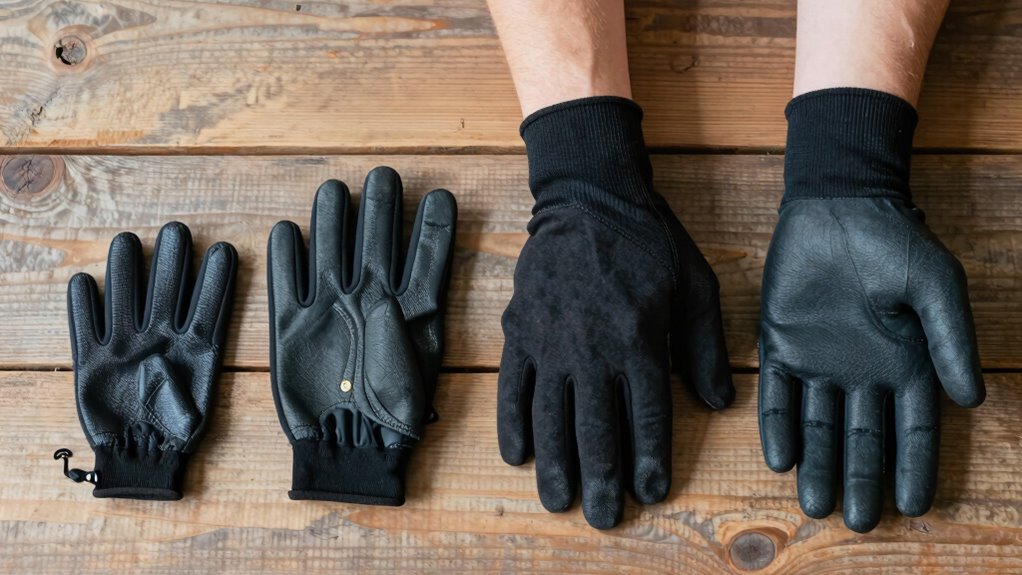
Choosing the right glove size depends on your playing position because different roles require varying levels of dexterity and protection. For positions demanding quick reactions, like infielders or outfielders, prioritize glove durability to withstand frequent catches. Consider brand preferences, as some brands offer more durable materials or tailored fits that enhance performance. For example, certain brands are known for their reinforced palm areas or high-quality leather, which can extend your glove’s lifespan. If you play a position requiring more finesse, like a catcher or first baseman, you might opt for a glove that balances durability with flexibility. Always check reviews and brand reputations to guarantee your choice aligns with your needs, helping you find a glove that fits well and lasts through intense gameplay. Material quality is also a key factor in ensuring your glove remains reliable over time. Additionally, understanding position-specific requirements can guide you toward the best glove features for your game style. Incorporating proper fit techniques can further improve your performance and comfort during play, and paying attention to fit measurements can help prevent discomfort and improve overall effectiveness.
infield baseball glove 11.5 inch
As an affiliate, we earn on qualifying purchases.
As an affiliate, we earn on qualifying purchases.
Reading Glove Sizing Charts Made Easy
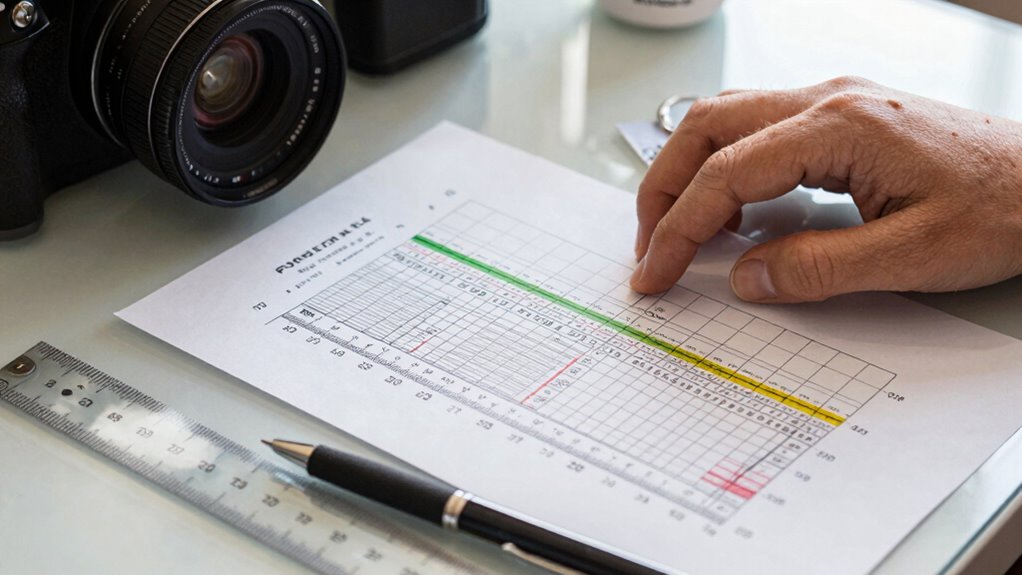
Understanding how to read glove sizing charts simplifies finding the perfect fit for your position. These charts often include measurements based on glove materials like leather, latex, or synthetic fabrics, which can affect sizing accuracy. Pay attention to the sizing scale, whether numeric or letter-based, and note any notes about stretch or fit related to specific materials. For example, some materials may feel tighter or looser, impacting sizing accuracy. Always compare your hand measurements to the chart, considering the glove material’s properties. Clear, detailed charts help you select the right size without guesswork. Accurate sizing information is essential for choosing gloves that fit well and perform optimally. By understanding how to interpret these charts, you guarantee your gloves fit well, providing comfort and ideal performance tailored to your specific position.
outfield baseball glove 12.75 inch
As an affiliate, we earn on qualifying purchases.
As an affiliate, we earn on qualifying purchases.
How to Measure Your Hand for a Perfect Fit
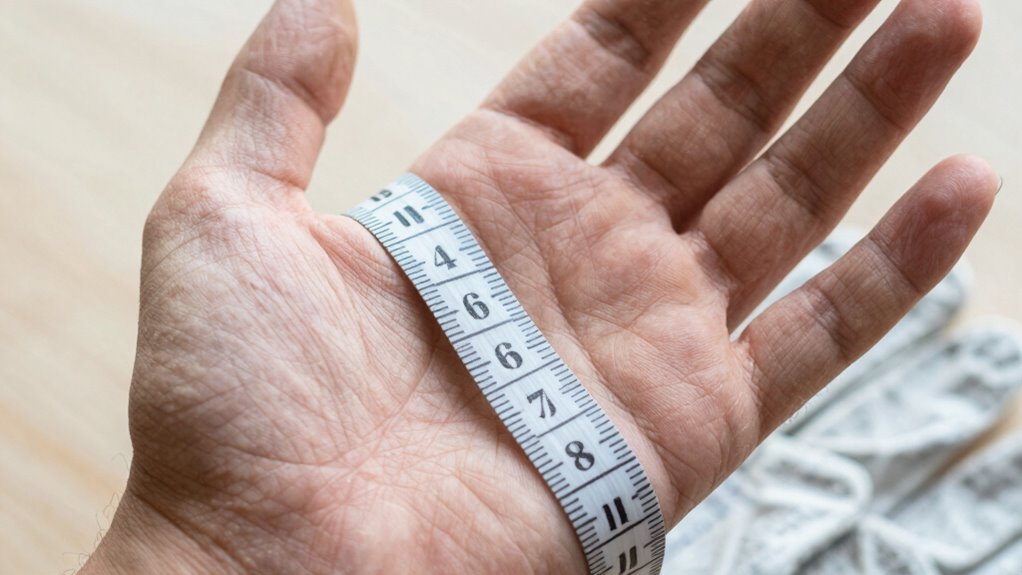
To guarantee your gloves fit perfectly, start by accurately measuring your hand. Begin with a flexible measuring tape and wrap it around the widest part of your hand, just below the knuckles, excluding the thumb. Make sure the tape is snug but not tight, allowing for comfort and movement. Record the measurement in inches or centimeters. For the best glove fit, measure both hands and use the larger of the two. Keep your hand relaxed during measurement to avoid overstating your size. This precise hand measurement will guide you in selecting gloves that offer ideal dexterity and comfort. Proper sizing ensures your gloves perform well on the field and reduce the risk of discomfort or injury. Accurate hand measurement is key to finding a glove that fits like a second skin. Understanding glove sizing standards can further help you choose the right fit for your needs, especially when considering sizing charts and manufacturer recommendations. Additionally, being aware of measurement techniques can improve the accuracy of your fit assessment. Using standardized sizing methods can also help ensure consistency across different brands and models. Being familiar with fit testing methods can further refine your selection process and improve overall satisfaction.
leather baseball glove for pitcher
As an affiliate, we earn on qualifying purchases.
As an affiliate, we earn on qualifying purchases.
Best Glove Sizes for Infield, Outfield, and Pitcher
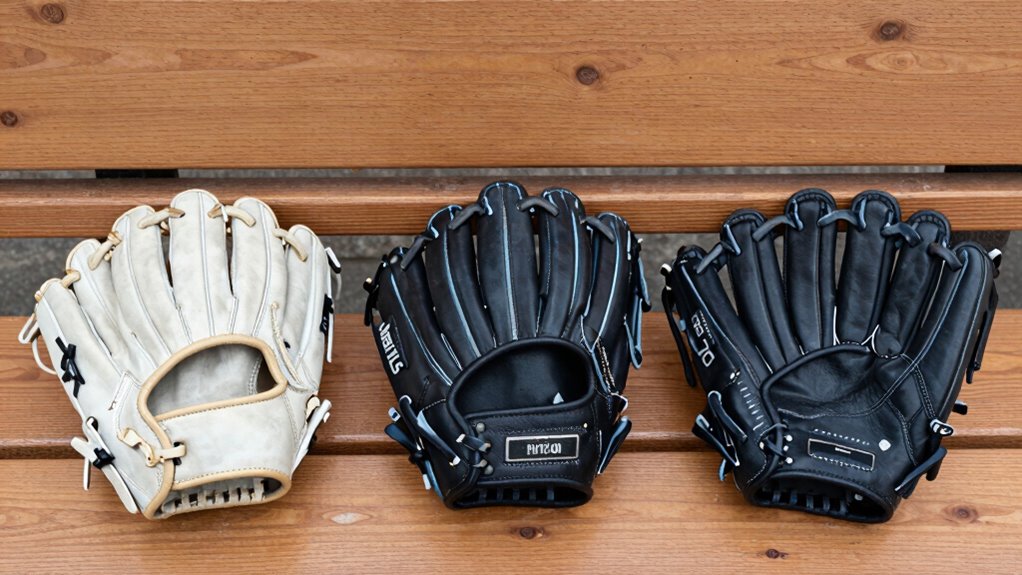
Choosing the right glove size depends on your position and playing style. Infielders often prefer smaller gloves for quick plays, while outfielders benefit from larger ones for better reach. Pitchers need gloves that provide control and concealment, so understanding these preferences helps you select the best fit. Additionally, glove fit and comfort are essential for optimal performance and can vary based on your specific needs and training techniques.
Infield Glove Size Tips
When selecting an infield glove, you want a size that offers quick, accurate throws and easy control. Typically, infield gloves range from 11 to 12 inches. An 11.5-inch glove provides a good balance between maneuverability and reach, helping you make fast plays on ground balls. To keep your glove in top shape, practice glove maintenance regularly—clean it and condition the leather. If you’re on a budget, there are many affordable options that don’t compromise quality, so you can find a durable glove without overspending. Focus on a snug fit that allows quick wrist action and easy ball transfer. Remember, the right size enhances your performance and confidence on the field, making your infield plays more efficient. Proper glove sizing is essential for optimizing your defensive skills and overall gameplay performance. Additionally, understanding glove break-in techniques can help ensure your glove performs at its best right from the start, which is especially important considering the importance of glove quality in performance. Regularly maintaining your glove, including cleaning and conditioning, can extend its lifespan and improve its responsiveness during play. Developing a consistent glove care routine can also lead to better durability and performance over time.
Outfield Glove Preferences
Outfield gloves are generally larger than infield gloves to provide better reach and catch radius, making them essential for tracking down fly balls and making strong throws. Your outfield glove preferences should include a size between 12.5 to 13 inches, giving you the length needed for deep catches and quick retrieval. Opt for a design with a wider pocket to improve catching soft or high-fly balls. When choosing glove color options, consider classic tones like black, brown, or navy for versatility, or go for bright colors to enhance visibility and style. The right outfield glove balances size, comfort, and functionality, helping you make those crucial catches with confidence. Remember, a well-chosen glove boosts your performance and helps you stand out in the outfield.
Pitcher Glove Considerations
A pitcher’s glove requires a balance between control, quick retrieval, and comfort, making size a critical factor in selection. Typically, a smaller glove, around 11 to 11.75 inches, offers better control and easier concealment from batters. This size promotes glove durability by reducing unnecessary strain during plays, helping it last longer with proper glove maintenance. Avoid oversized gloves that can hinder a pitcher’s quick hand movements and slow down reaction times. Regular glove maintenance, like cleaning and conditioning, keeps the leather supple and prevents cracking, ensuring consistent performance. Choosing the right size enhances your control on the mound, while proper glove care prolongs its lifespan, making it a reliable part of your pitching arsenal.
Tips for Ensuring a Comfortable and Flexible Fit
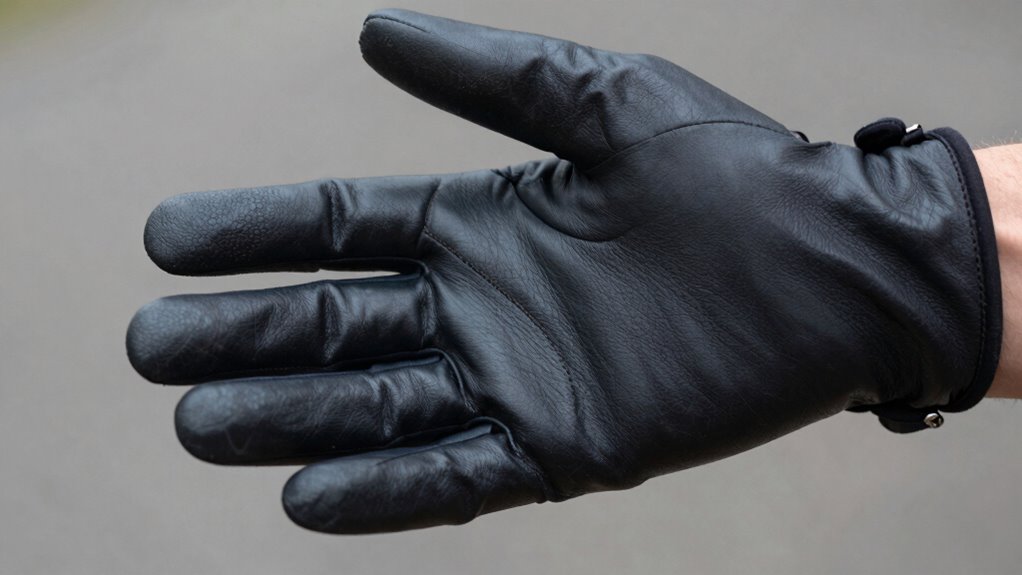
To guarantee your gloves fit comfortably and move with you, pay close attention to the fit around your fingers and palms. The right glove material enhances hand flexibility, making movements smoother. Choose flexible materials like leather or synthetic fabrics that stretch slightly yet hold shape. ensure the glove isn’t too tight, restricting movement, or too loose, causing slipping. Visualize this with the following:
| Fit Tightness | Comfort Level | Hand Flexibility |
|---|---|---|
| Snug but not constrictive | High | Allows natural movement |
| Slightly loose | Moderate | Slight restriction |
| Too tight | Low | Limits flexibility |
| Too loose | Very low | Causes shifting |
Aim for a snug fit that feels natural, supporting your hand’s flexibility and control. Paying attention to glove fit can significantly improve your comfort and performance during activities. Considering the material selection is also crucial, as it directly impacts flexibility and durability. Being aware of hand anatomy can help you choose the most suitable glove design for optimal comfort. Additionally, understanding proper sizing techniques can help ensure you select the best fit without trial and error.
Common Glove Sizing Mistakes and How to Avoid Them
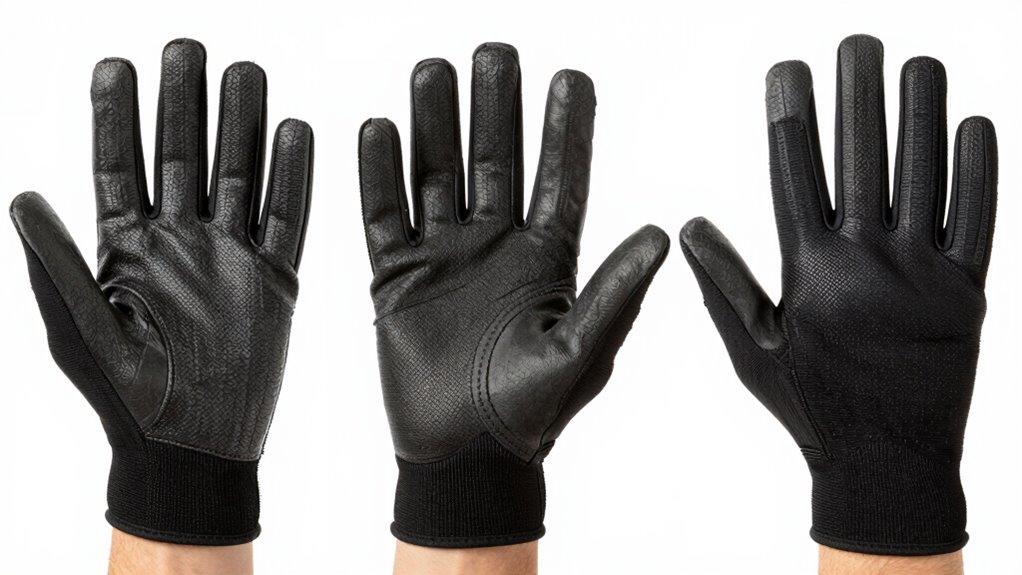
Many people make common mistakes when sizing gloves, which can compromise comfort and performance. One mistake is ignoring glove material, leading to choosing gloves that don’t stretch or breathe properly, resulting in discomfort or restricted movement. Another frequent error is neglecting proper glove maintenance, like not cleaning or storing gloves correctly, causing material degradation and inaccurate sizing over time. If you size gloves without considering how the material behaves during use, you risk selecting a fit that’s too tight or too loose. Always pay attention to how your gloves are maintained and how the material responds to wear. Regular maintenance ensures your gloves stay true to size and perform at their best. Avoid these mistakes, and you’ll get a better fit that enhances your performance and comfort.
Choosing Material and Break-In Time for Your Position

Choosing the right material for your gloves is essential because different fabrics respond uniquely to your specific activities and conditions. For example, leather offers durability but needs a longer break-in duration, while synthetic materials provide flexibility with less break-in time. Consider your position’s demands when selecting materials to ensure comfort and performance. Use this quick guide:
| Material | Break-In Duration | Best For | Durability |
|---|---|---|---|
| Leather | Longer | Heavy-duty, tactical roles | High |
| Synthetic | Shorter | Quick-fit, versatile use | Moderate |
| Neoprene | Moderate | Water sports, insulation | Good |
| Mesh | Minimal | Ventilation, lightweight | Low |
Choosing wisely guarantees ideal material selection and minimizes the break-in duration, enhancing your overall comfort.
Trying on Gloves: Final Tips for the Perfect Fit
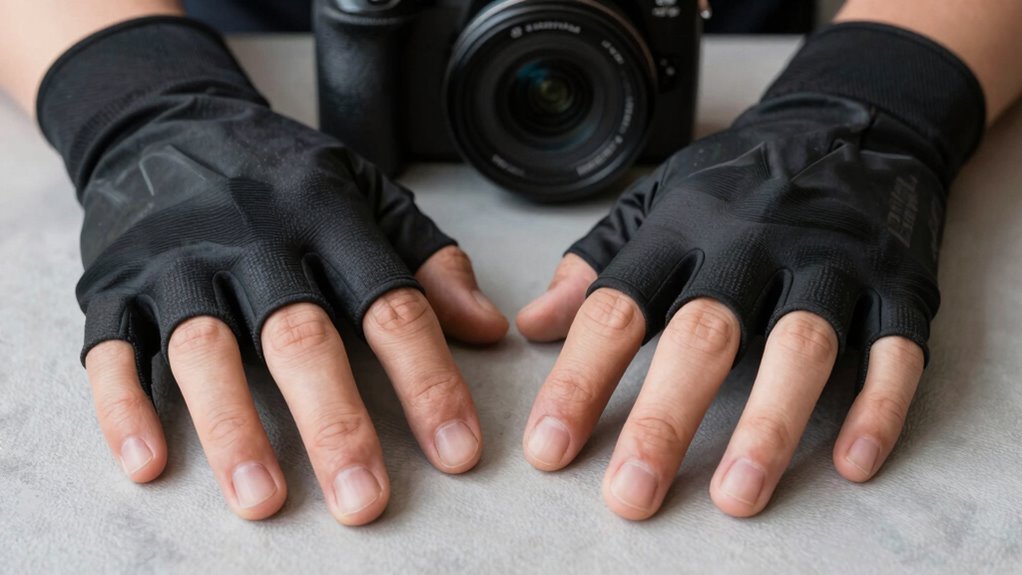
Once you’ve selected the right material and allowed your gloves to break in properly, it’s time to try them on for the final check. Make sure they fit snugly without feeling tight or restrictive. Check for comfort and mobility; you should be able to move your fingers freely. Proper glove maintenance is essential—clean and dry your gloves after use to prolong their lifespan. When not in use, store your gloves in a cool, dry place, avoiding direct sunlight or extreme temperatures. This helps preserve their shape and elasticity. Remember, a well-maintained glove fits better and performs ideally. Taking these final steps ensures your gloves will provide the perfect fit, comfort, and durability during every game or activity.
Frequently Asked Questions
How Often Should I Remeasure My Hand for an Accurate Glove Size?
You should remeasure your hand every 6 to 12 months to guarantee consistent glove fit. Hand measurement frequency depends on factors like weight changes, swelling, or injury, which can affect glove fit consistency. Regularly checking your measurements helps you find the right size, preventing discomfort or slipping. If your hand size stays stable, remeasuring less often is fine, but stay attentive to any noticeable changes that might impact your glove fit.
Do Glove Sizes Vary Between Brands or Manufacturers?
Imagine slipping on a glove and finding it snug in one brand but loose in another—that’s sizing variability at play. Yes, glove sizes can differ between brands or manufacturers due to differences in design and materials. While many brands aim for brand consistency, subtle variations often exist, so it’s wise to try on gloves or check sizing charts before purchasing, especially if you switch brands frequently.
Can Glove Size Affect My Performance or Injury Risk?
Yes, your glove size can impact your performance and injury risk. If your gloves are too tight, they can restrict hand flexibility, making movements less precise and increasing strain. Conversely, overly loose gloves can reduce grip and control, leading to accidents. Properly fitting gloves enhance durability and support, helping prevent injuries and ensuring you can perform comfortably and safely during your activities.
Should I Size up or Down for Different Playing Conditions?
You should choose your glove size based on fit considerations and material flexibility. When conditions change, opt for a slightly larger glove if you need more dexterity or a snugger fit for better control. Think of your glove as a second skin—tight for agility, a little looser for comfort. Adjust your sizing accordingly, balancing security and flexibility to perform at your best, no matter the playing conditions.
How Do Glove Sizes Differ for Youth Versus Adult Players?
Youth gloves are generally smaller and more flexible, designed to fit smaller hands comfortably, while adult gloves are larger with more durability and padding for grown performers. If you’re shopping for a young player, choose youth gloves for a snug, comfortable fit that helps their skills develop. For adult players, opt for adult gloves to guarantee proper protection and performance. Always check sizing charts to get the perfect fit for either age group.
Conclusion
Remember, finding the right glove isn’t just about size—it’s about fit and comfort. Measure carefully, try on different options, and don’t rush the process. As the saying goes, “A stitch in time saves nine.” When you invest a little effort upfront, you’ll enjoy better performance and comfort on the field. Trust your instincts and choose what feels right—your game depends on it.
NFL season / tailgating Picks
team gear
As an affiliate, we earn on qualifying purchases.