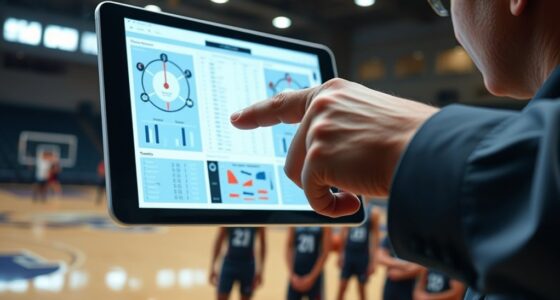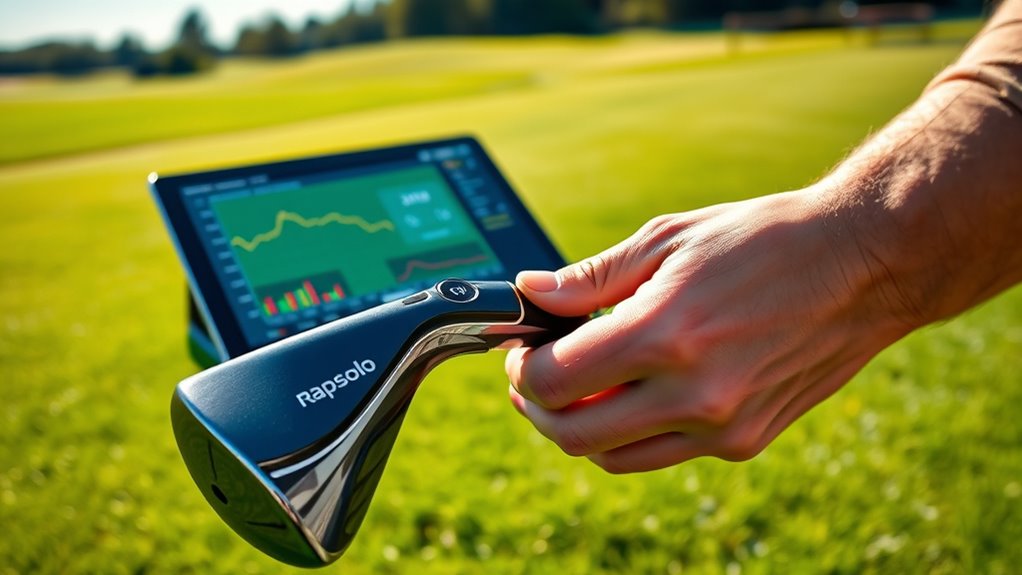

Building a data-driven practice plan involves integrating tools like Rapsodo and sensors to gather detailed performance metrics. Use these insights to identify strengths, weaknesses, and mechanical issues, then tailor drills and training strategies accordingly. This approach not only enhances player development but also boosts motivation and coaching efficiency. By continuously analyzing data, you create dynamic, targeted practices that improve results over time. Keep exploring to find out how to implement these tools effectively for maximum impact.
Key Takeaways
- Integrate Rapsodo and sensors to systematically collect performance metrics like velocity, spin, and movement patterns during practice sessions.
- Use data insights to identify athlete strengths, weaknesses, and mechanical issues for targeted training interventions.
- Establish clear benchmarks and goals based on data to motivate athletes and track progress over time.
- Incorporate real-time feedback from technology to adjust drills dynamically and enhance skill development.
- Leverage long-term data trends to refine training plans, improve team performance, and stay at the forefront of sports innovation.

In today’s competitive sports environment, implementing a data-driven practice plan can give you a significant edge. By leveraging technology integration, you can access new levels of player development that were previously difficult to measure or track. Tools like Rapsodo and sensors allow you to gather real-time, precise data on your athletes’ performance, providing insights that guide targeted training and improvement strategies. Instead of relying solely on traditional coaching methods, you can now make informed decisions based on concrete metrics, leading to faster progress and more consistent results.
Implement a data-driven practice plan with technology to accelerate player development and optimize results.
When you incorporate Rapsodo into your practice plan, you gain detailed analytics on key performance indicators such as velocity, spin rate, and release angle. These metrics help you identify strengths and weaknesses in each player’s technique, allowing for customized adjustments that promote skill refinement. Sensors further enhance this approach by capturing data on movement patterns, force production, and even fatigue levels. With this technology integration, you’re not just observing performance—you’re understanding the underlying mechanics that drive improvement.
By systematically collecting and analyzing data, you create a feedback loop that accelerates player development. For example, if a pitcher’s ball speed plateaus, sensor data can reveal if they’re losing momentum or misusing their core. Based on these insights, you can prescribe specific drills to address those issues, rather than relying on guesswork. Over time, this precise approach guarantees that each athlete’s training is tailored to their unique needs, maximizing growth and reducing injury risk.
Furthermore, data-driven practice plans foster a culture of accountability and motivation. When players see tangible progress through measurable data, they become more engaged and committed to their training routines. You can set clear benchmarks and goals rooted in real performance metrics, making progress visible and motivating continued effort. With technology integration, you also streamline the coaching process, saving time on manual observation and allowing more focus on strategic skill development.
In the long run, adopting a data-driven approach with tools like Rapsodo and sensors transforms your practice sessions from routine drills into dynamic, insightful training environments. You’re not just coaching—you’re guiding each player’s journey with performance metrics, guaranteeing continuous improvement through targeted, data-backed interventions. This approach ultimately elevates your team’s performance, keeps players engaged, and positions you at the forefront of innovative sports training.
Frequently Asked Questions
How Do I Interpret Rapsodo Data for Individual Player Improvement?
You interpret Rapsodo data for player improvement by analyzing key metrics like velocity, spin rate, and launch angle. Use data visualization tools to track progress over time, identifying patterns or inconsistencies. Focus on how these metrics change with practice, setting specific goals for each player. This helps you tailor training, monitor progress, and motivate players by showing tangible improvements in their performance.
What Are the Costs Associated With Implementing Sensor Technology?
Think of implementing sensor tech as planting a garden—you’ll need initial costs for devices like launch monitors and wearable sensors, plus ongoing expenses for sensor maintenance. Expect to allocate funds to data security measures to protect player info. Budget for software subscriptions, hardware updates, and staff training. While costs vary, a well-planned investment guarantees your team gains precise insights, helping players improve faster and more effectively.
How Often Should Sensors Be Calibrated for Accuracy?
You should calibrate sensors regularly to guarantee accuracy; typically, calibration frequency depends on usage but is recommended at least once every few weeks or after any major impact or environmental change. Regular sensor maintenance, including calibration, helps prevent drift in data and maintains reliability. Always follow the manufacturer’s guidelines for calibration intervals, and perform calibration more frequently if you notice inconsistent or inaccurate readings during practice sessions.
Can This Technology Be Used Effectively for Youth Athletes?
Imagine you’re using this tech in the era of the Pony Express—yes, it’s that effective! You can absolutely use Rapsodo and sensor tech for youth athletes. It boosts youth engagement by making training fun and interactive. Plus, involving parents with progress data keeps them invested and motivated. Just guarantee the devices are age-appropriate and user-friendly, so young athletes can learn and improve while having a blast.
What Are Common Challenges When Integrating Rapsodo and Sensors?
You might face challenges like data privacy concerns and equipment compatibility when integrating Rapsodo and sensors. Ensuring athlete data is secure and compliant with privacy standards is essential, so you need clear protocols. Also, verify that your devices are compatible with existing equipment to prevent technical issues. Addressing these challenges early helps you create a smooth, effective data-driven practice environment that benefits your athletes.
Conclusion
So, go ahead, rely solely on Rapsodo and sensors—who needs intuition or experience anymore? After all, data never lies, right? Just remember, while tech can boost your game, it might also turn coaching into a robot’s job. But hey, if your players start questioning whether your advice is coming from a human or a machine, you’ll know the sensors have officially taken over. Happy hacking your way to perfection!