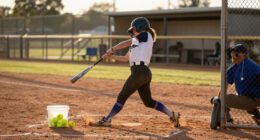
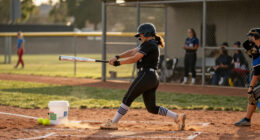
For softball players looking to improve bat performance at home, softball bat rolling machines offer a convenient way to condition bats without traveling to a facility. The best models balance ease of use with effective results, but they vary widely in features and price. The PowerNet Launch F-lite stands out as a top overall pick for its user-friendly design and consistent rolling. For those on a budget, the Furlihong 3801BH provides solid value, while the Heater Sports Power Alley Lite offers a compact solution for limited spaces. Keep reading to see how these options compare and which one fits your needs best.

Get sports gear delivered free with Prime
- Fast, free delivery on millions of items
- Prime Video, Amazon Music and more included
- Member-only deals all year
Complete the kit


Key Takeaways
- The top picks balance ease of operation with effective bat conditioning results.
- Price ranges significantly, with some models offering more automation and features at a higher cost.
- Durability and build quality are key factors influencing long-term value and performance.
- Compact and manual models are best for casual use, while automatic machines suit serious players or coaches.
- Choosing the right machine depends heavily on space, budget, and desired level of automation.
| Franklin Sports MLB Pop A Pitch Baseball Pitching Machine |  | Best for Kids’ Introduction to Baseball | Includes: Pitching machine, collapsible youth plastic bat, 3 plastic baseballs | Material: Plastic | Approval: MLB approved | VIEW ON AMAZON | See Our Full Breakdown |
| JUGS Lite-Flite Machine for Baseball and Softball |  | Best for Versatile Indoor/Outdoor Practice | Recommended Age: 8 to adult | Speed Range: 30 to 50 mph | Power Source: 110-volt AC | VIEW ON AMAZON | See Our Full Breakdown |
| Louisville Slugger Blue Flame Pitching Machine |  | Best for Manual, No-Power Training | Item Dimensions: 33 x 9.4 x 6.2 inches | Package Weight: 9.91 kg | Material: Metal | VIEW ON AMAZON | See Our Full Breakdown |
| MOXOW Sagitta Manual Baseball & Softball Pitching Machine with Ball Caddy |  | Best for Realistic Manual Training | Capacity: 50 baseballs or 30 softballs | Power: Manual | Features: Anti-tilt structure, dual-function beam, color-coded speed settings | VIEW ON AMAZON | See Our Full Breakdown |
| PowerNet Launch F-lite Softball & Baseball Pitching Machine with Practice Balls |  | Best for Versatile Home and Field Training | Item Dimensions: 23.8 x 21.8 x 12.1 inches | Package Weight: 27.1 lbs | Item Weight: 13 kg | VIEW ON AMAZON | See Our Full Breakdown |
| Heater Sports Power Alley Lite 360 12-Inch Softball Machine |  | Best Overall for Versatile Home Softball Practice | Ball Size: 12 inches | Max Speed: 50 MPH | Motor Power: 1/8 HP | VIEW ON AMAZON | See Our Full Breakdown |
| Furlihong 3801BH Upgraded Electronic Baseball Pitching Machine for Beginners |  | Best for Entry-Level Softball Practice with Adjustable Settings | Adjustable Wheels: Yes | Power Supply: 4 D batteries or 6V AC adapter | Max Speed: 30 MPH | VIEW ON AMAZON | See Our Full Breakdown |
| Mound Yeti Baseball Softball Pitching Machine for Youth and Adults |  | Best for Consistent, Automatic Pitching for All Skill Levels | Baseball release height: 37.5 inches | Softball release height: 27.5 inches | Weight: 50 lbs | VIEW ON AMAZON | See Our Full Breakdown |
| Softball Pitching Machine for Kids – Automatic Baseball Launcher with 4 Softballs |  | Best for Young Kids’ Softball Practice and Fun | Sport Type: Baseball | Brand Name: Sokuchy | Age Range: Kid | VIEW ON AMAZON | See Our Full Breakdown |
More Details on Our Top Picks
Franklin Sports MLB Pop A Pitch Baseball Pitching Machine
This pitching machine excels at making batting practice accessible and fun for young children, especially those just starting out. Compared with the Louisville Slugger Blue Flame, it is more suitable for beginners due to its simple plastic build and smaller size. While the Franklin set is easy to operate and perfect for family backyard use, its plastic construction limits durability for rough play or frequent use. Its complete set, including a collapsible bat and baseballs, encourages independent practice, but lacks details on power source, which could impact outdoor use. This option is ideal for parents wanting a safe, lightweight introduction tool for kids, but not for those seeking long-term durability or professional-grade equipment.
Pros:- Encourages kids to practice batting skills in a fun way
- Complete set with everything needed to start playing
- Easy to operate with simple loading and pitching process
Cons:- Made of plastic, may not be durable for rough play
- Limited to young children due to size and design
Best for: Parents looking for a safe, fun, and easy-entry baseball practice set for young children
Not ideal for: Older kids or serious players needing durable, high-performance pitching machines
- Includes:Pitching machine, collapsible youth plastic bat, 3 plastic baseballs
- Material:Plastic
- Approval:MLB approved
Our verdict“This set is perfect for parents who want an easy, safe way to introduce young children to baseball fundamentals without durability concerns.”
JUGS Lite-Flite Machine for Baseball and Softball
Compared with the MOXOW Sagitta, the JUGS Lite-Flite Machine offers greater versatility with a wider range of pitch types and speeds up to 85 mph, making it ideal for more advanced practice sessions. Its adjustable speed and full 360-degree swivel provide a broad training spectrum, suitable for both indoor and outdoor use. However, its reliance on compatible Lite-Flite or Bulldog polyballs means it isn’t compatible with standard baseballs, limiting its use for traditional baseball drills. The lightweight design and quick-change system make setup and switching between softball and baseball modes straightforward, but the need for a separate battery pack and limited ball compatibility could be drawbacks for casual users. This machine suits coaches or players seeking flexible indoor or outdoor batting practice, but not those wanting to use regular baseballs or needing a self-powered system.
Pros:- Adjustable speed and pitch types for comprehensive training
- 360-degree swivel for versatile practice scenarios
- Lightweight and portable for indoor and outdoor use
Cons:- Compatible only with Lite-Flite and Bulldog polyballs
- Battery pack sold separately
Best for: Serious softball and baseball players or coaches needing versatile and adjustable pitching practice
Not ideal for: Casual players or families wanting a simple, all-in-one setup for young children
- Recommended Age:8 to adult
- Speed Range:30 to 50 mph
- Power Source:110-volt AC
- Swivel:Yes
- Weight:35 lbs
- Warranty:2 years
Our verdict“This machine is a strong choice for advanced training environments where versatility and adjustable features are priorities.”
Louisville Slugger Blue Flame Pitching Machine
The Louisville Slugger Blue Flame offers a manual operation that appeals to those seeking a straightforward, no-electricity-required practice tool. It’s lighter and more portable than electric models like the PowerNet Launch F-lite, but its manual setup can be less convenient for quick drills or frequent use. This machine is especially suitable for youth leagues or trainers who prefer manual control over pitch types and speeds. However, its limited ball types and the necessity of manual operation mean it might not meet the needs of players looking for high-speed or automated pitching. If you value simplicity and portability over speed and automation, this model provides reliable, manual pitching for basic training needs.
Pros:- Adjustable speed controls for various ball types
- Lightweight and portable, weighs less than 25 lbs
- Manual operation requires no electricity or batteries
Cons:- Requires manual setup and operation
- Limited to specific ball types and speeds
Best for: Coaches and youth trainers preferring manual, lightweight pitching machines for basic drills
Not ideal for: Players seeking high-speed, automated, or multi-ball type practice sessions
- Item Dimensions:33 x 9.4 x 6.2 inches
- Package Weight:9.91 kg
- Material:Metal
- Suggested Users:unisex-teen
- Included Components:Pitching machine parts
Our verdict“This machine is ideal for users who want a simple, portable manual pitching option without the need for power or automation.”
MOXOW Sagitta Manual Baseball & Softball Pitching Machine with Ball Caddy
The MOXOW Sagitta stands out for its fully manual operation, making it suitable for players who want a realistic feel without reliance on electricity. Its adjustable speeds and stable design allow it to simulate game-like pitches for batting, grounders, and fly balls. Unlike electric models, it requires more physical effort, which can be a plus for strength building but a drawback for convenience. The included ball caddy simplifies ball management, yet since balls are sold separately, it adds to the overall cost. This machine is best suited for players who value manual control and realistic practice, but those seeking effortless, automatic pitching should look elsewhere.
Pros:- Manual operation requires no electricity or batteries
- Stable and adjustable for various training drills
- Includes convenient ball caddy for easy ball management
Cons:- Balls are not included, requiring separate purchase
- Manual operation may require more physical effort
Best for: Serious amateur players or coaches wanting manual, realistic pitching training
Not ideal for: Casual users or families seeking easy, electric-powered practice options
- Capacity:50 baseballs or 30 softballs
- Power:Manual
- Features:Anti-tilt structure, dual-function beam, color-coded speed settings
- Includes:Ball caddy (balls not included)
Our verdict“This machine is best for dedicated players and coaches seeking a manual, realistic pitching experience without power dependency.”
PowerNet Launch F-lite Softball & Baseball Pitching Machine with Practice Balls
The PowerNet Launch F-lite offers a versatile solution for both softball and baseball practice, with adjustable speeds from 40 to 90 MPH, making it suitable for a wide range of skill levels. Its comprehensive package includes practice balls designed specifically for optimal performance, and the interchangeable tripod bases allow easy switching between sports. Compared with the lighter, manual Louisville Slugger Blue Flame, the Launch F-lite provides more speed options and ball variety, but it is bulkier and slightly heavier, making it less portable. Its performance relies heavily on using the recommended PowerNet balls, which could be a concern for users wanting to use their own practice balls. This machine is best for dedicated home batting setups or field practice, especially where versatility is valued over portability.
Pros:- Adjustable speeds for different skill levels
- Includes practice balls designed for performance
- Interchangeable tripod bases for multi-sport training
Cons:- Performance may vary with non-PowerNet balls
- Bulkier and heavier than manual or single-sport machines
Best for: Dedicated baseball and softball players seeking adjustable, versatile practice at home or on the field
Not ideal for: Casual players or those with limited space who need lightweight, easy-to-store options
- Item Dimensions:23.8 x 21.8 x 12.1 inches
- Package Weight:27.1 lbs
- Item Weight:13 kg
- Brand Name:PowerNet
- Warranty:1 year limited
Our verdict“This machine suits players looking for a versatile, adjustable practice setup capable of supporting both baseball and softball training.”
Heater Sports Power Alley Lite 360 12-Inch Softball Machine
The Heater Sports Power Alley Lite 360 stands out as the most adaptable option, offering adjustable speed and pitch height to simulate a variety of pitches, including curves and sliders. Compared with the Mound Yeti, which excels in automatic, consistent throws at higher speeds, this machine provides greater pitch variety for comprehensive training. Its compatibility with standard 110V power makes setup straightforward, though it requires a separate battery pack—adding to the cost and setup complexity. The limited maximum speed of 50 MPH may not satisfy advanced players seeking faster pitches, but it covers most home practice needs. For those wanting a versatile, configurable machine that can simulate different pitch types, this pick offers a strong balance of features and affordability. However, the need to purchase a battery separately and its capped speed are tradeoffs for its flexibility.
Pros:- Adjustable speed and pitch height for diverse training
- Pitches a variety of pitches including curves and sliders
- Compatible with standard 110V power sources
Cons:- Battery pack sold separately, increasing total cost
- Maximum speed limited to 50 MPH
Best for: Hobbyist players or coaches seeking customizable pitching for softball training at home.
Not ideal for: Advanced athletes needing pitches over 50 MPH or those prioritizing portability without extra costs.
- Ball Size:12 inches
- Max Speed:50 MPH
- Motor Power:1/8 HP
- Power Options:110V or battery pack (sold separately)
Our verdict“This machine is best suited for players who want customizable pitches in a versatile, home-friendly setup.”
Furlihong 3801BH Upgraded Electronic Baseball Pitching Machine for Beginners
The Furlihong 3801BH makes a compelling choice for beginners, offering adjustable wheels that let new players customize speed and angle—though it’s primarily designed for beginner-level training at a maximum of 30 MPH. Unlike the Heater Power Alley Lite 360, which can simulate various pitch types, this model focuses on simple, controlled practice suitable for those just starting out. Its portability, powered by batteries or an AC adapter, makes it easy to use in different locations, but it cannot handle regulation baseballs, limiting its use to softer practice balls. This model is perfect for young players or coaches working on basic skills, but it isn’t suited for advanced training or heavy-duty practice. The tradeoff for ease of use and safety is its lower speed cap and limited ball compatibility.
Pros:- Adjustable speed and angle for beginner-friendly practice
- Portable with battery and AC options
- Designed specifically for youth and novice players
Cons:- Cannot use regulation baseballs, limiting realism
- Requires batteries or AC adapter, batteries not included
Best for: Parents or coaches working with young or beginner players focusing on fundamental skills.
Not ideal for: Players seeking high-speed pitches or training with regulation baseballs and advanced pitch types.
- Adjustable Wheels:Yes
- Power Supply:4 D batteries or 6V AC adapter
- Max Speed:30 MPH
- Ball Compatibility:Polyurethane dimpled balls (1 oz), not regulation baseballs
Our verdict“Ideal for young or beginner players focusing on fundamental skills without the need for high-speed pitches.”
Mound Yeti Baseball Softball Pitching Machine for Youth and Adults
The Mound Yeti is designed for those who want automatic, consistent throws, making it a strong choice for both youth and adult training. Its adjustable speed range from 30-60 MPH provides a broader spectrum than the Furlihong 3801BH, catering to more advanced players aiming for higher velocities. The reversible steel legs allow for easy pitch height adjustments, and its durable build ensures long-term use. However, at 50 pounds, its weight makes it less portable compared to lighter models like the Softball Pitching Machine for Kids. The single-wheel design simplifies operation but limits the variety of pitch types, making it less suitable for practicing diverse pitches. It’s perfect for players who want consistent, adjustable-speed pitching but don’t require the ability to simulate a wide range of spins or complex pitches.
Pros:- Automatic, consistent throws for reliable practice
- Adjustable speed from 30-60 MPH for different skill levels
- Reversible legs for easy pitch height adjustment
Cons:- Heavy at 50 lbs, less portable
- Limited to single-wheel design reduces pitch variety
Best for: Serious amateur players and coaches needing reliable, adjustable-speed pitching for regular practice.
Not ideal for: Players seeking lightweight, portable machines or extensive pitch variety beyond speed control.
- Baseball release height:37.5 inches
- Softball release height:27.5 inches
- Weight:50 lbs
- Speed range:30-60 mph
- Warranty:2 years
Our verdict“Best suited for players who prioritize consistent, adjustable-speed pitches over pitch diversity and portability.”
Softball Pitching Machine for Kids – Automatic Baseball Launcher with 4 Softballs
The Sokuchy Softball Pitching Machine is tailored for young children, focusing on safety and fun. With automatic pitching every 4 seconds and included softballs, it encourages solo practice and helps develop hand-eye coordination. Unlike the more advanced Mound Yeti, which offers higher speeds and pitch adjustments, this machine is designed for casual use and skill-building for kids. Its portability, powered by a portable power bank, allows for flexible setup in different locations. The main tradeoff is its limited features—no speed or angle adjustments—and the lower maximum speed makes it unsuitable for more experienced players. This model makes sense for young beginners who want a safe, easy way to practice without complex controls, but it won’t meet the needs of serious training or older players.
Pros:- Allows solo practice without a pitcher
- Powered by a portable power bank for extended use
- Helps improve hand-eye coordination and baseball skills
Cons:- Limited to basic, non-adjustable features
- Battery life depends on power bank capacity
Best for: Parents or coaches seeking a safe, fun practice tool for young children new to softball or baseball.
Not ideal for: Older or more experienced players who need adjustable speeds, higher velocities, or advanced features.
- Sport Type:Baseball
- Brand Name:Sokuchy
- Age Range:Kid
- Unit Count:4
- Included Components:4 Softballs, Pitching Machine Body
- Warranty:1 Month
Our verdict“Perfect for young children starting out, providing safe, simple, and fun batting practice at home.”

How We Picked
These softball bat rolling machines were evaluated based on several criteria relevant to home users. Performance was measured by how effectively each machine conditions bats, with an emphasis on consistency and ease of use. Build quality and durability were considered to ensure that the investment lasts over time. We also factored in ease of operation, including setup and maintenance, as well as value for the price point. Automated features and space-saving designs were prioritized for home use, while affordability and simplicity were essential for casual players. The ranking reflects a balance of these factors, highlighting options suited for different budgets and needs.Factors to Consider When Choosing Softball Bat Rolling Machines Home Use
When selecting a softball bat rolling machine for home use, consider several key factors beyond just the initial cost. The level of automation can dramatically influence ease of use, especially if you plan to roll bats frequently. Space constraints should guide your choice—compact or manual models work well in smaller areas. Durability and build quality matter for long-term value, particularly if you expect regular use. Additionally, think about the machine’s versatility: some models can accommodate different bat sizes and types, which adds to their usefulness. Finally, consider your comfort with maintenance and setup, ensuring the machine fits seamlessly into your routine.Performance and Effectiveness
The primary purpose of a bat rolling machine is to improve bat performance by reducing stiffness and increasing flexibility. Effective machines deliver consistent results across multiple uses without damaging the bat. Cheaper models may produce uneven results or require manual adjustments, which can be frustrating for regular use. Higher-quality machines often include features like adjustable rollers or automated controls, ensuring more precise conditioning. Evaluating how well a machine improves bat performance over time helps determine its true value for home use.Ease of Use and Automation
Ease of operation is crucial for home users who may not have professional experience. Manual or semi-automatic models are generally simpler and lower cost but require more effort and attention during each roll. Fully automatic machines streamline the process, allowing you to set it and forget it, which is ideal for busy schedules. Consider whether the machine has features like digital controls, automatic ball feeding, or simple start/stop functions. The more automated the process, the easier it is to incorporate into your regular practice routine.Build Quality and Durability
Since these machines are a home investment, durability is a key factor. Cheaper plastic parts may wear out quickly or break under frequent use, leading to additional costs. Metal components, quality motors, and sturdy frames tend to last longer and withstand regular operation. Think about the materials used and the reputation of the brand for producing reliable equipment. A well-built machine may cost more upfront but can save money and frustration over time.Space and Size Considerations
Home environments often have limited space, making compact design a significant factor. Some machines are tabletop or foldable, fitting easily into small gyms or garages. Larger, freestanding models might offer more features but require dedicated space, which could be a drawback for casual players. Measure your available area carefully and consider models that balance functionality with size. Portability can also be beneficial if you want to store the machine when not in use.Price and Value for Money
While budget is always a concern, extremely cheap models may sacrifice durability or effectiveness. Conversely, paying more often yields better automation, build quality, and results. Identify your primary use—occasional practice or frequent conditioning—and select a machine that aligns with that level of commitment. Look for features that add value, such as adjustable rollers or compatibility with different bat sizes. Avoid overspending on unnecessary features if your use will be casual, but don’t cut corners if you need reliable, long-term performance.Frequently Asked Questions
Can I use a softball bat rolling machine on any type of bat?
Most bat rolling machines are designed to accommodate standard softball bats, but not all are suitable for all bat materials or sizes. It’s important to check the specifications for the machine to see if it supports the length and diameter of your bat, especially if you have different types (composite, aluminum, etc.). Using a machine on incompatible bats can cause damage or inconsistent results. For home use, selecting a versatile model that can handle multiple bat types provides more flexibility and value.How often should I roll my softball bats at home?
The frequency depends on how often you play or practice and the condition of your bats. For casual players, rolling once every few months can help maintain flexibility and performance. More serious players or coaches might roll bats every 4-6 weeks to optimize their performance and extend the lifespan of the bat. Over-rolling can weaken the bat material, so it’s best to follow manufacturer guidelines and monitor the bat’s condition regularly.Are manual bat rolling machines sufficient for home use?
Manual or semi-automatic machines can be sufficient for occasional use and are often more affordable and compact. They require more effort and attention during operation, but for infrequent batting practice, they can deliver good results. However, if you plan to roll bats frequently or want consistent, hands-free operation, investing in an automatic machine may be more convenient and save time. The choice depends on your commitment level and how much you value ease of operation.What safety precautions should I take when using a bat rolling machine at home?
Safety first: always wear protective gear such as gloves and eye protection, especially when handling the rollers or bats. Make sure the machine is on a stable, flat surface to prevent slipping or tipping during operation. Follow the manufacturer’s instructions carefully to avoid damaging the bat or the machine. Keep the area clear of bystanders and children during use. Regularly inspect the machine for signs of wear or damage to prevent accidents and ensure consistent results.Is investing in a high-end bat rolling machine worth it for home use?
A high-end machine often offers better automation, durability, and more precise control, making it a good investment for frequent users or coaches. If you regularly condition multiple bats or want consistent, professional-level results, spending more can pay off in long-term savings and performance gains. However, for casual players or those just starting out, a mid-range or manual model may suffice and provide excellent value. Assess your usage pattern and budget to determine if the additional features justify the higher cost.Conclusion
For casual players or those just starting, the Furlihong 3801BH offers reliable performance at a budget-friendly price. Serious enthusiasts and coaches will find the PowerNet Launch F-lite to be a versatile, easy-to-use choice that delivers consistent results. If space and automation are priorities, the Heater Sports Power Alley Lite provides a compact, user-friendly experience for home practice. For those seeking premium durability and professional features, investing in a higher-end model makes sense. Ultimately, selecting the right machine depends on your frequency of use, space, and budget, ensuring you get the best match for your home training needs.
Halloween Picks

HOPOCO Halloween Pumpkin Fog Machine with 12 LED Colors and 4 Light Modes

Pumpkin Halloween Fog Machine with 12-Color LED Lights, Bluetooth Speaker, and Remote

JOYIN 5-Foot Halloween Animatronic Drinking Skeleton
As an affiliate, we earn on qualifying purchases.