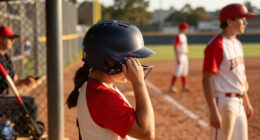
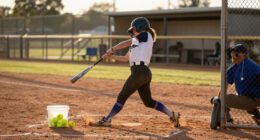
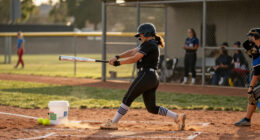
Softball training aids cover a huge range of gear, from hitting nets and swing trainers to pitching mechanics tools, and the right pick depends entirely on which skill you’re trying to build. The 6×6 ft Baseball and Softball Training Net with Strike Zone, Tee, and Ball Caddy earns my best overall spot because it bundles the most complete practice setup into one package, covering batting, pitching accuracy, and ball collection in a single purchase. For players focused purely on swing mechanics, the SWINGRAIL Hitting Trainer is the standout teaching tool, while the Perfect Circle Pitcher’s Training Aid is the clear choice for developing correct windmill pitching motion. The main tradeoff in this category is versatility versus specialization — do you want one net that does a bit of everything, or a targeted trainer that fixes one specific flaw? Budget also matters, since complete net setups cost more but replace trips to the batting cages. Keep reading for the full breakdown, including who each product suits and who should skip it.

Get sports gear delivered free with Prime
- Fast, free delivery on millions of items
- Prime Video, Amazon Music and more included
- Member-only deals all year
Complete the kit


Key Takeaways
- Complete net bundles like the 6×6 ft net with tee, strike zone, and ball caddy deliver far more practice value per dollar than single-purpose nets like the BAGAIL 7×7, which trades accessories for a slightly larger hitting area.
- Mechanics trainers (SWINGRAIL, Perfect Circle, Christie Ambrose Pitching Trainer) outperform general equipment for fixing specific flaws, but they demand consistent solo or partner practice to pay off — casual players will abandon them.
- Rebound-style and swing-away trainers (SKLZ Hurricane, 10.5ft Swing Trainer, Tee Popper) solve the ‘no pitcher available’ problem, yet each handles the ball differently — read the retrieval tradeoffs carefully before buying.
- Portability separated the field more than price did: smaller aids travel easily in a bat bag, while full net setups need garage or backyard space and a few minutes of assembly.
- Several products carry both baseball and softball labels, but only a few (the Christie Ambrose trainer with its regulation 11-inch ball, the Perfect Circle) are genuinely built around softball-specific mechanics.
| 6×6 ft Baseball Net for Batting, Pitching & Hitting with Strike Zone, Tee, Ball Caddy |  | Best All-Around Training Bundle | Size: 6×6 ft | Netting: 7-ply knotless | Poles: 12.7mm fiberglass bow poles | VIEW LATEST PRICE | See Our Full Breakdown |
| SWINGRAIL Baseball/Softball Hitting Trainer |  | Best for Swing Mechanics | Ages: 9 and up | Skill Focus: Swing mechanics, bat speed, contact, timing | Best Used With: Tee work, front toss, controlled pitching | VIEW LATEST PRICE | See Our Full Breakdown |
| Baseball Hitting Trainer Swing Practice Softball Batting Training Equipment |  | Best Budget Solo Hitting Station | Resistance Bands: 4 adjustable levels | Height Adjustment: 28″ to 43″ | Durability: Tested for 50,000 hits | VIEW LATEST PRICE | See Our Full Breakdown |
| Perfect Circle Softball Pitcher’s Training Aid |  | Best for Pitching Mechanics | Fits: Youth and adult | Pitches Supported: Fastball, change-up, drop ball, screw ball, rise ball, curve ball | Feedback: Instant feedback during practice | VIEW LATEST PRICE | See Our Full Breakdown |
| BAGAIL 7×7 ft Baseball & Softball Training Net |  | Best Net for Hard Throwers | Size: 7×7 ft | Material: Reinforced polyester mesh, nylon, steel, fiberglass | Setup: Approximately 2 minutes, no tools | VIEW LATEST PRICE | See Our Full Breakdown |
| Baseball Softball Batting Trainer – 10.5ft Swing Trainer with Hook & Ball |  | Best Budget Solo Swing Trainer | Length: 10.5ft (3.2m) | Material: Weather-resistant rope | Hook: Sturdy steel | VIEW LATEST PRICE | See Our Full Breakdown |
| Christie Ambrose’s Softball Pitching Trainer, 11-Inch, White |  | Best for Learning Pitch Grips | Size: 11 inches | Color: White | Design: Color-coded finger markings for specific pitches | VIEW LATEST PRICE | See Our Full Breakdown |
| SKLZ Hurricane Baseball and Softball Swing Trainer with Adjustable Power Band System | 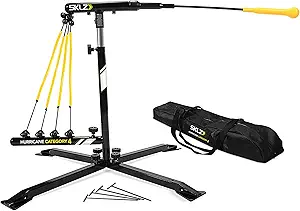 | Best Premium Stand-Alone Swing Station | Height Range: 23 to 38 inches (adjustable) | Weight: 37 lbs | Frame: Steel | VIEW LATEST PRICE | See Our Full Breakdown |
| Bandit Sports Tee Popper – Durable Nylon Baseball Batting Trainer with Popper Ball Included |  | Best for Hand-Eye Timing Without a Partner | Material: Reinforced glass-infused nylon | Pop-Up Height: Up to 46 inches | Included Ball: Popper ball | VIEW LATEST PRICE | See Our Full Breakdown |
| softball training aid | Includes |
|---|---|
| 6×6 ft Baseball Net for Battin | Net, adjustable tee, ball caddy, strike zone targets, ground stakes, carry bag |
| SWINGRAIL Baseball/Softball Hi | Online instructional videos |
| Baseball Hitting Trainer Swing | Trainer unit only — no instructional guide |
| Perfect Circle Softball Pitche | User instructions |
| BAGAIL 7×7 ft Baseball & Softb | Adjustable batting tee, strike zone targets, ground stakes, carry bag |
| Baseball Softball Batting Trai | — |
| Christie Ambrose’s Softball Pi | Instructional booklet |
| SKLZ Hurricane Baseball and So | Carry bag, metal stakes |
| Bandit Sports Tee Popper | — |
More Details on Our Top Picks
6×6 ft Baseball Net for Batting, Pitching & Hitting with Strike Zone, Tee, Ball Caddy
This option stands out for bundling everything a solo practice session needs — net, adjustable tee, strike zone attachment, and a ball caddy — into one tool-free setup. Compared with the BAGAIL 7×7 ft Training Net, it sacrifices a foot of coverage but gains the ball caddy, which matters more than size for players doing repetitive tee work without a partner. The 7-ply knotless netting and 12.7mm fiberglass poles translate to a frame that holds up under repeated hard contact rather than sagging after a few weeks. The tradeoff is footprint: a 6×6 net plus base needs real backyard or garage space, and the strike zone target is fairly basic compared with purpose-built pitching trainers like the Perfect Circle. This pick makes the most sense for households where one setup has to serve hitters and pitchers of multiple ages.
Pros:- Complete bundle with net, tee, caddy, and strike zone targets in one purchase
- 7-ply knotless netting and thick fiberglass poles handle repeated hard swings
- Tool-free assembly and included carry bag make it genuinely portable
- Works for baseball, softball, cricket, and other bat-and-ball practice
Cons:- Needs substantial flat space for setup, ruling out small patios or cramped garages
- Net and poles will degrade faster if left outdoors through weather
Best for: Families and coaches who want a single backyard station that covers tee work, front toss, and pitching accuracy for multiple players
Not ideal for: Players focused purely on pitching mechanics — the strike zone target offers accuracy feedback but can’t correct arm path like the Perfect Circle does
- Size:6×6 ft
- Netting:7-ply knotless
- Poles:12.7mm fiberglass bow poles
- Support Base:Heavy-duty steel
- Includes:Net, adjustable tee, ball caddy, strike zone targets, ground stakes, carry bag
- Setup:Tool-free assembly
- Suitable For:Baseball, softball, cricket; kids and adults
Our verdict“Buy this if you want one do-everything backyard station for mixed-age hitting and pitching practice; skip it if your focus is a single specific skill.”
SWINGRAIL Baseball/Softball Hitting Trainer
Where nets like the 6×6 ft Baseball Net measure whether you made contact, the SWINGRAIL asks how you made it. This wearable guide physically corrects hand path and barrel angle during the swing, giving immediate feedback the moment mechanics break down — something no net or tee can do. Compared with the Baseball Hitting Trainer Swing Practice unit, it targets the root cause of weak contact rather than just building repetition and power. That focus comes with real limitations: it works best off a tee, front toss, or controlled pitching, so it can’t replace live BP, and younger players under 9 or hitters who don’t understand proper technique may fight the device instead of learning from it. This model is better suited to committed hitters age 9 and up who already have a coach or the included instructional videos to work from.
Pros:- Corrects hand path and barrel angle through physical guidance, not just verbal coaching
- Immediate feedback builds correct muscle memory faster than reps alone
- Includes online instructional videos to structure drills
- Works for baseball and softball hitters alike
Cons:- Only useful with tee work, front toss, or controlled pitching — not live at-bats
- Requires the hitter (or parent/coach) to understand proper technique to benefit fully
Best for: Hitters age 9 and up with some coaching guidance who keep making the same mechanical mistakes despite plenty of reps
Not ideal for: Casual young players or raw beginners — without a baseline understanding of swing mechanics, the feedback is hard to interpret
- Ages:9 and up
- Skill Focus:Swing mechanics, bat speed, contact, timing
- Best Used With:Tee work, front toss, controlled pitching
- Feedback:Immediate physical feedback during swing
- Includes:Online instructional videos
- Sports:Baseball and softball
Our verdict“This is the pick for a serious hitter chasing mechanical fixes that nets and tees can’t diagnose; casual players should start elsewhere.”
Baseball Hitting Trainer Swing Practice Softball Batting Training Equipment
This resistance-band swing trainer occupies a middle ground between the SWINGRAIL and a full net setup like the BAGAIL 7×7 ft. It doesn’t need a ball, a partner, or a backyard — the adjustable target head on a flexible arm lets a player take endless cuts in a garage or basement, with the band tension providing physical feedback on swing quality. Four resistance levels and a 28- to 43-inch height range mean one unit can serve a 10-year-old and her high-school-aged sibling, which a fixed-size trainer can’t. The head is rated for 50,000 hits, so durability isn’t the worry — guidance is. Unlike the SWINGRAIL, there’s no instructional material included, so players get feedback on power and timing but no correction of mechanical flaws. This pick makes the most sense for reps-focused hitters on a budget or with limited space.
Pros:- Four resistance levels scale from beginner to advanced swing training
- Height adjusts from 28 to 43 inches to cover the full strike zone and multiple ages
- Target head tested for 50,000 hits, built for daily repetition
- No balls to shag and no partner required for full sessions
Cons:- No included instructions or training plan, limiting value for self-taught players
- Setup requires adjustment each time a different-height player uses it
- Advanced hitters will eventually want live pitching or net work for transfer
Best for: Players with limited space or budget who want unlimited solo swing reps without chasing balls
Not ideal for: Hitters who need mechanical instruction — with no training guide included, it reinforces whatever swing you already have
- Resistance Bands:4 adjustable levels
- Height Adjustment:28″ to 43″
- Durability:Tested for 50,000 hits
- Construction:Durable target head, flexible arm, stable base
- Feedback:Real-time visual and physical feedback
- Skill Levels:Beginner through advanced
- Includes:Trainer unit only — no instructional guide
Our verdict“A practical reps machine for space-constrained, self-motivated hitters — just pair it with coaching or video instruction to fix flaws, not just repeat them.”
Perfect Circle Softball Pitcher’s Training Aid
Every other product in this roundup serves hitters; this one exists for the pitcher in the family. The Perfect Circle guides the arm through the correct windmill path for six pitch types — fastball, change-up, drop, screw, rise, and curve — providing instant feedback when the arm strays. Compared with the strike zone target on the 6×6 ft net, which only tells you where the ball went, this addresses why: a flawed arm circle produces inconsistent location that no target can fix. The one-size youth/adult fit is workable but not tailored, and the elastic band is a wear item that will need replacing with heavy use. Instructions are included but thin, so pitchers working without a coach may want supplemental video instruction. For a softball pitcher building correct mechanics early, this is the most targeted tool here.
Pros:- Corrects arm-circle mechanics, the foundation of every windmill pitch
- Supports six pitch types from fastball to curve ball
- Instant feedback catches flaws mid-practice rather than after games
- Fits both youth and adult pitchers
Cons:- Elastic band is a wear component that degrades over time with heavy use
- Limited included instruction — self-taught pitchers may need outside video coaching
- No fine size adjustments for very small or large body types
Best for: Softball pitchers — youth through adult — working to groove a correct windmill arm circle across multiple pitch types
Not ideal for: Hitters and position players — this is a single-purpose pitching tool with zero crossover value
- Fits:Youth and adult
- Pitches Supported:Fastball, change-up, drop ball, screw ball, rise ball, curve ball
- Feedback:Instant feedback during practice
- Includes:User instructions
- Skill Focus:Windmill pitching mechanics
- Sport:Softball
Our verdict“The clear choice for a dedicated softball pitcher fixing her arm circle; everyone else in the family should look at the hitting options.”
BAGAIL 7×7 ft Baseball & Softball Training Net
Compared with the 6×6 ft Baseball Net bundle, the BAGAIL’s extra square footage is the whole point: a 7×7 frame catches the high and wide misses that a smaller net lets through, which matters most for older players throwing harder or hitters working on pull-side power. The reinforced polyester mesh over steel and fiberglass holds up to daily abuse, and the two-minute tool-free setup means it actually gets used rather than staying in the garage. It includes the same core accessories — adjustable tee, strike zone targets, stakes, carry bag — but no ball caddy, so solo practice involves more bending and chasing than the 6×6 bundle. Wind is the honest weakness; the stakes help, but open-field sessions in gusty conditions will need extra anchoring. This pick makes the most sense for teens and adults whose velocity outgrew a smaller net.
Pros:- Larger 7×7 footprint catches wild pitches and foul-plane swings a 6×6 net misses
- Reinforced polyester mesh with steel and fiberglass stands up to daily hard use
- Sets up in about two minutes with no tools
- Adjustable tee and strike zone targets included for full sessions
Cons:- Ground stakes aren’t always enough in windy conditions — extra anchoring may be needed
- No ball caddy, unlike the 6×6 bundle, making solo practice less convenient
Best for: Teens and adults with harder swings and throws who need extra net coverage and a quick backyard setup
Not ideal for: Windy open-field practices or buyers who want the complete bundle — it needs extra anchoring and skips the ball caddy
- Size:7×7 ft
- Material:Reinforced polyester mesh, nylon, steel, fiberglass
- Setup:Approximately 2 minutes, no tools
- Includes:Adjustable batting tee, strike zone targets, ground stakes, carry bag
- Use:Indoor and outdoor
- Suitable For:Baseball, softball, cricket, hockey
Our verdict“The better net for bigger, stronger players whose misses exceed a 6×6 frame — just add anchoring if your practice spot is exposed.”
Baseball Softball Batting Trainer – 10.5ft Swing Trainer with Hook & Ball
For players who want solo swing reps without buying a net system, this hook-and-rope trainer is the simplest entry point on this list. Unlike the SKLZ Hurricane, which demands a 37-pound frame and assembly time, this option hangs from any fence, pole, or tree and starts working in under a minute — that portability is the whole point. The 10.5-foot weather-resistant rope and high-visibility foam ball let a hitter work on timing and hand-eye coordination at their own pace, and the length gives enough slack for realistic swing paths. The tradeoff is scope: it does nothing for pitching, receiving, or live batting, and compared with a full kit like the 6×6 ft Baseball Net bundle, it covers one narrow slice of training. It also depends entirely on finding a sturdy anchor point.
Pros:- Sets up anywhere there’s a fence, pole, or tree in under a minute
- 10.5ft rope allows realistic full swing paths
- Weather-resistant materials hold up to outdoor use
- Works for all ages and skill levels
Cons:- Completely dependent on finding a suitable anchor point
- Limited to swing practice — no pitching, tee work, or ball collection
Best for: Young players and casual hitters who need cheap, portable swing reps in a backyard or at a practice field
Not ideal for: Families wanting an all-in-one training station — this covers swing timing only, with no net, tee, or pitching function
- Length:10.5ft (3.2m)
- Material:Weather-resistant rope
- Hook:Sturdy steel
- Ball:High-visibility high-density foam
- Setup:Hanging hook design, no assembly
- Skill Level:All ages and skill levels
- Primary Use:Swing timing, accuracy, hand-eye coordination
Our verdict“A minimal-cost, minimal-hassle way to get daily swing reps solo, as long as you have something sturdy to hang it from.”
Christie Ambrose’s Softball Pitching Trainer, 11-Inch, White
Most training aids in this roundup focus on hitting; this one targets the mental side of pitching — grip recognition. The color-coded finger markings show exactly where to place fingers for different pitches, and because the markings work for both left and right-handed pitchers, it suits a whole team. Compared with the Perfect Circle Softball Pitcher’s Training Aid, which focuses on arm-path mechanics, this trainer addresses a different problem: a pitcher who throws with correct spin but the wrong grip. The included instructional booklet gives self-directed players a structured way to learn drops, rises, and curves. The honest drawback is that it’s a teaching ball, not a workout tool — there’s no resistance, no feedback on mechanics, and the basic design may feel elementary to advanced pitchers who already know their grips cold.
Pros:- Color-coded markings make pitch grips immediately visible
- Works for both left and right-handed pitchers
- Includes an instructional booklet for self-guided learning
- Regulation 11-inch size translates directly to game feel
Cons:- Teaches grips only — no mechanical or strength training value
- Basic single-ball design offers little for experienced players
Best for: Beginner and intermediate pitchers learning new pitch grips without a dedicated pitching coach
Not ideal for: Advanced pitchers who already have their grips mastered and need mechanics-focused tools instead
- Size:11 inches
- Color:White
- Design:Color-coded finger markings for specific pitches
- Handedness:Suitable for left and right-handed pitchers
- Includes:Instructional booklet
- Brand:S.C. Products, Inc.
- Age Range:Adult
Our verdict“The right pick for a developing pitcher who needs grip instruction more than swing or strength work.”
SKLZ Hurricane Baseball and Softball Swing Trainer with Adjustable Power Band System
When a hitter needs unlimited reps with no partner, no net, and no ball shagging, this is the most complete standalone option in the lineup. The adjustable power band system means the ball head snaps back after every swing, so rhythm and repetition become the focus — something the 10.5ft Hook & Ball trainer also offers, but without the stability of a self-supporting steel frame. Height adjustment from 23 to 38 inches lets one station serve a seven-year-old and a high schooler on the same afternoon, which a fixed-height tee simply can’t do. The anti-dent, high-visibility ball head survives miss-hits that would destroy cheaper equipment. Real tradeoffs exist: at 37 pounds it’s the heaviest item here, so families who practice at different parks will feel the weight, and it needs staking and assembly before the first swing.
Pros:- Power bands return the ball after every swing for nonstop solo reps
- Height adjusts from 23 to 38 inches for all ages
- Anti-dent high-visibility ball head withstands miss-hits
- Includes carry bag and metal stakes for setup on grass or dirt
Cons:- At 37 pounds, it’s the heaviest and least portable option here
- Requires assembly and staking before use
Best for: Families and coaches who want a durable, height-adjustable swing station that multiple ages can share season after season
Not ideal for: Players who train at different locations — at 37 lbs plus assembly, it’s a chore to move frequently
- Height Range:23 to 38 inches (adjustable)
- Weight:37 lbs
- Frame:Steel
- Ball Head:Anti-dent, high-visibility
- Resistance:Adjustable power band system
- Includes:Carry bag, metal stakes
- Surfaces:Versatile — grass, dirt, and other outdoor surfaces
Our verdict“The best investment for a dedicated backyard practice station, provided it stays where you set it up.”
Bandit Sports Tee Popper – Durable Nylon Baseball Batting Trainer with Popper Ball Included
This trainer solves a specific problem the others don’t: hitting a moving ball alone. Static tees and return systems like the SKLZ Hurricane groove a swing, but the ball never moves — the Tee Popper launches the ball up to 46 inches, forcing a hitter to time a moving target, which is far closer to game conditions. The glass-infused nylon build, rated 15X stronger and 5X heavier than typical plastic trainers, is a genuine durability step up for backyard abuse. That said, the mechanism is picky about ammunition: it performs best with the included popper balls, real baseballs can damage the ball holder, and heavier balls sacrifice pop height. Compared with the Bandit’s solo-friendly rivals here, it trades some versatility for the unique moving-ball challenge.
Pros:- Pops the ball up to 46 inches for realistic moving-ball timing practice
- Glass-infused nylon construction rated 15X stronger than typical trainers
- Fully solo operation with no partner or net required
- Works for beginners through advanced players
Cons:- Real baseballs can damage the ball holder over time
- Requires specific popper balls for best performance
- Heavier balls reduce pop-up height, limiting the training effect
Best for: Hitters who have mastered a static tee and need to train timing against a moving ball without a pitcher
Not ideal for: Players who only use regulation baseballs — real balls can damage the holder and reduce pop height
- Material:Reinforced glass-infused nylon
- Pop-Up Height:Up to 46 inches
- Included Ball:Popper ball
- Skill Level:Beginners through pros
- Use Case:Solo batting practice at home
Our verdict“The smart next step after tee work — it teaches timing on a moving ball that no static trainer can replicate.”

How We Picked
I evaluated each training aid through four lenses: skill specificity (does it actually improve a definable softball skill, or just occupy space?), build quality (netting density, frame stability, whether elastic components survive repeated use), usability (setup time, whether a kid can use it solo, storage footprint), and value relative to alternatives. That last criterion drove the ranking the most — a product earns a high spot when it replaces something more expensive, like cages or private coaching reps, not merely when it works as advertised.
The ordering also reflects a deliberate balance across skill areas. I prioritized versatile setups at the top because most buyers train multiple skills with one purchase, then placed specialized mechanics trainers next for players with a clearly identified weakness. Rebound and solo-hitting tools fill out the lower-middle of the list because they solve a narrower problem — live pitching without a pitcher — with more durability and retrieval tradeoffs than the higher-ranked picks.
Factors to Consider When Choosing Softball Training Aids
Before choosing a softball training aid, it helps to understand what actually drives improvement — and where buyers commonly overspend or buy the wrong tool entirely. These are the factors I weighed, plus the mistakes I’d avoid.Match the Tool to the Skill You Actually Need to Fix
The most common buying mistake in this category is purchasing a general-purpose net when the player has a specific, diagnosable flaw. A hitter who drops her hands or casts her barrel needs a mechanics-feedback trainer like a swing guide, not a net she can hit into all winter while repeating the same mistake. Conversely, a player with sound mechanics but limited reps needs volume tools — nets, tees, and rebounders. Write down the one or two skills holding the player back before shopping, because that answer eliminates half the options instantly. Coaches often recommend filming a few swings or pitches first; the video usually reveals the problem is mechanical rather than equipment-related.
Space and Storage Reality Check
A 7×7 net sounds compact until it’s standing in a two-car garage next to two cars. Before buying any net system, measure your actual practice space — including ceiling height if practicing indoors — and confirm the frame fits with a full swing radius around it. Players in apartments or shared spaces should lean toward small footprint trainers: swing guides, pitching circles, and tethered-ball trainers that fit in a bat bag. One underappreciated middle path is a smaller 6×6 net with a strike zone attachment, which forces more precise contact than a giant net while taking up less room. Also check folding mechanics; some nets collapse in seconds while others essentially require leaving them assembled.
Solo Practice Capability
One of the biggest determinants of whether a training aid gets used is whether it requires a second person. Tethered swing trainers, rebound-style hitters, and windmill pitching guides allow a player to get hundreds of reps alone, which matters enormously for motivated kids and busy parents. Nets with tees are semi-solo — someone has to place balls or fetch them unless a ball caddy and bucket system is part of the routine. If the player will mostly train alone, prioritize tools with automatic ball return or tethered design. If a parent or teammate will regularly participate, nets and strike-zone targets become far more valuable because a partner can simulate game-like pitch location.
Durability Where It Actually Matters
Not every component needs to be rugged — but the failure points do. For nets, the stitching where netting meets frame and the ground stakes are what fail first, not the net material itself. For elastic-band swing trainers, the band is the entire product: a stretched-out band turns an expensive trainer into junk, so look for replaceable bands or adjustable tension systems. Pitching mechanics aids take the least abuse since they guide arm path rather than absorb impact, which is why those tools tend to last for years across multiple players. Read product listings for replacement-part availability; a cheap trainer with replaceable bands often outlasts a pricier sealed unit.
Age Appropriateness and Adjustability
A tool that a 10-year-old can’t operate independently will end up in a closet within a month. Check whether height, tension, or attachment points adjust enough to grow with the player — adjustable tee height and variable band resistance effectively add years of usable life. Also verify ball compatibility: softball trainers built around an 11-inch ball match what most youth and adult fastpitch players actually use, while baseball-sized attachments can build slightly off timing. For younger players, heavier or stiffer resistance trainers can teach compensations rather than fix them, so start with lighter tension and progress. When in doubt, choose the simpler tool the player will use daily over the fancier one requiring adult setup.
Budget Allocation Across a Training Setup
Rather than asking how much to spend on one aid, think about how a budget splits across a complete practice routine. A common effective stack is one versatile net system for volume reps, one specialized mechanics trainer for the player’s weak spot, and inexpensive accessories like a bucket of balls. Buyers who blow the entire budget on a premium net often skip the mechanics piece entirely — and mechanics is where improvement actually happens. Bundle sets usually win on value here because the included tee, caddy, and strike zone would cost meaningfully more separately. Resist the urge to buy every gadget at once; add tools as specific needs appear in games or practice.
Frequently Asked Questions
Should I buy a training net or a swing mechanics trainer first?
If the player is still developing basic contact and getting meaningful reps, start with the net — volume of quality swings builds the foundation everything else depends on. But if the player makes contact regularly and has a persistent swing flaw like casting, dropping the hands, or rolling over, a mechanics trainer delivers faster improvement because it gives instant feedback on every rep. Ideally, pair them: use the mechanics trainer in short focused sessions, then hit into the net to groove the corrected movement at speed. A net without mechanical work often just reinforces existing habits, while a mechanics trainer without reps builds a swing that falls apart under game pressure. Budget-constrained buyers should pick based on which problem is bigger right now.
Are baseball-labeled training aids fine for softball players?
Many are, since swing mechanics overlap heavily between the sports, but there are two places where the difference matters. First, ball size: trainers built around a baseball won’t replicate the feel and contact point of an 11-inch or 12-inch softball, which affects barrel accuracy training. Second, pitching: windmill mechanics are unique to fastpitch softball, so a pitching aid designed for overhand baseball throwing teaches nothing useful — a softball-specific tool like a windmill motion trainer is the only real option there. Hitting nets, tees, and rebounders are generally sport-agnostic as long as they accommodate the larger ball. Check dimensions rather than the label; a tee cup wide enough for a softball matters more than the sport printed on the box.
Can a training net replace batting cage time?
For swing work off a tee and front toss, a good net setup genuinely replaces most cage sessions, and the convenience of practicing any day often means more total reps than a weekly cage trip. Where cages still hold the edge is live pitching velocity and reaction timing — a net can’t simulate a pitcher throwing heat or changing speeds. Hybrid training works best: use the net for daily tee work, mechanics drills, and pitching-target practice, then hit the cage or live practices periodically to test the swing against real speed. Players who rely solely on tee work sometimes develop timing issues that only show up in games, so mixing in some moving-ball training matters. Think of a net as the volume engine, not a complete substitute for game-like reps.
What softball training aids work best for a kid who practices alone?
The strongest solo options are tethered or rebound-style swing trainers, where the ball returns automatically, and pitching motion trainers that guide mechanics without needing a catcher. A net with a tee is workable solo but involves constant ball retrieval, which kills session momentum for younger kids — a ball caddy and bucket system softens but doesn’t eliminate that problem. Solo practice also depends on the player staying engaged, so tools with built-in feedback, like a strike-zone target that rewards accuracy, tend to hold attention longer than open nets. For kids under ten, keep solo setups simple enough that no adult assembly is required each session. If a parent can participate even twice a week, partner-friendly tools like nets become much more valuable.
How much backyard or garage space do I need for a training net?
For a 6×6 or 7×7 net, plan on a footprint at least a few feet deeper than the net itself so a full swing finishes safely, plus standing room for the hitter — roughly a 10-by-12-foot clear zone works for most setups. Indoor use adds a ceiling requirement: a full softball swing needs around nine to ten feet of clearance to avoid clipping the top of the swing arc, which rules out many basements and low garages. Check whether the net’s strike-zone attachment or tee extends the depth requirement further, since some hang outside the frame. Also consider what’s behind a miss — a ball sailing past a 6-foot net in a small garage finds windows fast. If space is tight, a smaller net with a target zone or a tethered trainer trades coverage area for precision and safety.
Conclusion
For best overall, the 6×6 ft Training Net with Strike Zone, Tee, and Ball Caddy is the pick I’d point most buyers toward — it covers hitting, pitching accuracy, and ball management in one bundle, making it the highest-value starting point for a home practice setup. The best value choice is the Bandit Sports Tee Popper, an inexpensive solo-hitting solution that solves the no-pitcher problem for the cost of a bucket of balls. For best premium, the SKLZ Hurricane stands out with its adjustable power band system and durable swing-away design that survives thousands of reps.
For beginners and young players, the BAGAIL 7×7 ft Net offers a forgiving large target that builds confidence before precision matters. For specific needs: hitters fighting swing-path flaws should get the SWINGRAIL, fastpitch pitchers building correct windmill mechanics need the Perfect Circle or the Christie Ambrose 11-inch Pitching Trainer for game-ball feel, and solo swing-practice buyers short on space should look at the 10.5ft Tethered Swing Trainer. Match the tool to the specific skill that needs work, and any of these picks will earn its spot in the equipment bag.