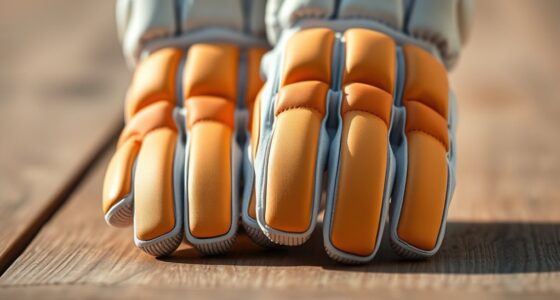
The best softball training equipment depends on whether you want to improve hitting, pitching, or repeatable practice at home. I’d start with the PowerNet 7 x 7 ft Practice Net as the best overall pick for its broad use across hitting and pitching, while the Tanner Tee is a standout for focused swing work and the GoSports Weighted Training Softballs suit strength drills. The main tradeoff is between versatile setups that take more room and compact tools that train a narrower skill. I compare all 14 options by practice value, setup, versatility, and the limits buyers should expect. Read on for picks by training goal and a guide to choosing the right equipment.

Get sports gear delivered free with Prime
- Fast, free delivery on millions of items
- Prime Video, Amazon Music and more included
- Member-only deals all year
Complete the kit


Key Takeaways
- The PowerNet practice net earns the best overall role because a full-size net supports more than one kind of practice; smaller swing tools cost less but have narrower uses.
- The Tanner Tee is the most direct choice for repeatable hitting mechanics, while the Bandit Popper adds a ball-return style drill at the cost of being a more specialized setup.
- The GoSports weighted softballs and weighted baseballs are not interchangeable for softball-specific practice; buyers should match the ball to the sport and follow suitable training guidance.
- The ZONLOLO and 7×7 ft bundled net sets combine several accessories, which can reduce separate purchases but may take longer to set up and store than a single training tool.
- Pitchers have dedicated options in the elastic straps and Christie Ambrose trainer, but neither replaces feedback from a coach or a complete throwing program.
| GoSports 16 oz Weighted Training Baseballs, 6 Pack |  | Best for Strength and Mechanics Work | Weight: 16 oz each | Quantity: 6 | Diameter: 2.8 inches | VIEW LATEST PRICE | See Our Full Breakdown |
| ZONLOLO 6 × 6 ft Baseball and Softball Practice Net with Batting Tee and Strike Zone |  | Best Compact Net Setup | Net size: 6 × 6 ft | Frame material: Steel | Included accessories: Batting tee and adjustable strike zone | VIEW LATEST PRICE | See Our Full Breakdown |
| 7×7 Ft Baseball and Softball Training Net with Batting Tee, Strike Zone Target, Portable Hitting and Pitching Practice Set |  | Best Portable All-Around Set | Net size: 7 × 7 ft | Frame material: Steel | Included components: Net, adjustable batting tee, strike-zone target, ground stakes, carry bag | VIEW LATEST PRICE | See Our Full Breakdown |
| BAGAIL 7×7 ft Baseball & Softball Training Net |  | Best Complete Net Kit | Net size: 7 × 7 ft | Mesh: 7-ply knotless polyester | Frame: Heavy-duty steel rod with reinforced fiberglass tubes | VIEW LATEST PRICE | See Our Full Breakdown |
| Kivan Base 8-Piece Swing Disk Baseball Swing Trainer, 7 Inch |  | Best for Compact Swing Drills | Quantity: 8 swing disks | Disk diameter: 7 inches | Material: Silicone | VIEW LATEST PRICE | See Our Full Breakdown |
| PowerNet 7 x 7 ft Baseball and Softball Practice Net |  | Best for All-Around Practice | Dimensions: 7 x 7 ft | Practice surface: 49 sq. ft. | Frame: Steel | VIEW LATEST PRICE | See Our Full Breakdown |
| 2-Pack Elastic Baseball/Softball Pitcher Training Straps with Leg Wrap Protective Design |  | Best for Pitching Mechanics | Quantity: 2 pieces | Dimensions: 50 x 8.5 cm each (approximately 19.68 x 3.34 in) | Material: Premium elastic fabric | VIEW LATEST PRICE | See Our Full Breakdown |
| Adjustable Baseball and Softball Swing Trainer with 4 Resistance Bands |  | Best for Adjustable Resistance Drills | Adjustable height: 31–43 inches | Resistance levels: 4 | Weight: 17 lb | VIEW LATEST PRICE | See Our Full Breakdown |
| Bandit Sports Tee Popper Batting Tee with Popper Ball |  | Best for Solo Pop-Up Hitting | Maximum pop-up height: 46 inches | Construction: Glass-infused nylon with reinforced spring | Included: 1 Popper Ball | VIEW LATEST PRICE | See Our Full Breakdown |
| Tanner Tee The Original Adjustable Batting Tee for Baseball and Softball |  | Best for Traditional Tee Work | Height range: 26–43 inches | Shaft: Steel | Top: Flexible rubber Flextop | VIEW LATEST PRICE | See Our Full Breakdown |
| Baseball/Softball Batting Swing Trainer – 10.5ft with Hook & Ball |  | Best for Solo Timing Practice | Rope length: 10.5 ft (3.2 m) | Hook material: Steel | Ball type: High-density foam | VIEW LATEST PRICE | See Our Full Breakdown |
| Christie Ambrose’s Softball Pitching Trainer, 11-Inch, White |  | Best for Learning Pitch Grips | Brand: S.C. Products, Inc. | Model number: SPT105011-Inch | Size: 11 in | VIEW LATEST PRICE | See Our Full Breakdown |
| GoSports 16 oz Weighted Training Softballs, 6-Pack |  | Best for Weighted Mechanics Drills | Quantity: 6 balls | Weight: 16 oz each | Diameter: 3.82 in | VIEW LATEST PRICE | See Our Full Breakdown |
| SKLZ Hurricane Baseball and Softball Swing Trainer | 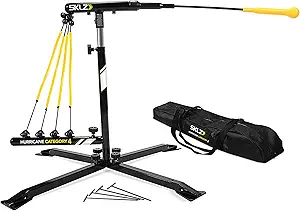 | Best Freestanding Swing Trainer | Adjustable height: 23–38 in | Weight: 37 lb | Power bands: 4 | VIEW LATEST PRICE | See Our Full Breakdown |
More Details on Our Top Picks
GoSports 16 oz Weighted Training Baseballs, 6 Pack
For softball players building throwing strength or working on deliberate swing mechanics, these six 16-ounce balls offer a focused alternative to collecting hits with a net. Their heavier feel encourages controlled repetitions, while the durable casing is suited to regular practice. Compared with the Kivan Base Swing Disks, this set is more relevant to throwing and weighted-ball drills; the disks target swing path and contact timing without adding the same load. That load is also the main tradeoff: players need to follow an appropriate progression, since jumping straight into heavy repetitions can make the set a poor fit for younger athletes or anyone who needs ordinary game-ball feedback. The description gives no age guidance, so supervision and sensible use matter.
Pros:- Six balls support repeated drills or shared practice
- 16-ounce weight suits controlled strength and mechanics work
- Durable casing is described for frequent practice
- Listed for both baseball and softball training
Cons:- Heavier feel may require a gradual, supervised progression
- Limited-flight design is less suited to long-distance throws
- Does not provide the target or ball-catching setup of a practice net
Best for: Softball players with coach-guided strength and mechanics sessions who want several weighted balls for repeated drills
Not ideal for: Young beginners or players seeking realistic game-ball flight and everyday hitting practice
- Weight:16 oz each
- Quantity:6
- Diameter:2.8 inches
- Material:Soft yet durable casing
- Use:Baseball and softball training
- Training focus:Hitting and throwing mechanics
Our verdict“Choose this set for supervised weighted-ball drills, and skip it if your main goal is ordinary softball hitting practice.”
ZONLOLO 6 × 6 ft Baseball and Softball Practice Net with Batting Tee and Strike Zone
The 6 × 6-foot footprint makes this a space-conscious way to combine tee work with pitching or throwing practice. The included batting tee and adjustable strike zone give it more drill variety than the Kivan Base disks, which are compact swing aids rather than a ball-catching station. It also assembles without tools and is described for indoor or outdoor use, so it suits players who want a setup they can move between practice spots. The smaller target area is the compromise: compared with the 7 × 7-foot BAGAIL net, it leaves less room to catch off-center hits. The product description also gives no warranty or replacement-part details, which may matter to buyers expecting long-term team use.
Pros:- Combines batting, pitching, and throwing practice
- Includes a batting tee and adjustable strike zone
- Tool-free setup supports portable practice
- Specified for indoor or outdoor use
Cons:- Six-foot frame offers less catching area than the BAGAIL 7 × 7-foot net
- Warranty and replacement-part details are not provided
- Balls and bat are not listed among the included accessories
Best for: Players practicing in a garage, small yard, or shared space who want a net, tee, and strike-zone target in one setup
Not ideal for: Teams or frequent hitters who want a larger catching area and clear warranty or replacement-part information
- Net size:6 × 6 ft
- Frame material:Steel
- Included accessories:Batting tee and adjustable strike zone
- Setup:Tool-free assembly
- Use:Baseball and softball
- Environment:Indoor or outdoor
Our verdict“Pick this net when space is tight and you want tee and target drills together, but choose a larger frame for more forgiveness on hits.”
7×7 Ft Baseball and Softball Training Net with Batting Tee, Strike Zone Target, Portable Hitting and Pitching Practice Set
This 7 × 7-foot practice set balances a useful catching area with the gear needed for both tee hitting and target work. It includes an adjustable tee, strike-zone target, ground stakes, and carry bag, so it covers more drill types out of the box than the compact ZONLOLO 6 × 6-foot net. Tool-free assembly and the bag also make it easier to move between home and a field. The tradeoff is the footprint: this needs a full 7 × 7-foot practice area, making it less convenient indoors than the smaller ZONLOLO. Stakes may be needed to steady it, and unlike the BAGAIL set, the listed components do not include a ball. Bring your own bat and practice balls.
Pros:- Includes net, adjustable tee, strike-zone target, stakes, and carry bag
- Seven-foot frame gives more catching area than the ZONLOLO 6 × 6-foot net
- Tool-free assembly supports setup at different practice locations
- Designed for baseball and softball drills
Cons:- Requires a 7 × 7-foot practice area
- Ground stakes may be needed for stability
- Balls and bat are not included
Best for: Softball players or families who want one portable setup for tee work, hitting, and pitching practice at home or on the field
Not ideal for: Apartment or garage users with limited floor space, or buyers expecting balls and a bat in the package
- Net size:7 × 7 ft
- Frame material:Steel
- Included components:Net, adjustable batting tee, strike-zone target, ground stakes, carry bag
- Target:Yellow strike-zone target
- Assembly:Tool-free
- Use:Baseball and softball training
- Portability:Carry bag included
Our verdict“Choose this portable set for varied softball drills across home and field sessions if you have room for its seven-foot frame.”
BAGAIL 7×7 ft Baseball & Softball Training Net
The BAGAIL stands out among the net options for the detail and breadth of its listed kit: a 7-ply knotless polyester net, adjustable tee, two strike-zone targets, baseball, stakes, and carry bag. That makes it a more ready-to-practice package than the 7 × 7-foot net set that does not list a ball, while the ball-collection pocket is aimed at reducing time spent retrieving hits. Its stated setup time of under two minutes is appealing for players who do not want a permanent installation. The size remains the same seven-foot commitment, so it offers no space advantage over the other full-size net. Stakes may also be necessary in wind, and the listed baseball does not replace softball practice balls.
Pros:- Kit includes adjustable tee, two strike-zone targets, baseball, stakes, and carry bag
- Seven-ply knotless polyester mesh is specified for repeated hits and throws
- Ball-collection pocket can reduce retrieval breaks
- Tool-free setup is listed as taking under two minutes
Cons:- Seven-foot footprint can be awkward in small indoor spaces
- Ground stakes may be needed in windy conditions
- Included ball is a baseball, so softball players may need their own practice balls
Best for: Families or coaches who want a full-size net kit with a tee, targets, stakes, and a ball included
Not ideal for: Players with a small indoor practice area or softball buyers who expect softball balls to be included
- Net size:7 × 7 ft
- Mesh:7-ply knotless polyester
- Frame:Heavy-duty steel rod with reinforced fiberglass tubes
- Included accessories:Adjustable batting tee, two strike-zone targets, baseball, four ground stakes, carry bag
- Setup:Tool-free; under 2 minutes
- Ball collection:Collection pocket
- Suitable sports:Baseball, softball, cricket, and hockey
- Environment:Indoor and outdoor
Our verdict“Choose BAGAIL for the most fully equipped listed net kit, provided you have space and will supply softball balls.”
Kivan Base 8-Piece Swing Disk Baseball Swing Trainer, 7 Inch
These eight silicone swing disks offer a compact way to work on timing, contact point, and swing path without setting up a full net. That gives them a different role from the BAGAIL 7 × 7-foot kit: BAGAIL catches balls and includes a tee, while the Kivan Base set focuses on repeatable swing drills and is small enough for indoor or outdoor sessions. The 7-inch disks are lightweight and can support varied practice, though they do not provide the same ball flight or feedback as hitting a regulation softball into a net. Buyers should also weigh the limited review history noted in the supplied product information. This is a mechanics aid for focused repetitions, rather than a stand-alone replacement for live hitting practice.
Pros:- Eight disks allow varied repetitions and drills
- Silicone construction is lightweight
- Listed for indoor and outdoor use
- Targets swing mechanics, timing, and hand-eye coordination
Cons:- Does not reproduce regulation softball flight or full hitting feedback
- Does not provide a net, tee, or strike-zone target
- Product information notes limited customer-review history
Best for: Softball hitters who want a lightweight, space-saving aid for swing-path and timing repetitions at home
Not ideal for: Players who need realistic ball contact, pitching practice, or a net to contain full swings with balls
- Quantity:8 swing disks
- Disk diameter:7 inches
- Material:Silicone
- Color:Multi-color
- Package dimensions:7.95 × 7.48 × 2.2 inches
- Package weight:0.43 kg
- Warranty:1-year manufacturer warranty
- Model:SDBST-08
Our verdict“Pick these disks for compact swing-mechanics practice, and pair them with a net or tee when you need ball-contact drills.”
PowerNet 7 x 7 ft Baseball and Softball Practice Net
The 7 x 7 ft practice surface gives this net a broader role than a swing-only trainer: a softball player can use it for hitting, pitching, or fielding practice. Compared with the ZONLOLO 6 × 6 ft Practice Net, its larger stated area offers more room to catch errant throws, while the ZONLOLO listing includes a batting tee and strike zone. The steel frame, flexible fiberglass poles, and knotless polyester netting make it a portable setup, and the no-tool assembly is listed at under two minutes. The tradeoff is that the larger net still needs suitable space, and the description does not confirm whether a ball caddy, weighted balls, or tee are included. Outdoor users may also need the ground stakes for stability.
Pros:- 49-square-foot surface supports several kinds of practice
- Sets up in under two minutes without tools
- Folds into a carry bag with shoulder strap
- Designed for indoor and outdoor use
Cons:- Outdoor stability may depend on using the ground stakes
- The description does not confirm whether a tee, ball caddy, or weighted balls are included
Best for: Softball players or families who want one portable net for hitting, pitching, and fielding drills.
Not ideal for: Buyers seeking a complete net-and-tee kit or a compact setup for tight practice spaces.
- Dimensions:7 x 7 ft
- Practice surface:49 sq. ft.
- Frame:Steel
- Poles:Flexible fiberglass
- Netting:Knotless polyester
- Setup time:Under 2 minutes; no tools required
- Included accessories:Ground stakes and carry bag with shoulder strap
- Use:Indoor and outdoor baseball and softball practice
Our verdict“Choose this net if you want a roomy, quick-to-set-up target for varied softball drills and already have the practice accessories you need.”
2-Pack Elastic Baseball/Softball Pitcher Training Straps with Leg Wrap Protective Design
These two elastic leg-wrap straps target pitching mechanics rather than general throwing volume. The stated aim is to give feedback on arm angle, wrist snap, and release point, making this a more technique-focused choice than the PowerNet 7 x 7 ft Practice Net, which catches throws but does not guide a pitcher’s movement. Each strap folds down for transport and is made from soft, breathable stretch fabric, so it can fit easily into a practice bag for field drills. The limitation is that the listing gives no sizing adjustment or player-fit range; buyers should not assume one size works for everyone. It also may be hard for a young pitcher to interpret the feedback without a coach familiar with these drills.
Pros:- Designed to give immediate feedback during pitching drills
- Targets arm angle, wrist snap, and release point
- Soft, breathable, stretchable fabric
- Two foldable straps are easy to carry and store
Cons:- No sizing adjustment or fit range is specified
- Feedback may be difficult to interpret without coaching knowledge
Best for: Softball pitchers working on arm path and release mechanics with guidance from a coach or experienced instructor.
Not ideal for: Players who need adjustable sizing, general strength training, or a pitching aid that explains corrections on its own.
- Quantity:2 pieces
- Dimensions:50 x 8.5 cm each (approximately 19.68 x 3.34 in)
- Material:Premium elastic fabric
- Design:Leg-wrap protective strap
- Foldable:Yes
- Drill focus:Arm angle, wrist snap, and release point
Our verdict“Pick these straps for focused pitching-mechanics practice when you can confirm the fit and have someone who can help interpret the feedback.”
Adjustable Baseball and Softball Swing Trainer with 4 Resistance Bands
Four resistance levels and a 31–43 inch height range let this trainer change with a player’s strength and swing position. That makes it more adaptable for progressive resistance work than the Tanner Tee Original, which holds a ball for conventional tee swings but does not list resistance settings. Its target ball resets after contact, so a player can repeat swings without a partner resetting it each time. At 17 lb, though, this is a less convenient option to haul around than a simple batting tee, even with the included carry bag. The three-leg base and ground nails are intended to hold it steady, but the nails limit where it can be secured, making this a better fit for a designated outdoor practice spot than for every surface.
Pros:- Four resistance levels support progression across training needs
- Adjustable 31–43 inch height accommodates varied ball positions
- Target resets automatically after contact
- Carry bag and three ground nails are included
Cons:- At 17 lb, it is heavier to transport than a basic batting tee
- Ground nails restrict secure use on some practice surfaces
Best for: Players who want repeatable, adjustable resistance swings and can practice on a surface where the base can be secured.
Not ideal for: Players who need a lightweight tee for frequent transport or mostly train on hard surfaces where ground nails cannot be used.
- Adjustable height:31–43 inches
- Resistance levels:4
- Weight:17 lb
- Materials:Rubber and stainless steel
- Base:Three-leg base
- Included items:Trainer, 3 ground nails, carry bag, and instruction manual
- Warranty:1 year
Our verdict“Choose this trainer for repeatable resistance swings if its weight and ground-anchor requirements suit your practice location.”
Bandit Sports Tee Popper Batting Tee with Popper Ball
The pop-up ball delivery gives solo hitters a different kind of repetition from a standard tee: after loading the compatible ball, players can practice timing without a pitcher or partner. Its listed pop-up height reaches 46 inches, while the Tanner Tee Original holds a ball at a manually chosen height from 26 to 43 inches. That makes the Bandit more appealing for players who want a repeatable pop-up drill, but less versatile for conventional tee work. The glass-infused nylon body and reinforced spring are designed for durability, and one Popper Ball is included. The key tradeoff is compatibility: real baseballs may damage the holder, so softball buyers should check that they have compatible Popper Balls before counting on regular practice sessions.
Pros:- Supports solo batting practice without a pitcher or partner
- Pops the ball up to 46 inches
- Glass-infused nylon and reinforced spring are designed for durability
- Includes one compatible Popper Ball
Cons:- Real baseballs may damage the ball holder
- Practice depends on access to compatible Popper Balls
Best for: Softball players who want a solo pop-up hitting drill and are prepared to use compatible Popper Balls.
Not ideal for: Players seeking a conventional adjustable tee or those who need to practice with real baseballs or ordinary softballs.
- Maximum pop-up height:46 inches
- Construction:Glass-infused nylon with reinforced spring
- Included:1 Popper Ball
- Intended use:Baseball and softball batting practice
- Ball compatibility:Designed for Popper Balls; real baseballs may damage the holder
- Practice style:Solo pop-up hitting
Our verdict“Buy this for a dedicated solo pop-up drill if compatible balls are easy for you to source.”
Tanner Tee The Original Adjustable Batting Tee for Baseball and Softball
The 26–43 inch height range makes the Tanner Tee a straightforward choice for players who need to work through different pitch locations with a stationary ball. Its flexible rubber Flextop is intended to provide a more realistic hitting feel than a rigid contact point, while the steel shaft and weather-resistant composite base suit recurring practice. Compared with the Bandit Sports Tee Popper, this tee supports conventional placement and swing-path drills instead of pop-up timing, so it fits a broader set of standard batting routines. Its tradeoff is that it does not provide automatic ball delivery or resistance; each ball must be placed by the hitter or a partner. The listing also gives no base dimensions or weight, so portability and stability are harder to gauge from the supplied specs.
Pros:- Height adjusts from 26 to 43 inches
- Steel shaft is suited to frequent practice
- Flexible Flextop is designed for a realistic hitting feel
- Weather-resistant composite base supports outdoor use
Cons:- Does not automatically deliver or reset the ball
- Base weight and dimensions are not specified in the supplied product data
Best for: Softball players, families, and coaches who want a traditional adjustable tee for repeatable contact and swing-path practice.
Not ideal for: Hitters seeking automatic ball resets, resistance training, or a tee with clearly stated weight and base measurements.
- Height range:26–43 inches
- Shaft:Steel
- Top:Flexible rubber Flextop
- Base:Weather-resistant composite
- Sport:Baseball and softball
- Training type:Stationary-ball batting practice
Our verdict“Choose the Tanner Tee for conventional, adjustable softball tee work when you are comfortable placing each ball by hand.”
Baseball/Softball Batting Swing Trainer – 10.5ft with Hook & Ball
I’d choose this trainer for a hitter who wants quick, repeatable swings without a partner feeding balls. Its 10.5-foot rope and high-visibility foam ball make it a compact alternative to larger setups such as the SKLZ Hurricane, which provides a more structured target but weighs 37 pounds. Here, the appeal is portability and simple repetition: hook it to a fence, pole, or tree and work on timing and hand-eye coordination. That setup does depend on finding a secure anchor, and the foam ball won’t feel or respond like a regulation softball. I’d rank it as a focused, low-fuss option for swing practice, rather than a full hitting station for players who need realistic ball contact.
Pros:- Allows solo timing and hand-eye practice without a pitching partner
- 10.5-foot rope provides room for a swing while keeping the setup compact
- Steel hook supports attachment to a range of suitable anchors
- Foam ball is suited to practice in indoor or outdoor spaces
Cons:- Foam ball does not reproduce the feel or response of a regulation softball
- Practice depends on access to a secure anchor point
Best for: Players who want short solo swing sessions at a park or backyard with a sturdy fence, pole, or tree nearby
Not ideal for: Hitters who need realistic ball flight or contact feedback, or who lack a dependable place to attach the trainer
- Rope length:10.5 ft (3.2 m)
- Hook material:Steel
- Ball type:High-density foam
- Setup:Hooks onto a fence, pole, or tree
- Use:Indoor or outdoor
- Practice focus:Timing, hand-eye coordination, and swing accuracy
Our verdict“Pick this for portable solo timing work if you have a reliable anchor and can accept foam-ball feedback.”
Christie Ambrose’s Softball Pitching Trainer, 11-Inch, White
This trainer earns a place for pitchers who need a visual guide to finger placement, especially when learning several pitch styles. The color-coded markings and included booklet offer more grip-specific instruction than the GoSports 16 oz Weighted Training Softballs, which focus on mechanics and strength through resistance. That makes the Christie Ambrose trainer a more targeted teaching aid, but it does not replace throwing sessions: players still need repetition to turn a marked grip into reliable control. Product details give little information about material durability or weight, so I would not choose it for a high-volume practice program without checking those points. Its clearest use is learning and reviewing grips for either hand, rather than broad conditioning or batting work.
Pros:- Color-coded finger markings distinguish pitch grip positions
- Designed to support both left- and right-handed pitchers
- Includes an instructional booklet for guided grip practice
Cons:- Does not provide the strength and mechanics focus of weighted softballs
- Material durability and weight are not specified in the product details
- Grip markings alone cannot build pitching control without repeated throwing practice
Best for: Youth or adult pitchers who want a visual reference for learning pitch grips and can pair it with regular throwing practice
Not ideal for: Players seeking a weighted conditioning ball, a durable high-volume training tool, or detailed weight and material specifications before buying
- Brand:S.C. Products, Inc.
- Model number:SPT105011-Inch
- Size:11 in
- Color:White
- Sport:Softball
- Item count:1
- Included instruction:Instructional booklet
- Grip guidance:Color-coded markings for pitch styles
- Handedness:For left- and right-handed pitchers
Our verdict“Choose it as a grip-learning aid for pitchers, not as a substitute for throwing practice or conditioning.”
GoSports 16 oz Weighted Training Softballs, 6-Pack
I’d pick this six-pack for players who want a repeatable way to work on controlled batting or pitching mechanics with added resistance. Each ball weighs 16 ounces, so the set is aimed at strength and follow-through practice rather than ordinary game-speed repetition. The limited-flight design also makes it more backyard-friendly than full-distance hitting, while the six-ball quantity supports a sequence of drills without constant retrieval. Compared with the Christie Ambrose’s Softball Pitching Trainer, these balls offer less grip instruction but broader use across batting and pitching drills. The tradeoff is that the extra weight calls for a slower, form-focused approach; players who simply want realistic game-ball reps may prefer standard softballs.
Pros:- Six-ball set supports repeated drills with less interruption for retrieval
- 16-ounce weight adds resistance for mechanics and follow-through work
- Limited flight makes backyard practice more manageable
- Soft, durable shells are suited to repeated training use
Cons:- Weighted balls call for slower, form-focused repetitions rather than ordinary game-speed swings
- Added resistance may not suit players seeking regulation-weight ball practice
Best for: Softball players and coaches who want several limited-flight balls for deliberate batting or pitching mechanics sessions
Not ideal for: Players focused on full-speed game simulation or realistic regulation-ball feel, since these are deliberately weighted for controlled practice
- Quantity:6 balls
- Weight:16 oz each
- Diameter:3.82 in
- Flight:Limited-flight design
- Shell:Soft, durable casing
- Practice focus:Batting and pitching mechanics, strength, and follow-through
Our verdict“Buy this set for controlled strength and mechanics drills when a heavier ball is part of the training plan.”
SKLZ Hurricane Baseball and Softball Swing Trainer
The SKLZ Hurricane is the most structured swing station in this group: its adjustable 23–38-inch height and four power bands let hitters work at different ball positions and resistance levels. That gives it a broader setup than the 10.5ft Batting Swing Trainer with Hook & Ball, which is easier to attach and carry but relies on an anchor and a hanging foam ball. The Hurricane’s steel frame, screw-in legs, stakes, and carry bag support practice on multiple surfaces, though the 37-pound weight makes moving it between locations a real commitment. It is also dedicated to hitting practice, so pitchers or players wanting general-purpose equipment should look elsewhere. I’d favor it for a home practice area where repeatable swing mechanics matter more than light transport.
Pros:- Four power bands allow swing work at different resistance levels
- Height adjusts from 23 to 38 inches to vary ball position
- Steel frame and included stakes support practice on multiple surfaces
- Carry bag helps with storage and transport
Cons:- At 37 pounds, it is heavy to move regularly
- Designed for hitting mechanics rather than general-purpose training
Best for: Hitters who have a regular backyard or field practice spot and want adjustable resistance and ball height in a dedicated swing station
Not ideal for: Players who need a lightweight, quick-to-carry trainer or equipment that supports pitching and broader softball drills
- Adjustable height:23–38 in
- Weight:37 lb
- Power bands:4
- Frame material:Steel
- Included accessories:Metal stakes and carry bag
- Sport:Baseball and softball
- Practice focus:Swing mechanics and power
Our verdict“Choose the Hurricane for a stable, adjustable hitting station if you can accommodate its weight and dedicated use.”
How We Picked
I ranked these products by how directly they support softball practice, how many useful drills they allow, and how manageable they appear for home or team use. For nets and tee systems, I weighed practice area, included components, portability, and whether the setup supports repeatable reps. For weighted balls, swing trainers, and pitching aids, I considered the skill each tool targets and how narrow that use is.
The order favors equipment that can serve more players or practice goals without creating unnecessary setup or storage demands. A specialized tool can still be the better pick when it addresses a clear need, such as swing-path feedback or pitching mechanics. I also considered likely tradeoffs: bundled accessories may add convenience but not guarantee better quality, and resistance or weighted equipment calls for sensible progression and coaching. Product-specific durability and fit can vary, so buyers should confirm dimensions, included parts, and intended use before purchasing.
Factors to Consider When Choosing Softball Training Equipment
Before choosing softball training equipment, I’d start with the practice you can repeat consistently, then match the tool to that routine. The right purchase depends on space, player age and experience, coaching access, and whether you need feedback or simply a safe place to take reps.
Match the Tool to One Training Goal
Decide whether the priority is hitting contact, swing mechanics, pitching motion, or general strength before comparing features. A net catches balls but does not tell a hitter whether the swing path was sound; a trainer may provide a cue but little realistic ball flight. Buyers often overvalue equipment that claims to do several things when they only need help with one repeatable drill. For a team or shared household, a multi-use net may justify its footprint. For an individual correcting a specific mechanic, a focused tool can be easier to use often. Write down the drill you expect to do several times a week and choose equipment that supports it directly.
Measure the Practice Area and Storage Space
Measure the available width and depth, including the room needed for a full swing and a safe distance behind the net. A seven-foot net can be useful at home, but the frame and ball return may need extra clearance beyond the listed net size. Also think about where the equipment goes between sessions: a portable frame that is difficult to fold or store can discourage regular practice. Check whether setup requires stakes, a level surface, or a helper. In shared yards, account for neighbors, windows, and the direction stray balls could travel. A compact trainer may produce fewer types of reps, yet be the better purchase when space limits full swings.
Choose Feedback That Helps You Self-Correct
Some equipment creates a target, rebound, or resistance cue, while other tools mainly provide repetition. Those cues are useful only if the player understands what a good rep should feel or look like. A beginner may get more from a coach, video review, or simple target than from several specialized aids at once. Avoid buying multiple swing trainers that all try to correct the same part of the motion. For pitching, a strap or trainer can reinforce a drill but cannot judge arm health, accuracy, or mechanics on its own. Choose one source of feedback and a clear way to track whether the practice is helping.
Treat Weighted and Resistance Tools as Progression Equipment
Weighted balls and resistance bands change the load of a drill, so they are not automatically a shortcut to more power. The appropriate load and volume depend on age, strength, experience, and the movement being trained. Start with the maker’s instructions and a coach’s guidance, especially for young players or anyone returning from an injury. Stop if a drill causes pain rather than ordinary effort. A common mistake is to use heavier equipment with poor mechanics and repeat the mistake at higher effort. If no qualified person can guide the progression, a standard ball and low-resistance mechanics work may be a safer starting point.
Compare the Full Cost of a Setup
A bundled net may include a tee or strike zone, but check whether those pieces are durable, adjustable, and suitable for the player’s size. A lower-priced frame may require replacement netting, extra stakes, or a separate carrying bag. At the other end, a premium tee or trainer makes sense only if its adjustment range and construction match frequent use. Consider replacement parts and how quickly the equipment can be reset between reps. If several players will share it, sturdiness and adjustability may matter more than a small savings at checkout. Compare the complete practice setup you need rather than the headline price of one item.
Frequently Asked Questions
Should I buy a practice net or a batting tee first?
I’d choose a tee first if the main goal is controlled contact practice and you already have a safe way to hit balls. A net becomes the higher priority when it makes practice possible in a limited space or when you want to contain balls during hitting and pitching drills. Check whether the tee and net are included together before buying separate pieces. A tee alone does not catch missed balls, and a net alone does not provide a consistent contact point. If budget allows only one purchase, buy the tool that removes the biggest obstacle to practicing regularly.
Can softball players use baseball training equipment?
Some nets and general swing trainers are designed for both sports, but balls, tee height, and drill demands can differ. Confirm that the equipment is sized and rated for softball use, especially when the product name emphasizes baseball. Weighted baseballs should not be treated as a substitute for weighted softballs in sport-specific work. A tool can still be useful for general movement practice, but the player should use softball-sized equipment when practicing ball contact. When product details are unclear, check the manufacturer’s specifications before ordering.
Are weighted training softballs suitable for young players?
They may be appropriate for some players, but age alone does not determine whether a weighted-ball drill is suitable. The player’s skill, strength, throwing or hitting mechanics, and training volume all matter. I’d ask a qualified coach to set the load and repetitions before adding weighted balls to a youth routine. These balls are best viewed as one part of a planned progression, not a replacement for normal softball practice. If the player has pain, recent injury, or uncertain mechanics, stick with standard-ball work until a coach or clinician advises otherwise.
What should I prioritize for a small backyard or garage?
Start with the usable swing area, ceiling height, and distance to walls or windows. A full net can contain balls, but it still needs enough space for a safe swing and room to assemble the frame. Compact swing trainers and tee drills can fit more easily, though they offer fewer realistic ball-flight reps. In a garage, consider ceiling clearance and whether hard surfaces could cause unpredictable rebounds. Choose a setup that can be put away quickly if the space has another daily use. If a full swing cannot be made safely, skip it regardless of how compact the product claims to be.
When is it worth paying more for a premium tee or net?
Pay more when the equipment will see frequent use by multiple players, needs repeated adjustment, or must withstand regular transport. Sturdy construction and replaceable parts can matter more over time than extra accessories in a bundle. For occasional solo practice, a simpler model may cover the same core drill at a lower cost. Compare adjustment range, frame stability, setup time, and replacement availability rather than relying on the word premium. If the more expensive option does not improve the routine you actually plan to do, the added cost may not pay off.
Conclusion
For the broadest home practice setup, I’d choose the PowerNet 7 x 7 ft Practice Net as best overall, while buyers wanting more included pieces can compare the ZONLOLO and 7×7 ft bundled net set. The Tanner Tee is my best value direction for focused hitting practice, and beginners may prefer a simple tee or net routine before adding weighted or resistance tools. For a premium swing-training focus, the SKLZ Hurricane stands apart as a dedicated system, though its specialized format is not for every player. Pitchers should look at the Christie Ambrose trainer or elastic straps for targeted drills, while strength-focused players can compare the GoSports weighted softballs with softball-specific coaching guidance. Pick the option that fits your practice space and one clear training goal, then build the routine around it.
NFL season / tailgating Picks
team gear
As an affiliate, we earn on qualifying purchases.