

Choosing the best Delphi programming software involves balancing features, usability, and project scope. The top pick, Delphi Pascal Programming, excels in efficient code editing and debugging, making it ideal for experienced developers. For those focusing on learning, The Little Book of Delphi Programming offers a beginner-friendly approach. Meanwhile, Modern Application Development with Delphi delivers versatile tools for desktop, API, and ORM projects. Readers face tradeoffs between ease of use, depth of features, and pricing. Continue reading for a detailed comparison to find the best fit for your Delphi development needs.

Get sports gear delivered free with Prime
- Fast, free delivery on millions of items
- Prime Video, Amazon Music and more included
- Member-only deals all year
Complete the kit


Key Takeaways
- Top-ranked products balance advanced features with user-friendliness, catering to both novice and expert developers.
- Cross-platform capabilities are a key differentiator among the best Delphi tools, especially FireMonkey-based options.
- Pricing varies widely, with some products focusing on comprehensive learning resources, while others prioritize professional-grade features.
- The inclusion of debugging and visual design tools significantly impacts productivity and ease of development.
- Products with strong community support and extensive documentation tend to be better long-term investments.
| Delphi Pascal Programming: Efficient Code Editing, Visual Designing, and Integrated Debugging |  | Best for Beginners and Intermediate Developers | Target Audience: Beginners and intermediate developers | Focus Areas: Code editing, visual design, debugging | Edition Info: Not specified | VIEW LATEST PRICE | See Our Full Breakdown |
| Professional Delphi Programming – Book 1: Designing Fast, Scalable, High-Performance Applications with Object Pascal |  | Best for Experienced Delphi Developers Focused on Performance | Skill Level: Advanced | Focus Areas: Performance, scalability, high-performance architecture | Content Depth: Deep technical guidance | VIEW LATEST PRICE | See Our Full Breakdown |
| The Little Book of Delphi Programming: Learn to Program with Object Pascal |  | Best for Complete Beginners | Target Audience: Beginners | Content Focus: Fundamentals, core concepts, practical examples | Advanced Topics: Not included | VIEW LATEST PRICE | See Our Full Breakdown |
| Delphi GUI Programming with FireMonkey |  | Best for Cross-Platform GUI Developers | Framework Focus: FireMonkey | Application Type: Cross-platform GUI applications | Content Scope: GUI design and techniques | VIEW LATEST PRICE | See Our Full Breakdown |
| Modern Application Development with Delphi (Color Print): Learn to Develop Desktop Applications, APIs, and ORMs | 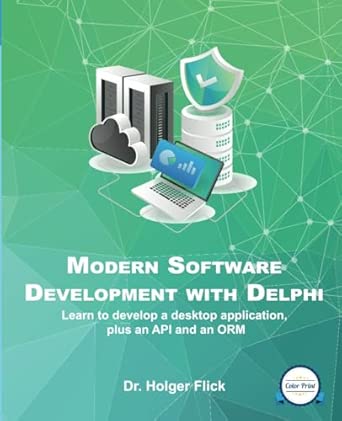 | Best for Developers Wanting a Modern Approach | Focus Areas: Desktop applications, APIs, ORMs | Print Quality: Color | Intended Audience: Developers seeking modern development techniques | VIEW LATEST PRICE | See Our Full Breakdown |
| Delphi in Depth: FireDAC |  | Best for Database Optimization and Deep Technical Knowledge | Focus Area: FireDAC database library | Content Type: In-depth technical guide | Target Audience: Intermediate to advanced Delphi programmers | VIEW LATEST PRICE | See Our Full Breakdown |
| Borland Delphi Programming for Beginners 2026: A Step-by-Step Guide to Building Windows, Database, and Cross-Platform Applications with Real Projects |  | Best for Beginners and Practical Learners | Focus Area: Beginner Delphi programming | Content Type: Step-by-step guide | Application Types Covered: Windows, database, cross-platform | VIEW LATEST PRICE | See Our Full Breakdown |
| Delphi in All Its Glory: FireMonkey Cross-Platform Application Programming for Android, iOS, macOS, Windows & Linux |  | Best for Cross-Platform Developers Looking for Depth | Focus Area: FireMonkey cross-platform development | Supported OS: Android, iOS, macOS, Windows, Linux | Content Depth: Advanced techniques and best practices | VIEW LATEST PRICE | See Our Full Breakdown |
| Hands-on with Delphi: Cross-platform Multi-tiered Database Applications |  | Best for Multi-tier Database Application Developers | Focus Area: Multi-tier database applications | Application Scope: Web, desktop, server | Key Technologies: REST/JSON, reporting | VIEW LATEST PRICE | See Our Full Breakdown |
| Building Desktop Tools in Lazarus: Create Utilities and Data-Driven Programs with Delphi Compatibility |  | Best for Lazarus Users and Delphi Compatibility Focus | Focus Area: Desktop utilities and data-driven apps | Compatibility: Lazarus and Delphi | Content Type: Practical programming techniques | VIEW LATEST PRICE | See Our Full Breakdown |
| Delphi Programming Explorer: Master Cutting-Edge Visual Software Development for Windows |  | Best for Visual Windows Development | Content Focus: Visual Windows application development | Target Audience: Beginners and experienced Delphi developers | Coverage: Advanced techniques and best practices | VIEW LATEST PRICE | See Our Full Breakdown |
| Coding in Delphi |  | Best for Beginners and General Developers | Content Focus: Core Delphi programming concepts and applications | Target Audience: Beginners and intermediate developers | Coverage: Fundamentals and practical applications | VIEW LATEST PRICE | See Our Full Breakdown |
| Object Pascal and Delphi Programming: Rapid Application Development with GUI Frameworks and Databases |  | Best for Rapid Application Development | Content Focus: GUI frameworks, database integration, rapid development | Target Audience: Developers building data-driven or UI-heavy apps | Coverage: Object Pascal, Delphi rapid development techniques | VIEW LATEST PRICE | See Our Full Breakdown |
| Mastering Delphi Programming: A Complete Reference Guide |  | Best for High-Performance Application Developers | Content Focus: High-performance, scalable application development | Target Audience: Experienced Delphi programmers | Coverage: Performance optimization, architecture | VIEW LATEST PRICE | See Our Full Breakdown |
| Delphi programming software | Target Audience |
|---|---|
| Delphi Pascal Programming: Eff | Beginners and intermediate developers |
| Professional Delphi Programmin | — |
| The Little Book of Delphi Prog | Beginners |
| Delphi GUI Programming with Fi | — |
| Modern Application Development | — |
| Delphi in Depth: FireDAC | Intermediate to advanced Delphi programmers |
| Borland Delphi Programming for | Beginners and hobbyists |
| Delphi in All Its Glory: FireM | Intermediate to advanced developers |
| Hands-on with Delphi: Cross-pl | — |
| Building Desktop Tools in Laza | Developers interested in cross-platform utility development |
| Delphi Programming Explorer: M | Beginners and experienced Delphi developers |
| Coding in Delphi | Beginners and intermediate developers |
| Object Pascal and Delphi Progr | Developers building data-driven or UI-heavy apps |
| Mastering Delphi Programming: | Experienced Delphi programmers |
More Details on Our Top Picks
Delphi Pascal Programming: Efficient Code Editing, Visual Designing, and Integrated Debugging
This book stands out for its comprehensive coverage of Delphi Pascal fundamentals, making it a strong choice for those new to the language or looking to solidify their understanding. Unlike The Little Book of Delphi Programming, which simplifies core concepts, this guide dives into practical debugging and visual design techniques, offering more depth for developers who want to improve their workflow. However, it lacks detailed examples in some sections and does not specify version compatibility, which could pose issues for users working with specific Delphi editions. Still, its balanced approach makes it a reliable starting point for learners seeking practical insights without overwhelming complexity.
Pros:- Covers both coding and visual design techniques comprehensively
- Includes practical tips for debugging and efficiency
- Suitable for beginners and intermediate developers
Cons:- Lacks detailed, step-by-step examples in some sections
- No information on specific Delphi versions or updates
Best for: Beginners and developers seeking a well-rounded introduction to Delphi Pascal with practical tips
Not ideal for: Advanced users or those requiring detailed version-specific guidance, since it lacks specificity on Delphi versions and advanced topics
- Target Audience:Beginners and intermediate developers
- Focus Areas:Code editing, visual design, debugging
- Edition Info:Not specified
Our verdict“This book is ideal for learners seeking a practical, beginner-friendly overview of Delphi Pascal development.”
Professional Delphi Programming – Book 1: Designing Fast, Scalable, High-Performance Applications with Object Pascal
This book makes the most sense for seasoned Delphi programmers who want to build high-performance, scalable applications using Object Pascal, offering deep insights into best practices. Compared with The Little Book of Delphi Programming, which is more beginner-oriented, this guide emphasizes advanced design techniques and optimization strategies, making it less suitable for newcomers. Its in-depth coverage suits professional developers but falls short in providing supplementary resources or detailed specifications, which might be a drawback for those seeking a more comprehensive learning package. Overall, it’s a powerful resource for developers aiming to push Delphi’s performance boundaries.
Pros:- In-depth focus on high-performance application design
- Covers scalability and optimization techniques extensively
- Tailored for professional-level Delphi development
Cons:- Lacks supplementary materials or detailed specifications
- May be too technical for beginners
Best for: Professional Delphi programmers focused on performance optimization and scalable architecture
Not ideal for: Beginners or casual hobbyists, due to its technical depth and lack of foundational content
- Skill Level:Advanced
- Focus Areas:Performance, scalability, high-performance architecture
- Content Depth:Deep technical guidance
Our verdict“This book is best suited for experienced Delphi developers seeking advanced performance and scalability techniques.”
The Little Book of Delphi Programming: Learn to Program with Object Pascal
This book offers a clear and straightforward introduction to Delphi and Object Pascal, making it ideal for complete beginners. It shares similarities with Delphi Pascal Programming but is more concise and focused on core concepts, making it easier for newcomers to grasp fundamentals quickly. Its practical examples help reinforce learning, but it doesn’t cover advanced topics or online resources, limiting its usefulness for those who want to expand beyond basics. If you’re starting from scratch, this book provides a solid foundation without overwhelming details.
Pros:- Clear and beginner-friendly explanations
- Practical examples enhance understanding
- Concise and easy to follow
Cons:- No coverage of advanced topics
- Lacks online resources or supplementary materials
Best for: Absolute beginners interested in learning Delphi and Object Pascal from scratch
Not ideal for: Experienced programmers or those seeking advanced Delphi techniques, since it stays at an introductory level
- Target Audience:Beginners
- Content Focus:Fundamentals, core concepts, practical examples
- Advanced Topics:Not included
Our verdict“This book is perfect for newcomers seeking a simple, practical guide to Delphi programming.”
Delphi GUI Programming with FireMonkey
This book excels in guiding developers through FireMonkey for cross-platform GUI development, making it suitable for those aiming to build applications across multiple operating systems. Compared with Modern Application Development with Delphi, which covers broader topics, this work concentrates specifically on GUI design and cross-platform interface techniques. Its practical examples demonstrate how to create engaging, platform-agnostic interfaces, though it falls short on detailed specifications or prerequisites, and lacks included code samples, which could hinder hands-on learning. This pick is best for developers focused on GUI design rather than backend or API development.
Pros:- Focused on FireMonkey framework for cross-platform GUIs
- Provides practical guidance for engaging interfaces
- Suitable for developers targeting multiple platforms
Cons:- Lacks detailed technical specifications or prerequisites
- No included code samples or downloadable resources
Best for: Developers interested in cross-platform GUI applications with FireMonkey
Not ideal for: Backend developers or those seeking comprehensive application architecture guidance, as it centers on GUI only
- Framework Focus:FireMonkey
- Application Type:Cross-platform GUI applications
- Content Scope:GUI design and techniques
Our verdict“This book is ideal for developers who want to master cross-platform GUI design with FireMonkey.”
Modern Application Development with Delphi (Color Print): Learn to Develop Desktop Applications, APIs, and ORMs
This book covers a broad spectrum of modern Delphi development, including desktop apps, API creation, and ORM integration, making it suitable for developers eager to implement current techniques. Unlike the more specialized Delphi GUI Programming with FireMonkey, which focuses solely on GUI design, this pick emphasizes full-stack development and modern architecture. Its color print improves readability, but the lack of specific edition details or target skill level can make it less clear whether it suits beginners or experienced developers. Overall, it’s a worthwhile resource for those wanting a comprehensive, modern Delphi toolkit, despite some ambiguity in scope.
Pros:- Covers desktop apps, API development, and ORM integration
- Color print enhances readability
- Suitable for developers looking to expand modern Delphi skills
Cons:- No specific edition or version details provided
- Lacks clear indication of target skill level
Best for: Developers aiming to learn modern desktop, API, and ORM development with Delphi
Not ideal for: Beginners or those seeking in-depth, step-by-step tutorials, due to limited detail on skill level and edition
- Focus Areas:Desktop applications, APIs, ORMs
- Print Quality:Color
- Intended Audience:Developers seeking modern development techniques
Our verdict“This book is suited for developers interested in adopting modern Delphi techniques for comprehensive application development.”
Delphi in Depth: FireDAC
This book stands out for its comprehensive exploration of FireDAC, Delphi’s core database access library. Compared with other titles like Hands-on with Delphi, which covers broader application development, this guide dives deeply into database techniques, making it ideal for developers who want to master data handling. However, its lack of detailed specs or user feedback means it’s less suitable for beginners or those seeking practical step-by-step tutorials. The focus on best practices and advanced techniques makes it an essential resource for experienced Delphi programmers aiming to optimize database performance and reliability.
Pros:- Extensive coverage of FireDAC features and capabilities
- Ideal for developers aiming to improve database efficiency
- Focus on best practices enhances real-world application performance
Cons:- Lacks detailed content overview and practical examples
- No customer reviews or ratings for validation
Best for: Delphi developers seeking advanced database programming skills and optimization techniques.
Not ideal for: Beginners or those looking for general Delphi application development guidance, as it emphasizes in-depth FireDAC features over broad topics.
- Focus Area:FireDAC database library
- Content Type:In-depth technical guide
- Target Audience:Intermediate to advanced Delphi programmers
- Format:Technical book
- Coverage:Features, techniques, best practices
- Availability:Print and digital
Our verdict“This book is best suited for experienced Delphi developers focused on mastering database access and optimization.”
Borland Delphi Programming for Beginners 2026: A Step-by-Step Guide to Building Windows, Database, and Cross-Platform Applications with Real Projects
This guide makes learning Delphi accessible through clear, step-by-step instructions and practical projects, making it ideal for newcomers. Compared with Delphi in All Its Glory, which targets more experienced developers, this book simplifies complex concepts and emphasizes foundational skills. Its focus on real-world projects helps beginners develop usable applications quickly, though the lack of updated content for the latest Delphi versions might limit its relevance for advanced or current development needs. For those starting out, this resource offers structured learning and hands-on experience in building diverse applications.
Pros:- Clear, easy-to-follow instructions for beginners
- Includes practical projects for hands-on learning
- Covers a wide range of application types, including cross-platform
Cons:- No pricing or current ratings available
- Potentially outdated content for the latest Delphi versions
Best for: New Delphi programmers seeking structured, project-based learning and foundational skills.
Not ideal for: Experienced developers or those needing advanced or up-to-date Delphi techniques, due to potential outdated content.
- Focus Area:Beginner Delphi programming
- Content Type:Step-by-step guide
- Application Types Covered:Windows, database, cross-platform
- Target Audience:Beginners and hobbyists
- Learning Approach:Practical projects
- Update Status:Potentially outdated
Our verdict“This book is ideal for newcomers who want a practical, project-oriented introduction to Delphi programming.”
Delphi in All Its Glory: FireMonkey Cross-Platform Application Programming for Android, iOS, macOS, Windows & Linux
This book excels in guiding developers through Delphi’s FireMonkey framework for creating cross-platform applications. Unlike Hands-on with Delphi, which offers broader development guidance, this title concentrates on multi-OS compatibility and best practices for FireMonkey, making it ideal for developers who want to expand their platform reach. Its detailed coverage of techniques for Android, iOS, macOS, Windows, and Linux provides the depth needed for serious cross-platform projects—though its technical density might challenge beginners. If your focus is on multi-OS development with Delphi, this book offers valuable insights and techniques.
Pros:- Covers multiple operating systems for comprehensive cross-platform development
- Deep guidance on using Delphi’s FireMonkey framework
- Suitable for developers wanting to expand multi-OS deployment skills
Cons:- No current pricing or user ratings available
- Content may be too technical for beginners
Best for: Experienced Delphi developers aiming to develop and optimize cross-platform FireMonkey applications.
Not ideal for: Beginners or those seeking simple, single-platform solutions, as the content assumes a solid understanding of Delphi and FireMonkey.
- Focus Area:FireMonkey cross-platform development
- Supported OS:Android, iOS, macOS, Windows, Linux
- Content Depth:Advanced techniques and best practices
- Target Audience:Intermediate to advanced developers
- Learning Approach:Technical guidance and best practices
- Price:Not specified
Our verdict“This book is best suited for developers with Delphi experience seeking to master cross-platform FireMonkey application development.”
Hands-on with Delphi: Cross-platform Multi-tiered Database Applications
This book provides practical guidance on building cross-platform database applications with Delphi, emphasizing multi-tier architecture, REST/JSON integration, and reporting. Compared with Delphi in Depth: FireDAC, which focuses on database access libraries, this title guides developers through designing complete multi-tier systems, making it ideal for those aiming for full-stack solutions. Its real-world examples cover web, desktop, and server components, though the absence of specific technical depth details may challenge experienced developers looking for in-depth architecture insights. For developers targeting multi-tier database projects, this resource offers valuable practical strategies.
Pros:- Practical, example-driven approach to multi-tier architecture
- Covers web, desktop, and server components comprehensively
- Focus on REST/JSON integration for modern applications
Cons:- No specific pricing or user ratings available
- Requires prior Delphi knowledge, not suitable for absolute beginners
Best for: Developers wanting practical, multi-tier database solutions in Delphi, especially with web and server integration.
Not ideal for: Beginners or those seeking basic Delphi programming tutorials, due to its focus on complex architecture and multi-tier systems.
- Focus Area:Multi-tier database applications
- Application Scope:Web, desktop, server
- Key Technologies:REST/JSON, reporting
- Target Skill Level:Intermediate to advanced
- Content Style:Practical, example-based
- Market Position:Specialized in multi-tier development
Our verdict“This book is best for experienced Delphi developers focused on building robust, multi-tier database applications with real-world scenarios.”
Building Desktop Tools in Lazarus: Create Utilities and Data-Driven Programs with Delphi Compatibility
This guide targets developers interested in creating desktop utilities and data-driven programs using Lazarus, with an emphasis on Delphi compatibility. Unlike Delphi in Depth: FireDAC, which concentrates on database access and performance, this book emphasizes practical Object Pascal techniques for utility and data tool development. Its focus on Lazarus compatibility makes it a good choice for those maintaining or porting Delphi applications to Lazarus, though it offers less technical depth and no detailed specs. This resource suits developers wanting practical, easy-to-follow examples for utility creation rather than deep technical mastery.
Pros:- Clear guidance on Lazarus and Delphi compatibility
- Practical examples for building utilities
- Focus on data-driven application development
Cons:- Lacks detailed technical specifications or depth
- No ratings or user feedback available
Best for: Lazarus developers or Delphi programmers seeking to create and adapt desktop utilities with a focus on data-driven applications.
Not ideal for: Developers seeking advanced technical guidance or comprehensive Delphi programming strategies, due to limited depth and technical detail.
- Focus Area:Desktop utilities and data-driven apps
- Compatibility:Lazarus and Delphi
- Content Type:Practical programming techniques
- Target Audience:Developers interested in cross-platform utility development
- Technical Depth:Basic to moderate
- Market Niche:Lazarus/Delphi compatibility
Our verdict“This book is best for developers who want straightforward, practical guidance on creating desktop utilities with Lazarus and Delphi compatibility.”
Delphi Programming Explorer: Master Cutting-Edge Visual Software Development for Windows
This book stands out for its detailed focus on visual software development in Delphi, making it especially valuable for developers aiming to create modern, efficient Windows applications. Compared to Mastering Delphi Programming, which emphasizes high-performance application building, this guide offers a broader look at visual techniques and best practices. Its accessible approach benefits both newcomers and seasoned programmers, though it lacks specific edition details or supplementary resources, which could limit its longevity as a reference. The comprehensive coverage of Delphi’s visual aspects makes it ideal for developers prioritizing UI and user experience.
Pros:- In-depth coverage of visual Delphi programming techniques
- Focuses on creating efficient, modern Windows applications
- Suitable for both beginners and experienced developers
Cons:- No specific edition or publication update details
- Lacks information on accompanying resources or downloadable content
Best for: Developers focused on creating sophisticated Windows GUIs with Delphi, especially those interested in visual programming techniques.
Not ideal for: Those seeking a reference on high-performance backend development or cross-platform capabilities, as this book concentrates on Windows visual design.
- Content Focus:Visual Windows application development
- Target Audience:Beginners and experienced Delphi developers
- Coverage:Advanced techniques and best practices
- Edition Info:Not specified
- Supplementary Resources:Not provided
- Language:English
Our verdict“This book is best suited for developers aiming to master Windows visual programming with Delphi, despite limited supplementary material.”
Coding in Delphi
This book offers a broad overview of Delphi programming, making it a solid choice for those new to the language or looking to deepen foundational skills. Unlike Object Pascal and Delphi Programming, which emphasizes rapid application development with GUI and database focus, this guide balances core concepts with practical applications suitable for a wide audience. Its comprehensive coverage helps both beginners and seasoned programmers refine their Delphi syntax and logic, but the lack of detailed specifications or user reviews means it might not appeal to those seeking advanced or niche topics. It’s a practical starting point that covers the essentials thoroughly.
Pros:- Comprehensive coverage of Delphi programming fundamentals
- Great for beginners and experienced programmers alike
- Practical examples enhance learning
Cons:- Lacks detailed technical specifications or updates
- No user reviews to validate content quality
Best for: Beginners or intermediate developers seeking a well-rounded introduction and practical guidance in Delphi.
Not ideal for: Experienced developers looking for advanced topics or niche application techniques, due to its general scope.
- Content Focus:Core Delphi programming concepts and applications
- Target Audience:Beginners and intermediate developers
- Coverage:Fundamentals and practical applications
- Edition Info:Not specified
- User Feedback:No reviews available
- Language:English
Our verdict“This book is ideal for developers starting out or reinforcing core Delphi skills, though it may lack depth for advanced users.”
Object Pascal and Delphi Programming: Rapid Application Development with GUI Frameworks and Databases
This book excels in guiding developers through rapid application development using Object Pascal and Delphi, with a strong focus on GUI frameworks and database integration. Compared with Mastering Delphi Programming, which emphasizes building scalable, high-performance apps, this guide prioritizes speed and ease of UI creation, making it ideal for projects with tight deadlines. Its focus on database connectivity and GUI frameworks benefits developers working on data-driven or interface-rich apps. However, the lack of detailed specifications or editions might make it less suitable for those needing in-depth technical reference or the latest Delphi features.
Pros:- In-depth coverage of GUI frameworks and database integration
- Focus on rapid application development techniques
- Practical guidance for building data-driven apps
Cons:- No detailed specifications or edition info
- Lacks user reviews or ratings for validation
Best for: Developers working on rapid, data-centric, or GUI-heavy applications needing quick turnaround.
Not ideal for: Developers seeking in-depth performance optimization or cross-platform development, as this book concentrates on rapid UI and database integration.
- Content Focus:GUI frameworks, database integration, rapid development
- Target Audience:Developers building data-driven or UI-heavy apps
- Coverage:Object Pascal, Delphi rapid development techniques
- Edition Info:Not specified
- User Reviews:None available
- Language:English
Our verdict“This book is perfect for developers prioritizing fast UI and database app creation over detailed performance tuning.”
Mastering Delphi Programming: A Complete Reference Guide
This comprehensive guide focuses on building fast, scalable, and high-performance Delphi applications, making it a valuable resource for developers working on demanding projects. Unlike Delphi Programming Explorer, which emphasizes visual development, this book dives into performance optimization and scalable architecture. It is well-suited for experienced developers seeking a deep understanding of Delphi’s core capabilities for backend and high-performance software. The absence of detailed specifications or recent reviews could limit its usefulness as a current reference, but its focus on efficiency and scalability makes it indispensable for performance-critical projects.
Pros:- Focus on building fast, scalable applications
- In-depth coverage of performance and architecture
- Suitable for experienced developers
Cons:- No detailed specifications or recent edition info
- Lacks user reviews or ratings for validation
Best for: Experienced Delphi developers aiming to create high-performance, scalable applications.
Not ideal for: Beginners or developers interested primarily in visual design or rapid prototyping, as this book emphasizes optimization and architecture.
- Content Focus:High-performance, scalable application development
- Target Audience:Experienced Delphi programmers
- Coverage:Performance optimization, architecture
- Edition Info:Not specified
- User Feedback:No reviews
- Language:English
Our verdict“This book is best suited for experienced developers wanting to master Delphi’s performance and scalability features.”

How We Picked
These products were evaluated based on their feature set, usability, performance, and suitability for different developer levels. We prioritized tools that offer comprehensive Delphi support, including visual designers, debugging, and cross-platform capabilities. Value for money was assessed by considering licensing costs and included resources such as tutorials or books. The ranking also reflects how well each product balances power with ease of use, helping both beginners and seasoned programmers. Our goal was to identify software that accelerates development while maintaining code quality and flexibility.Factors to Consider When Choosing Best Delphi Programming Software
When selecting Delphi programming software, it’s essential to consider multiple factors beyond just features. A well-chosen tool aligns with your project scope, skill level, and long-term goals. Recognizing your primary needs will prevent overspending or overcomplicating your workflow. In this guide, I cover key considerations that help you make an informed choice, ensuring your investment boosts productivity and learning.
Performance and Stability
High performance and stability are vital for large or complex projects. Look for software that handles resource-intensive applications smoothly, especially if you plan to develop enterprise-level solutions. A stable environment reduces crashes and bugs, saving time during development and testing. However, premium tools often come with enhanced optimization features, so balance your needs against your budget.
Ease of Use and Learning Curve
For newcomers, intuitive interfaces and comprehensive tutorials are essential. Tools that include visual designers and step-by-step guides can significantly shorten the learning curve. Experienced developers might prioritize advanced debugging, code completion, and customization options. Remember, overly complex software can slow progress for beginners, so choose accordingly based on your experience level.
Cross-Platform Capabilities
If your goal is to build software for multiple operating systems, prioritize tools that support FireMonkey or similar frameworks. Cross-platform development broadens your application’s reach but may introduce additional complexity. Consider whether the software provides seamless deployment and testing features across platforms, especially if you aim for mobile or Linux support.
Cost and Licensing
Pricing varies from free or low-cost books to premium IDEs with extensive features. Evaluate whether a higher price provides tangible benefits like advanced debugging or better support. Free tools might be suitable for learning or small projects but often lack enterprise features. Clear licensing terms and future upgrade paths should also factor into your decision, especially for long-term projects.
Community and Support
A vibrant community and robust documentation can dramatically improve your development experience. Access to forums, tutorials, and official support helps resolve issues faster and accelerates learning. For complex or specialized projects, having reliable support channels becomes a significant advantage, justifying higher investment in premium solutions.
Frequently Asked Questions
Is it better to choose a free Delphi software or invest in a paid version?
Free Delphi tools can be suitable for learning and small projects, offering essential features without cost. However, paid versions often include advanced debugging, visual designers, and cross-platform deployment, which can save time and improve productivity for larger, more complex applications. Your decision should depend on your project scope, budget, and whether you need professional support or additional features for scaling your development efforts.
Can I switch between different Delphi software easily?
Switching between Delphi tools can be straightforward if they adhere to common standards and support similar frameworks like FireMonkey. However, migration might require adjustments to project settings, libraries, or code structure. Choosing a widely used, well-documented platform minimizes compatibility issues, and many tools support import/export features that ease the transition. Consider future growth and the potential need to migrate when making your choice.
How important is cross-platform support for my Delphi projects?
Cross-platform support is vital if you plan to reach users on Windows, macOS, Linux, Android, or iOS. Tools that facilitate multi-platform development streamline deployment and testing, reducing the need for multiple codebases. However, they can add complexity and sometimes limit access to platform-specific features. Weigh your target audience and project requirements to decide whether investing in cross-platform capabilities justifies the extra effort.
What features should I prioritize if I am a beginner?
Beginners benefit from software that offers visual designers, step-by-step tutorials, and a gentle learning curve. Features like code completion, integrated debugging, and clear documentation help accelerate skill-building. Avoid overly complex environments that might overwhelm new users. Selecting a tool with active community support can also provide valuable help as you learn the ropes.
Is it worth paying more for a premium Delphi programming tool?
Premium tools often include advanced debugging, better performance, and extensive support, which can dramatically boost productivity for professional projects. If your work involves complex applications or long-term development, investing in a high-quality environment pays off through fewer bugs and faster development cycles. For hobbyists or learners, a mid-range or free tool might suffice, but for serious development, the extra cost generally translates into better results and smoother workflows.
Conclusion
For most users, Delphi Pascal Programming offers a balanced mix of power and usability, making it the best overall choice. Beginners or those on a budget will find The Little Book of Delphi Programming and free options suitable for starting out. Developers requiring cross-platform deployment should focus on tools supporting FireMonkey, like Delphi in All Its Glory. For those working on complex, enterprise-level applications, investing in premium solutions like Mastering Delphi Programming ensures access to advanced features and dedicated support. Ultimately, your choice depends on your project needs, experience, and budget constraints.