
To understand coach signals, focus on their visual cues, gestures, and subtle movements that convey instructions silently during a game. Recognize how these signals motivate players, provide immediate feedback, and help adjust tactics without disrupting flow. Paying attention to timing, body language, and context improves your ability to interpret these cues quickly. Mastering this silent communication enhances your team’s coordination and confidence—if you keep exploring, you’ll uncover more strategies to sharpen your skills.
Key Takeaways
- Recognize that coach signals are non-verbal cues like gestures and movements used to communicate quickly during games.
- Understand that signals serve to motivate players, provide real-time feedback, and make tactical adjustments silently.
- Learn to observe body language, timing, and context to accurately interpret the coach’s intended message.
- Practice consistent use and recognition of visual cues to improve team communication and responsiveness.
- Enhance team cohesion and game flow by integrating clear, strategic visual signals into your coaching method.

Have you ever wondered how coaches communicate plays and strategies without saying a word? It’s a skill that relies heavily on coach signals—visual cues, gestures, and subtle movements that convey complex instructions swiftly. These signals serve as a silent language, allowing coaches to motivate players, give feedback, and adjust tactics on the fly, all without disrupting the flow of the game. Understanding these signs can give you an edge, helping you recognize when a coach is issuing motivational cues or applying feedback techniques to steer the team toward success.
Coaches communicate silently through signals, motivating, giving feedback, and adjusting tactics without disrupting the game flow.
Motivational cues are often embedded in a coach’s signals, designed to inspire confidence, focus, or urgency. For example, a quick thumbs-up might boost a player’s morale, while a pointed finger could signal the need to tighten up on defense. Coaches use these cues to reinforce positive effort or to rally the team during critical moments. Recognizing these signs enables players to respond instinctively, maintaining momentum and morale without waiting for verbal instructions. It’s like reading between the lines—tuning into the coach’s body language and gestures to stay aligned with their unspoken message.
Feedback techniques are equally essential in coach signals. When a coach makes a specific gesture—such as a hand wave, a nod, or a particular stance—they’re communicating adjustments or corrections. These signals act as real-time feedback, helping players understand what to improve without breaking concentration. For instance, a coach might raise a hand to indicate a need for better spacing or a quick tap on the wrist to remind a player of a specific play. These cues streamline communication, making sure everyone’s on the same page swiftly and efficiently. They also foster a sense of trust, showing players that the coach is engaged and attentive, providing guidance that’s immediate and actionable.
Learning to interpret coach signals takes practice. You need to pay close attention to body language, timing, and the context of the game. Each gesture has a meaning rooted in shared understanding and experience, so the more you observe, the better you’ll become at decoding these strategic messages. Recognizing motivational cues can energize you during a game, while understanding feedback techniques helps you adapt your actions quickly. Ultimately, these silent communications are designed to keep the team cohesive, motivated, and responsive, enabling a coach to lead effectively even in the most intense moments. By honing your ability to read and respond to coach signals, you become a more perceptive player or spectator, gaining insight into the subtle art of strategic communication on the field.
Furthermore, incorporating visual cues that are consistent with your team’s understanding can improve overall communication effectiveness.

UNIWA Electronic Whistles, 2 Pack Handheld 3 Tone High Volume Electric Whistle with Lanyard for Teacher Coach Referee, Loudest Emergency Whistle Volleyball Soccer Sports Whistle
【3 Tones Electronic Whistles】Electronic whistle can avoid mouth contact. Three distinct tones personalized whistles for your selection, you…
As an affiliate, we earn on qualifying purchases.
As an affiliate, we earn on qualifying purchases.
Frequently Asked Questions
How Do Coaches Choose Which Signals to Use?
You choose which signals to use by considering signaling consistency and the coach communication methods that work best for your team. You observe how players respond to different signals and select those that are clear and effective. By keeping signals simple and consistent, you guarantee everyone understands your intentions quickly. Regularly evaluating your signaling methods helps you adapt and improve your communication, making your coaching more effective and your team more cohesive.
Are Coach Signals Universally Understood Across Sports?
Coach signals aren’t universally understood across sports because gesture clarity varies, and each sport develops its own system. You need training consistency to guarantee players grasp the signals, which helps prevent confusion. When signals are clear and consistently practiced, players quickly learn what each gesture means, regardless of the sport. So, while some signals might be similar, their interpretation heavily depends on how well you train your team and maintain clarity.
How Can Players Improve Their Recognition of Signals?
Imagine you’re Sherlock Holmes decoding a secret message—improving your recognition of signals is similar. Focus on visual cues like hand gestures and body language, and pay attention to verbal prompts from your coach. Practice regularly with teammates and ask for feedback to sharpen your skills. Stay alert during games, and over time, you’ll instinctively pick up on these signals, making your reactions quicker and more accurate.
What Should Players Do if They Miss a Signal?
If you miss a signal, you should quickly seek clarification to guarantee communication clarity and understand the coach’s intent. Don’t hesitate to ask for the signal to be repeated or for confirmation, as this maintains signal consistency. Staying attentive and proactive helps prevent confusion and keeps the game flowing smoothly. Remember, clear communication is essential, so addressing missed signals promptly keeps everyone on the same page.
Do Coach Signals Vary by Age or Skill Level?
Like a painter choosing different brushes, coach signals vary by age and skill level to match players’ needs. You’ll notice visual cue variations tailored to each group, with age-specific signals that guarantee clarity and effective communication. Younger players might see simple gestures, while experienced athletes respond to more complex cues. These differences help players understand expectations, stay engaged, and perform their best, no matter their skill level or age.

200 Conversation Cards for Teams – Meaningful Questions That Help Team Members Understand Each Other – Team Building Conversation Starter Card Game for Work – Office Icebreaker Conversation Card
TALK MORE TO WORK BETTER – The Teams Pack gives you 200 conversation starter cards with expert-written prompts…
As an affiliate, we earn on qualifying purchases.
As an affiliate, we earn on qualifying purchases.
Conclusion
Just as a captain reads the subtle signs of the sea, recognizing your coach’s signals guides you through challenges. By tuning into their strategies, you open your full potential, charting setbacks with confidence. Remember, every gesture and prompt is a compass pointing toward growth—like a lighthouse guiding a ship home. Embrace these signals, and you’ll find yourself steering toward success, knowing you’re never truly alone on your journey.
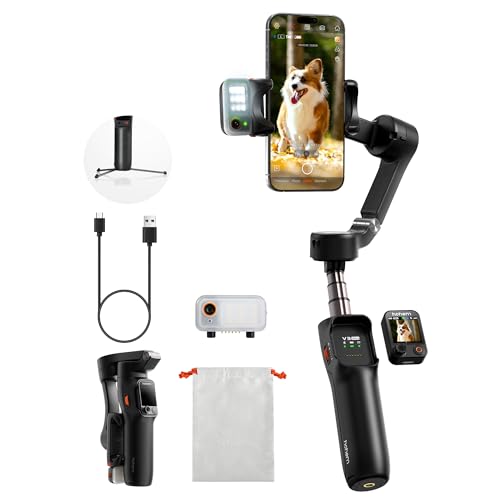
hohem iSteady V3 Ultra Gimbal Stabilizer for iPhone, Phone Gimbal with AI Auto Tracking, Detachable Touchscreen Remote, Built-in Extension Rod, Tripod, Fill Light, for Vlog, Travel, Pet, Fitness
AI Tracking Gimbal – Smart Motion Detection for Any Scene: Stay perfectly in frame with the hohem iSteady…
As an affiliate, we earn on qualifying purchases.
As an affiliate, we earn on qualifying purchases.

LuxoGear Emergency Whistles with Lanyard Safety Whistle Survival Shrill Loud Blast for Kayak Life Vest Jacket Boating Fishing Boat Camping Hiking Hunting Rescue Signaling Kids Lifeguard Plastic 2 Pack
SUPER LOUD survival whistle: double tubes emergency whistle, high pitched powerful noise maker with dual sound chambers, can…
As an affiliate, we earn on qualifying purchases.
As an affiliate, we earn on qualifying purchases.