To prevent injuries, focus on strengthening your ankles, knees, and shoulders with targeted exercises like balance drills, calf raises, and shoulder presses. Incorporate dynamic stretches and mobility movements to boost joint flexibility, reducing overstretching and ligament tears. Wearing supportive footwear and using braces during high-impact activities can also improve stability. Plus, balance training and proprioception exercises sharpen your control and reflexes, helping you stay safe during movement. Keep going to discover more ways to protect your joints effectively.
Key Takeaways
- Engage in targeted exercises like balance drills, calf raises, and ankle circles to strengthen ankle, knee, and shoulder stability.
- Incorporate proprioception and balance training, such as wobble board exercises, to improve joint awareness and reaction time.
- Wear supportive footwear and use braces during high-impact activities to prevent instability and ligament injuries.
- Maintain flexibility with dynamic stretches and mobility exercises to reduce stiffness and overstretching risks.
- Consistently combine strength, mobility, and balance training to minimize injury risk during daily activities and sports.

Have you ever wondered how to stay safe and avoid injuries during daily activities or exercise? One of the key factors in injury prevention is maintaining good ankle stability and joint mobility. Your ankles are the foundation of your movement, supporting your weight and allowing you to walk, run, or jump with ease. When your ankle stability is compromised, it’s easier to twist or sprain your ankle, which can lead to longer-term problems. Improving ankle stability involves strengthening the muscles around your ankle, particularly the calves, shins, and the small stabilizing muscles that support the joint. Exercises like balance drills, calf raises, and ankle circles help activate these muscles, making your ankle more resilient to sudden movements or uneven surfaces. At the same time, you should focus on maintaining or enhancing joint mobility. Flexible joints allow for smoother, more controlled movements, reducing the risk of overstretching or tearing ligaments. Incorporate dynamic stretches into your warm-up routines, such as ankle swings or gentle lunges, to promote joint mobility. These movements prepare your joints for activity and help prevent stiffness that could lead to injury. Additionally, proper footwear can further support ankle stability and overall joint health. Beyond specific exercises, paying attention to your footwear is essential. Shoes that fit well and offer proper support can bolster ankle stability by preventing unnecessary wobbling or slippage. If you’re engaging in high-impact activities or sports, consider wearing ankle braces or supports for added security, especially if you’ve previously suffered an ankle injury. Remember, consistency is key. Regularly strengthening your ankles and maintaining joint mobility doesn’t just help prevent injuries; it also improves overall movement efficiency and reduces fatigue. When your ankles are stable and your joints are mobile, you can perform daily tasks with less strain and better control, decreasing the likelihood of accidental falls or missteps.
Additionally, integrating balance exercises into your routine enhances ankle stability further. Standing on one leg, using a wobble board, or performing tai chi can challenge your proprioception—the sense of joint position—which is essential for quick reflexes and maintaining control during unexpected movements. By proactively working on these areas, you build a solid foundation that protects your knees and shoulders too, since they rely on proper alignment and stable base joints. In short, prioritizing ankle stability and joint mobility through targeted exercises, supportive footwear, and balance training equips you with the resilience needed to stay injury-free. It’s an investment that pays off by keeping you active, confident, and safe during all your daily activities and workouts.
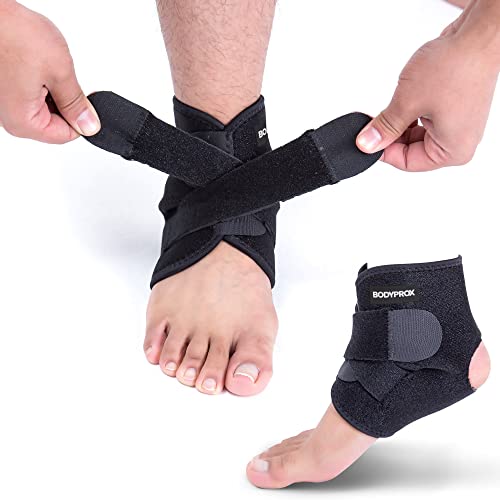
Bodyprox Ankle Support Brace, Breathable Neoprene Sleeve, Adjustable Wrap! (1 Pack)
One size fits both feet, 7.8" to 11" in feet arch circumference.
As an affiliate, we earn on qualifying purchases.
As an affiliate, we earn on qualifying purchases.
Frequently Asked Questions
How Often Should I Perform Ankle, Knee, and Shoulder Strengthening Exercises?
You should perform ankle, knee, and shoulder strengthening exercises at least two to three times a week. Consistent exercise frequency helps build stability and prevents injuries over time. Make sure to include a variety of exercises targeting different muscle groups and allow rest days for recovery. Staying committed to this routine enhances your injury prevention efforts and keeps your joints strong and resilient for daily activities and sports.
Are There Specific Warm-Up Routines to Prevent Joint Injuries?
Yes, you should do a warm-up routine that includes dynamic stretching to prepare your joints for activity and foam rolling to loosen tight muscles. Dynamic stretching involves active movements that mimic your workout, increasing blood flow and joint mobility. Foam rolling helps reduce muscle tension, improving flexibility and reducing injury risk. Incorporate these into your warm-up for maximum joint protection and better performance.
Can Age Affect the Effectiveness of Injury Prevention Exercises?
Yes, age can affect how effective injury prevention exercises are. As you age, you may experience age-related flexibility loss and joint degeneration, which can make certain exercises less beneficial or harder to perform safely. To stay protected, you should tailor your routine to your current condition, focus on gentle stretching, and consult a professional for modifications. Consistency and proper technique remain key regardless of age.
What Are Signs of Overtraining in Joint Strengthening Routines?
Overtraining in joint strengthening routines can hit you like a freight train. You’ll notice signs like persistent joint fatigue, where your joints feel endlessly tired and sore, and exercise burnout, making workouts feel impossible. If you start experiencing swelling, reduced range of motion, or lingering pain, these are clear signals you’re pushing too hard. Listen to your body, and give your joints time to recover before ramping up again.
How Do I Modify Exercises for Existing Joint Pain or Conditions?
When you have joint pain or conditions, focus on joint-friendly modifications and pain-adapted exercises. Reduce intensity, avoid high-impact movements, and use supportive equipment or props. Incorporate gentle stretches and low-impact activities like swimming or cycling. Listen to your body, and stop if pain worsens. Consulting with a physical therapist can help tailor exercises that protect your joints while maintaining strength and mobility.
![EXOUS BODYGEAR Knee Brace Meniscus Tear Support For Arthritis Acl, Mcl Pain Patented 4-way Adjustable Wraparound Strap Dual Side Stabilizer For Patella Stability Size [medium]](https://m.media-amazon.com/images/I/51E7LbEzjWL._SL500_.jpg)
EXOUS BODYGEAR Knee Brace Meniscus Tear Support For Arthritis Acl, Mcl Pain Patented 4-way Adjustable Wraparound Strap Dual Side Stabilizer For Patella Stability Size [medium]
This is an ideal knee brace for women and men it comes as 1 unit only and can…
As an affiliate, we earn on qualifying purchases.
As an affiliate, we earn on qualifying purchases.
Conclusion
By consistently strengthening your ankles, knees, and shoulders, you reduce your risk of injury and keep yourself active longer. Remember, prevention is always better than cure. Are you willing to invest a few minutes each day to protect your future self? Prioritize these exercises, stay mindful of your movements, and you’ll build resilience that pays off in the long run. Don’t wait until an injury slows you down—start today and stay ahead of the game.

RENRANRING Figure 8 Fitness Resistance Bands with Handles – Exercise Tube Band Set of 3 for Arm and Shoulder Stretch, Rope 8 Word Elastic for Women and Men
THE FIGURE OF 8 PROVIDES EFFECTIVE STRENGTH TRAINING : arms, back, shoulders, legs and hips are exercised at…
As an affiliate, we earn on qualifying purchases.
As an affiliate, we earn on qualifying purchases.

Amazon Basics Wood Wobble Balance Trainer Board, Slip Resistant, for Exercise and Core Strength, 265 lb Weight Capacity, Black
Black balance board can help improve core strength, coordination, posture, and balance
As an affiliate, we earn on qualifying purchases.
As an affiliate, we earn on qualifying purchases.