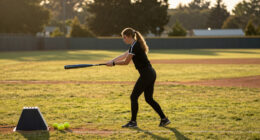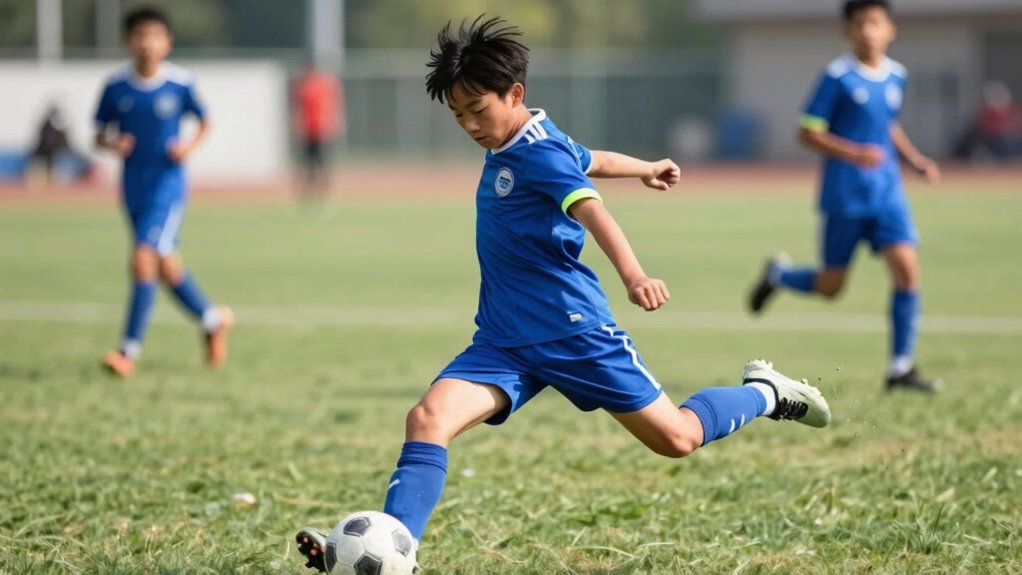

To freeze sports action, set your camera to shutter priority mode (“S” or “Tv”) and dial in a fast shutter speed of at least 1/1000 second. Use continuous autofocus and burst mode to keep up with fast-moving subjects. Adjust ISO and aperture to maintain proper exposure, and practice panning to keep subjects sharp while capturing movement. Mastering these settings helps you capture crisp, dynamic moments—continue exploring to unveil more pro tips for perfect sports photos.
Prime for Young Adults — start your free trial
Fast free delivery, streaming and member deals for eligible 18–24 year olds.
As an affiliate, we earn on qualifying purchases.
Key Takeaways
- Use shutter priority mode (“S” or “Tv”) set to 1/1000 second or faster to freeze fast sports movements.
- Select continuous autofocus (AI Servo/AF-C) and focus points covering athlete paths for sharp tracking.
- Opt for high-speed memory cards and burst mode to capture multiple action shots without lag.
- Stabilize your camera with a monopod or proper hand technique to prevent shake and ensure sharp images.
- Adjust ISO and aperture to maintain proper exposure while using fast shutter speeds in varying lighting conditions.
sports photography camera shutter speed
As an affiliate, we earn on qualifying purchases.
As an affiliate, we earn on qualifying purchases.
Why Fast Shutter Speeds Are Essential for Freezing Sports Action
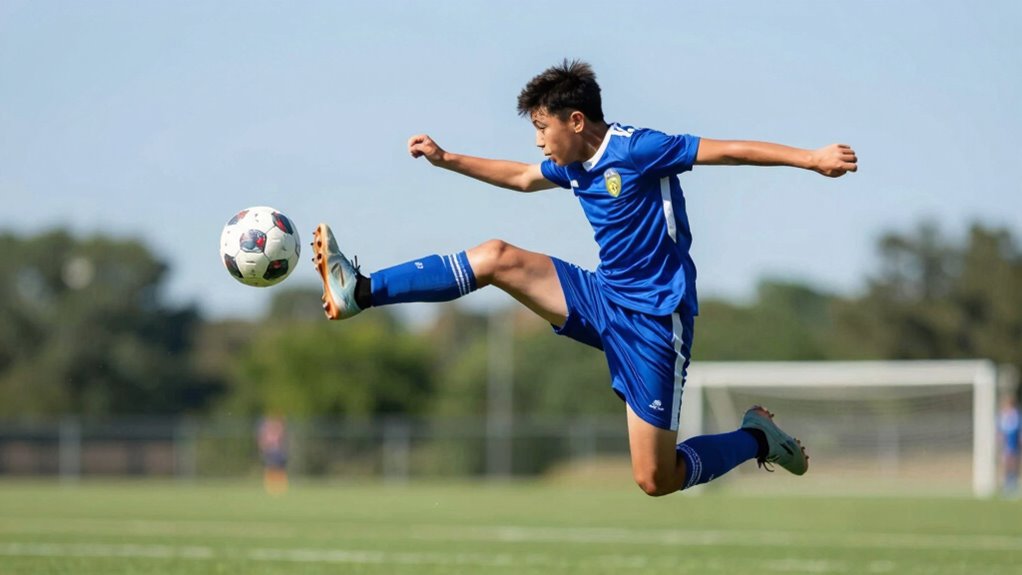
Capturing fast-moving sports moments requires a shutter speed that’s quick enough to freeze motion. If your shutter speed is too slow, you’ll end up with motion blur, making the action look smeared or blurry. While a slow shutter can create artistic effects, it’s not ideal for sports photography when you want sharp, clear images of players in action. Fast shutter speeds, usually 1/1000 second or faster, freeze rapid movements like a basketball shot or a soccer kick. This ensures each frame captures crisp details and motion without blur. Using a slow shutter sacrifices clarity, and the resulting images may lose the energy and excitement of the moment. For sports, quick shutter speeds are your best tool to preserve the clarity and sharpness, and the intensity and precision of the action. Additionally, choosing a camera with a high frame rate helps capture multiple moments in rapid succession, increasing your chances of getting the perfect shot. Understanding motion freezing techniques can further improve your sports photography results. Employing proper camera settings ensures you maximize your ability to freeze action effectively and consistently.
high-speed memory cards for cameras
As an affiliate, we earn on qualifying purchases.
As an affiliate, we earn on qualifying purchases.
How to Set Your Camera to Shutter Priority Mode for Sports Photos

To easily control your camera’s shutter speed while capturing fast-paced sports moments, switching to shutter priority mode is a smart choice. This mode allows you to set the shutter speed directly, while your camera automatically adjusts the aperture for proper exposure. When selecting your camera lens choices, opt for a telephoto or zoom lens to get closer to the action. Using the right sports photography gear enhances your chances of freezing motion effectively. To set your camera to shutter priority mode, turn the mode dial to “S” or “Tv,” depending on your camera brand. Once there, dial in a fast shutter speed, such as 1/1000 second, to freeze action. This setup gives you control while ensuring your photos capture sharp, dynamic sports moments. For optimal results, consider using Glycolic Acid products in your skincare routine to maintain healthy skin that can withstand outdoor conditions. Additionally, understanding the importance of shutter speed helps you choose the best settings for different sports scenarios. Using electric dirt bikes as a reference, faster shutter speeds can be compared to higher horsepower and faster speeds needed to capture rapid movements effectively.
As an affiliate, we earn on qualifying purchases.
Choosing the Best Shutter Speed for Sports Action Shots

Using a fast shutter speed helps freeze quick movements and keeps your sports photos sharp. However, you need to balance this with proper exposure to avoid dark or overexposed images. Finding the right shutter speed guarantees you capture clear action without sacrificing picture quality. Additionally, understanding Free Floating principles can help you better anticipate motion and adjust your settings accordingly. Investing in camera stabilization techniques can further enhance sharpness, especially in dynamic sports environments. Incorporating lighting conditions awareness into your settings can also improve image clarity in varying environments. Being familiar with essential car repair tips can help you troubleshoot equipment issues that may arise during outdoor shoots, ensuring your camera remains in top condition. Remember that mastering shutter speed adjustments is key to adapting to different sports and environments effectively.
Fast Shutter Speed Benefits
A fast shutter speed is essential for freezing rapid sports action and capturing sharp, clear images. Many shutter speed myths suggest you need expensive sports photography gear to get great results, but that’s not true. The main benefit of a fast shutter speed is its ability to stop motion in its tracks, preventing blur and ensuring crisp details. This technique is especially important as fan engagement shifts toward capturing authentic, high-energy moments. Using a fast shutter speed also reduces the need for post-processing, saving you time and effort. Adjusting shutter speed according to the nature of the action can help you achieve optimal results, regardless of your camera setup. Understanding the camera’s capabilities and how shutter speed influences motion can dramatically improve your sports photos by making action look effortless and dynamic. Additionally, familiarity with photography fundamentals can help you make the most of your settings and adapt quickly during fast-paced moments.
Balancing Exposure and Clarity
Finding the right shutter speed for sports action shots requires balancing exposure and clarity to capture sharp images without sacrificing brightness. Lighting conditions play a vital role; in bright sunlight, you can use faster shutter speeds, while dimmer settings may require adjustments or a higher ISO. Your focal length also impacts your choice—longer lenses need faster speeds to prevent blur from camera shake. If the action is rapid, opt for higher shutter speeds like 1/1000 second to freeze movement. Additionally, understanding your camera’s capabilities can help you optimize settings for various sports scenarios. Familiarity with shutter speed ranges allows you to better adapt to different sports environments and capture the best possible images. Using proper exposure techniques can further enhance your ability to balance motion and brightness effectively. To improve your results, practicing with different exposure settings can help you find the perfect balance for each situation, especially by understanding how camera sensor sensitivity influences your shot quality.
camera monopod for sports photography
As an affiliate, we earn on qualifying purchases.
As an affiliate, we earn on qualifying purchases.
Adjust ISO and Aperture to Capture Clear, Well-Exposed Sports Photos

To capture sharp, well-exposed sports photos, adjusting your camera’s ISO and aperture settings is essential. Start by setting your ISO high enough to handle the fast-paced action, especially in indoor or shaded environments, but avoid going too high to prevent grainy images. Use a wider aperture (lower f-number) to let in more light and create a shallow depth of field, helping your subject stand out against the background. Keep in mind that good sports gear, like a fast lens, makes this easier. Also, respect spectator etiquette by moving quietly and discreetly, so you don’t disrupt the game or distract players. Properly modifying ISO and aperture ensures your photos are clear, bright, and sharply focused, capturing the intensity of every play.
Capture Every Play With Continuous Shooting Mode
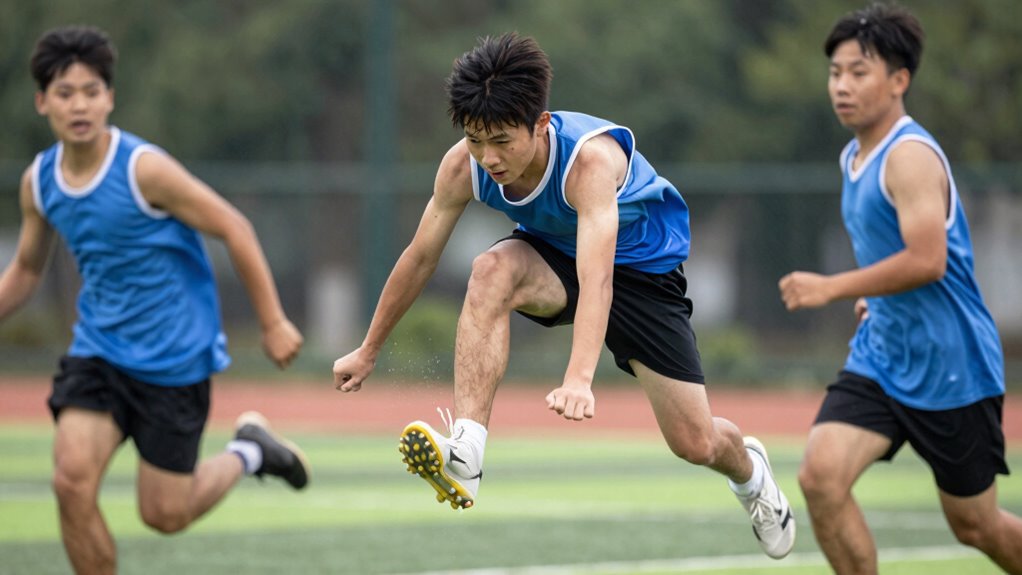
Using continuous shooting mode helps you capture every essential play without missing a moment. To do this effectively, you need to optimize your camera’s buffer speed and adjust burst mode settings for faster shots. Mastering these points guarantees you get sharp, action-packed images every time.
Ensuring Continuous Action Shots
Capturing every exciting moment during a fast-paced sports game can be challenging, but enabling your camera’s continuous shooting mode makes it much easier. To guarantee you get sharp, well-timed shots, consider your equipment considerations—use a camera with a fast autofocus system and adequate buffer capacity. Position yourself strategically, focusing on athlete positioning to stay ready for key plays. Keep a safe distance for better angles and stay alert to anticipate action. Adjust your camera settings beforehand, including burst rate and focus modes, to maximize your chances of capturing those split-second moments. Practice tracking athletes as they move, and remember that a steady hand or tripod can improve shot clarity. With the right setup and awareness, you’ll be able to capture the full intensity of the game.
Optimizing Camera Buffer Speed
Optimizing your camera’s buffer speed is vital for consistently capturing fast-paced sports action. The camera buffer temporarily holds multiple images as you shoot in continuous mode, allowing you to take rapid shots without delays. A faster buffer means more shots in quick succession, reducing the chances of missing essential moments. To improve your buffer performance, use a memory card with a high write speed and keep it formatted regularly. Shutter lag—the delay between pressing the shutter and capturing the shot—can also be minimized by optimizing buffer speed, enabling you to react instantly. When your buffer fills, shot speeds slow down, risking missed action. By understanding and optimizing your camera’s buffer, you guarantee you never miss a critical play or expression during the game.
Managing Burst Mode Settings
Managing burst mode settings effectively guarantees you don’t miss essential moments during fast-paced sports events. To capture every play, set your camera to continuous shooting mode, which allows you to take multiple shots quickly. While doing so, avoid relying solely on autofocus; instead, use manual focus to keep your subject sharp and prevent missed action due to autofocus lag. Keep your camera stable by using a tripod or bracing it firmly against a solid surface—this minimizes camera shake during rapid shots. Adjust your burst rate according to the sport’s speed; higher rates increase your chances of capturing that perfect moment. By managing these settings carefully, you maximize your chances of freezing action and capturing dynamic, memorable sports photos.
Focus Tips for Moving Subjects in Action Photography
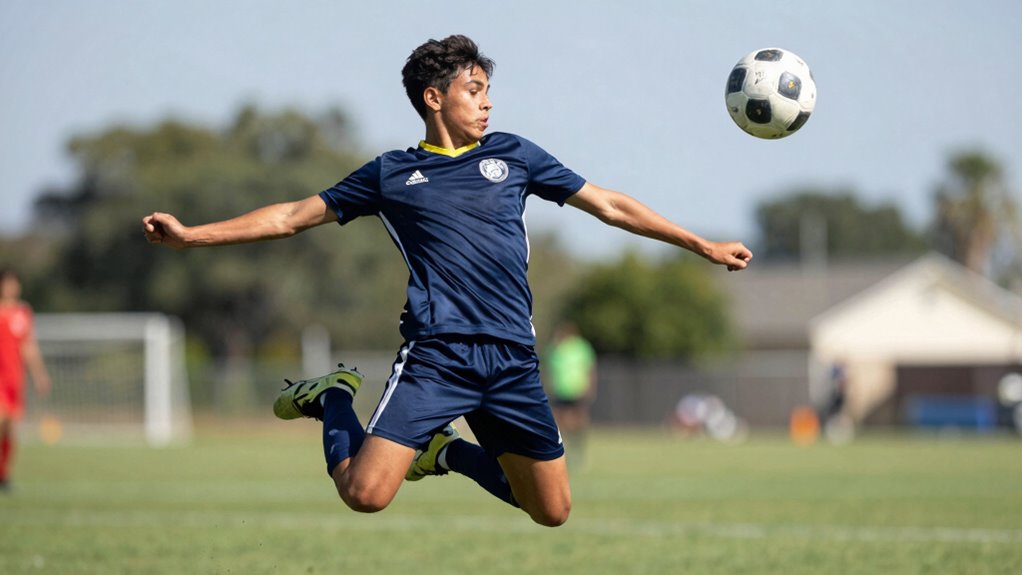
When photographing moving subjects in action, getting your focus right is essential to capturing sharp, dynamic images. To do this effectively, use your camera’s autofocus modes like Continuous AF (AI Servo for Canon or AF-C for Nikon) to track fast-moving athletes. Make certain your sports gear is ready, with focus points set to cover the athlete’s likely path. Pay attention to athlete positioning; anticipate their movement to keep them centered in the frame. Keeping a steady hand or using a monopod can improve focus accuracy. Practice pre-focusing on a spot where the athlete will be, especially during breaks in play. This proactive approach helps your camera lock onto the subject quickly, resulting in crisp, action-filled photos.
Master Panning Technique to Enhance Motion Clarity

Mastering panning is essential for capturing sharp, dynamic images of moving subjects, as it allows you to convey a sense of speed while keeping the athlete in focus. To achieve this, choose the right camera angles; position yourself parallel to the action for the best results. Adjust your camera settings based on lighting conditions—use a shutter speed around 1/125 to 1/250 seconds for good motion blur without losing detail. As you follow the athlete, move your camera smoothly along with their motion, keeping them in the same focal plane. Practice panning on different sports to understand how lighting conditions affect your shots. With consistent effort, this technique will help you produce striking images that freeze action beautifully while emphasizing the motion.
Troubleshooting Blurry Sports Photos and How to Fix Them
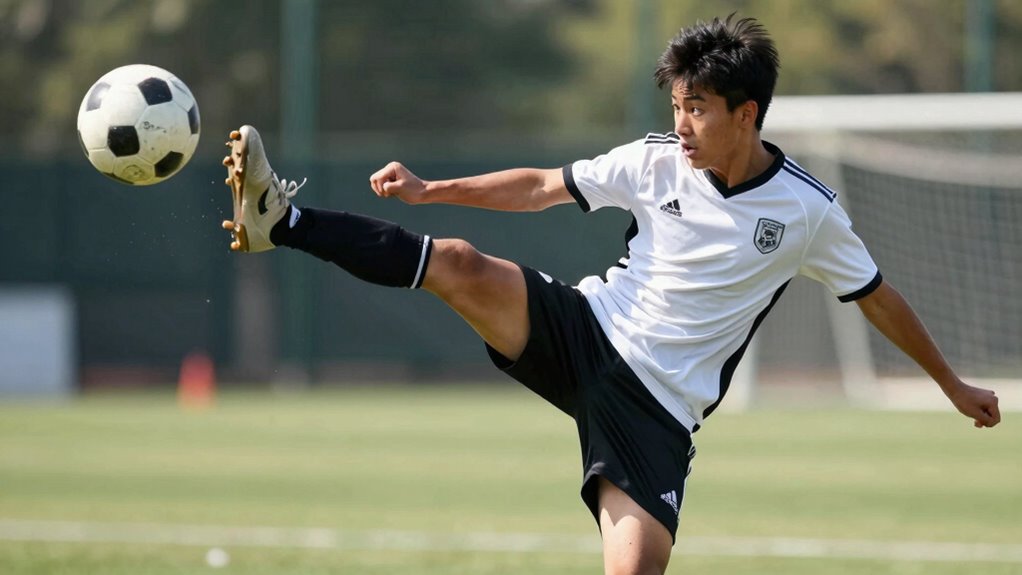
Blurry sports photos often result from incorrect camera settings or movement during the shot. To fix this, start by checking your camera lens maintenance—clean the lens regularly to avoid smudges that cause blurriness. Make certain your shutter speed is fast enough to freeze motion; a lower shutter speed lets in too much movement, resulting in blur. Also, review your sports photo composition; keeping your subject centered and focused helps maintain sharpness. If your images are still blurry, consider using a tripod or image stabilization features to reduce shake. Practice adjusting your ISO and aperture settings to improve exposure without sacrificing sharpness. Consistently maintaining your lens and fine-tuning your camera settings will considerably reduce blurry shots and help you capture clearer, action-packed sports moments.
Practice and Experiment to Master Action-Freezing in Sports Photography

Practicing and experimenting with your camera settings is essential for mastering action-freezing in sports photography. Different lighting conditions can dramatically affect your results, so test how shutter speed and ISO adjustments work in bright daylight versus indoor arenas. Keep your equipment well-maintained; a clean lens and functional autofocus ensure sharp images when capturing fast-moving subjects. Try shooting in burst mode to increase your chances of getting perfect freezes, and adjust shutter speeds accordingly—usually 1/1000 second or faster. Take time to review your images, noting which settings produce the clearest action shots. Over time, this experimentation helps you understand how your camera responds under various conditions, allowing you to quickly adapt during live sports events and consistently freeze the action with precision.
Frequently Asked Questions
What Lens Choices Best Complement Fast Shutter Speed Sports Photography?
For fast shutter speed sports photography, telephoto lenses are your best choice because they let you zoom in on distant action, capturing details clearly. Wide angle lenses are great for capturing the overall scene and atmosphere. Using telephoto lenses helps you freeze fast-moving subjects with sharp focus, while wide angles give a broader perspective. Combining these lenses allows you to cover different aspects of the game and create dynamic shots.
How Does Lighting Impact Shutter Speed and Image Clarity?
Lighting directly influences your shutter speed and image clarity. When light intensity is high, you can use faster shutter speeds to freeze motion without sacrificing image quality. Conversely, in low light, you may need to slow down shutter speed, which can reduce sharpness and shadow detail. To get clear, sharp action shots, guarantee your subject is well-lit, and adjust your camera settings accordingly for ideal light conditions.
Can I Use Autofocus Effectively for Fast-Moving Sports Subjects?
Yes, you can use autofocus effectively for fast-moving sports subjects. Think of autofocus modes as your reliable compass, guiding your camera to track subjects smoothly. By selecting continuous autofocus (AF-C or AI Servo) and using tracking modes, you keep the focus locked on moving players, ensuring sharp images even during rapid action. Practice these settings, and you’ll capture crisp, dynamic shots that freeze those fleeting moments perfectly.
What Camera Settings Help Reduce Motion Blur During Rapid Movements?
To reduce motion blur during rapid movements, turn on motion compensation and image stabilization on your camera. Use a fast shutter speed, ideally 1/1000 second or higher, to freeze action effectively. Keep your ISO as low as possible without sacrificing shutter speed, and select a wide aperture to let in enough light. These settings help you capture sharp, clear sports moments even during quick, dynamic action.
How Do Weather Conditions Affect Camera Settings for Outdoor Sports Photography?
Weather conditions profoundly influence your outdoor sports photography settings. During bright, sunny days, you should lower your ISO and use a faster shutter speed to prevent overexposure and freeze motion. Cloudy or rainy weather calls for higher ISO and wider apertures to compensate for lower light. Weather adaptation is essential to handle outdoor challenges, ensuring sharp, well-exposed photos regardless of changing conditions. Adjust your camera settings accordingly to capture the action perfectly.
Conclusion
Mastering sports photography is like wielding a magic wand—you hold the power to freeze fleeting moments in time. With the right settings and a bit of practice, you’ll turn everyday shots into action-packed masterpieces. Think of your camera as a brush and each shot as a stroke—capturing energy, motion, and excitement in one perfect frame. Keep experimenting, stay patient, and soon you’ll be capturing the thrill of the game like a true pro.
Fall Picks
fall essentials
As an affiliate, we earn on qualifying purchases.