

To help your child navigate conflicts, focus on developing their communication skills, emotional intelligence, and leadership qualities. Encourage them to express feelings clearly, listen actively, and ask questions to understand others better. Support their growth with patience, positive feedback, and opportunities to practice decision-making. Building these skills helps children manage disagreements effectively and foster healthier team dynamics. Continue exploring strategies that empower your child to handle conflicts confidently and constructively.
Key Takeaways
- Teach children effective communication skills, such as active listening and expressing feelings clearly, to reduce misunderstandings.
- Encourage emotional intelligence by helping them recognize and manage their emotions and understand others’ perspectives.
- Foster leadership qualities by giving children opportunities to guide, support, and mediate in group situations.
- Provide constructive feedback and celebrate successes to build confidence and resilience in handling conflicts.
- Create a safe space for open dialogue, promoting honesty and cooperation to develop healthier team dynamics.

Have you ever wondered how some teams seamlessly work together while others struggle with conflicts and misunderstandings? The secret often lies in their communication skills and leadership development. When your child learns to communicate effectively, they’re better equipped to express their feelings, listen to others, and resolve disagreements constructively. As a parent, fostering these skills can set the foundation for healthier relationships and stronger teamwork in their life. Leadership development isn’t just about guiding others; it’s about helping your child build confidence, take responsibility, and manage conflicts with maturity. By focusing on these areas, you can help your child steer team dynamics more successfully. Cultivating emotional intelligence is essential for understanding and managing interpersonal relationships effectively. Encouraging open and honest communication is the first step. Teach your child to express their thoughts clearly and listen actively to their peers. When they understand how to articulate their feelings without aggression or defensiveness, misunderstandings decrease. Practice role-playing situations where they can rehearse sharing their perspective and listening patiently. Reinforce that asking questions and clarifying points shows respect and helps avoid assumptions. Developing communication skills isn’t just about talking; it’s about creating a safe space where everyone feels heard. This foundation enables your child to handle disagreements calmly and find common ground more easily.
Leadership development plays a essential role in managing team dynamics. When your child takes on leadership roles, even in small ways, they learn to guide, motivate, and support others. Encourage them to recognize each team member’s strengths and contributions, fostering a sense of unity. As they practice leadership, they also learn humility and patience—key traits for steering conflicts. Help your child understand that leadership isn’t about control but about collaboration. By empowering them with decision-making opportunities and responsibility, you prepare them to handle complex social situations with confidence. Over time, this leadership growth enhances their ability to mediate disputes and foster positive interactions.
Supporting your child’s growth in communication skills and leadership development requires patience and consistency. Celebrate their successes and provide constructive feedback when they face challenges. Show them how to reflect on conflicts—what went well, what could improve—and encourage a mindset of learning rather than blame. As your child develops these skills, they’ll become more resilient and adaptable in team settings. They’ll also gain the confidence to address issues proactively instead of avoiding them, which ultimately leads to healthier, more harmonious relationships. By focusing on these areas, you’re not just helping them manage team dynamics today; you’re equipping them with lifelong tools for personal and professional success.
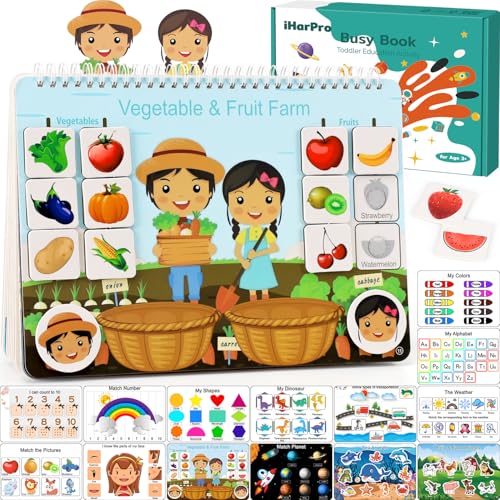
Busy Book for Toddlers, Montessori Toys for 3 4 5 6 Years Old, Autism Sensory Educational Toys, Toddler Preschool Learning Activity Binder and Early Books – for Boys & Girls Develops Fine Motor Skills
PREMIUM THICKENED MONTESSORI BUSY BOOK:14 durable, double-laminated pages (300% thicker than regular flashcards) protect tiny hands and ensure…
As an affiliate, we earn on qualifying purchases.
As an affiliate, we earn on qualifying purchases.
Frequently Asked Questions
How Can Parents Encourage Positive Communication Among Children?
You can encourage positive communication among children by modeling active listening and showing empathy. When you listen attentively and validate their feelings, you teach them to do the same. Encourage them to express themselves openly and calmly, fostering understanding. Praise their efforts to listen and empathize, helping them develop these skills. This creates a supportive environment where they learn to communicate effectively and resolve conflicts constructively.
What Are Signs of Bullying in Team Settings?
Did you know that 34% of students report experiencing bullying at school? You should watch for signs like peer exclusion, where your child is intentionally left out, or cyberbullying awareness, such as hurtful messages online. Physical signs like bruises aren’t the only indicators. Watch for changes in behavior, withdrawal, or reluctance to participate in team activities. Recognizing these signs helps you intervene early and support your child’s well-being.
How Do I Address Persistent Conflicts Between Peers?
To address persistent conflicts between peers, encourage conflict resolution by facilitating open communication. Use peer mediation to help each child express their feelings and understand the other’s perspective. Guide them to find common ground and develop solutions together. Stay neutral, listen actively, and reinforce respectful behavior. Your support and structured approach can empower your child to resolve conflicts constructively and build stronger peer relationships.
What Role Does Emotional Intelligence Play in Team Dynamics?
Imagine you’re a knight in shining armor, wielding emotional intelligence like Excalibur. It plays a crucial role in team dynamics by enhancing emotional awareness and social skills. When you understand your own feelings and recognize others’, you foster trust and cooperation. Your ability to empathize and communicate effectively helps resolve conflicts and build stronger bonds, making the team more cohesive and successful. Emotional intelligence truly is your secret weapon.
How Can I Help My Child Build Leadership Skills?
You can help your child build leadership skills by encouraging them to take on leadership opportunities, like organizing a project or leading a team activity. Support their confidence building by praising their efforts and providing constructive feedback. Teach them to listen actively and communicate clearly, which boosts their ability to inspire others. With your guidance, they’ll develop essential skills that foster confidence and prepare them for future leadership roles.

Who What Why Conversation Cards for Kids – Learning Game for Social Skills, Emotional Intelligence & Critical Thinking – Speech Therapy Resources, Sequencing Game & Articulation Materials, Ages 4+
DEVELOP EMOTIONAL & SOCIAL INTELLIGENCE – Who What Why conversation cards for kids use friendly illustrations of real-life…
As an affiliate, we earn on qualifying purchases.
As an affiliate, we earn on qualifying purchases.
Conclusion
So, here’s the irony: teaching your child to navigate conflicts isn’t about controlling every outcome but guiding them to handle unpredictability with confidence. You might think you’re the captain steering the ship, but sometimes, it’s about letting them steer through storms on their own. After all, the real lesson isn’t just about managing team dynamics — it’s about learning that sometimes, the most valuable skill is knowing when to let go and trust the process.

Carson Dellosa Scissor Skills Activity Book for Kids Ages 3-5, Colorful Animals, Shapes, and Line Formation Cut and Paste Activities, Kids Craft Book With Incentive Chart and Stickers, PreK+
As an affiliate, we earn on qualifying purchases.
As an affiliate, we earn on qualifying purchases.

Junior Learning 6 Conflict & Resolution Games
Games include: Are You a Bully? Sharks, Jellyfish, Turtles, Compromise Burgers, Persuasion Pot, Keep Calm Meter, A Spinning…
As an affiliate, we earn on qualifying purchases.
As an affiliate, we earn on qualifying purchases.