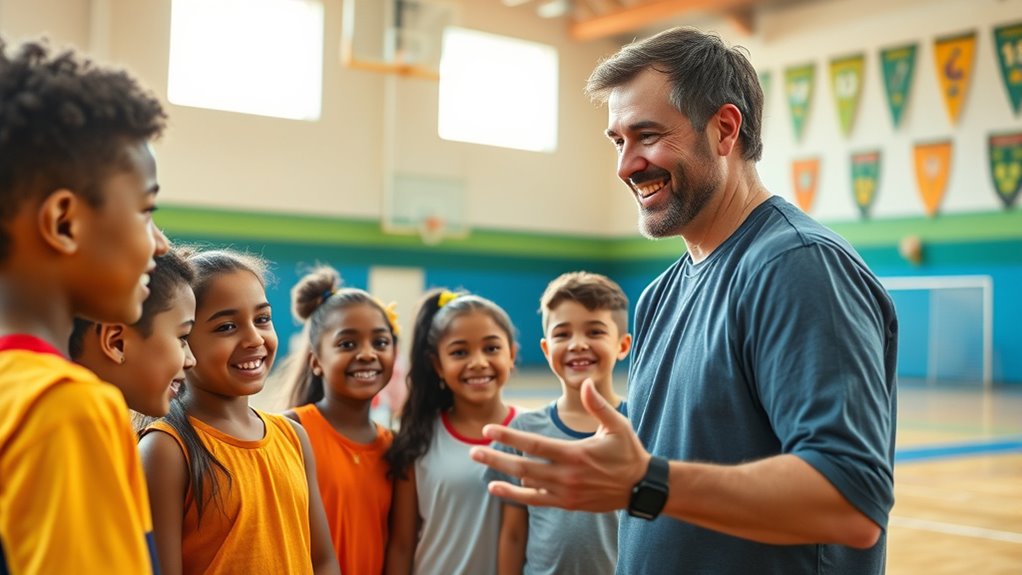

Building positive relationships with coaches starts with genuine communication and personalized support. Get to know their goals, strengths, and needs, then offer specific guidance and encouragement. Create an environment of trust by listening actively, celebrating successes, and being transparent about challenges. Regular check-ins and openness foster confidence and rapport. By showing you value and understand their journey, you’ll create a strong foundation. For practical strategies to deepen these relationships, keep exploring further.

Get sports gear delivered free with Prime
- Fast, free delivery on millions of items
- Prime Video, Amazon Music and more included
- Member-only deals all year
Key Takeaways
- Foster open, honest communication by actively listening and providing clear, respectful feedback.
- Build trust through regular check-ins, transparency, and celebrating coaches’ successes.
- Tailor support to individual goals, strengths, and areas for growth to show genuine understanding.
- Create a positive environment that encourages risk-taking, innovation, and continuous learning.
- Show approachability and support consistently to make coaches feel valued, understood, and empowered.

Supporting Coaches
Have you ever wondered what truly helps coaches succeed? The answer often lies in the quality of the relationships they build and the support they receive. Supporting coaches starts with implementing strong mentoring strategies that foster growth, confidence, and resilience. These strategies aren’t just about sharing knowledge—they’re about creating an environment where coaches feel valued, understood, and empowered to develop their skills. Effective communication plays an essential role here. When you communicate clearly and listen actively, you demonstrate respect and genuine interest in their progress. This openness encourages trust, making it easier for coaches to ask questions, share concerns, and seek advice without hesitation.
Building strong relationships and effective communication empower coaches to grow and succeed confidently.
Mentoring strategies should be tailored to each coach’s unique needs. Instead of a one-size-fits-all approach, get to know their goals, strengths, and areas for improvement. Offer guidance that’s constructive and specific, pointing out both successes and opportunities for growth. Encourage reflection by asking insightful questions that prompt coaches to analyze their experiences and identify solutions themselves. This approach builds their confidence and problem-solving skills, which are indispensable for long-term success. Additionally, understanding the importance of reliable, safe backup power can serve as a metaphor for building a solid foundation in coaching—ensuring stability and preparedness in all situations.
Effective communication is more than just talking; it’s about creating a two-way dialogue. When you actively listen, you show that you value their perspective, which deepens trust and rapport. Use positive reinforcement to acknowledge their efforts and achievements, boosting their motivation. Be honest and transparent about challenges, framing setbacks as learning opportunities rather than failures. This honesty helps coaches develop resilience and a growth mindset. Additionally, ensure your feedback is clear, respectful, and actionable. Avoid vague comments—be specific about what they did well and what can be improved, providing practical suggestions rather than just criticism.
Building positive relationships also involves being approachable and supportive. Make time for regular check-ins, showing genuine interest in their well-being and professional development. Celebrate their successes, no matter how small, to foster a sense of accomplishment and belonging. When coaches feel supported and understood, they’re more likely to take risks, innovate, and stay committed to their growth journey.
Products Worth Considering

Bowflex SelectTech 840 Adjustable Kettlebell

YETI Trailhead Collapsible Camp Chair

Solo Stove Ranger 2.0 15-Inch Smokeless Fire Pit with Stand
As an affiliate, we earn on qualifying purchases.
Frequently Asked Questions
How Can Coaches Handle Conflicts With Team Members Effectively?
When conflicts arise, you should focus on conflict resolution by staying calm and listening actively to team members’ concerns. Use your communication skills to clarify misunderstandings and find common ground. Address issues promptly and privately, showing empathy and respect. By remaining approachable and open, you foster trust, making it easier to resolve conflicts effectively and maintain a positive team environment.
What Strategies Promote Ongoing Professional Development for Coaches?
Imagine a lighthouse guiding a ship through fog—your ongoing professional development acts as that beacon. You can participate in mentorship programs to gain fresh insights and refine your skills. Peer collaboration serves as your crew, sharing knowledge and strategies. By embracing these strategies, you stay illuminated, evolving continuously, and ensuring your coaching remains impactful and inspiring. Keep shining brightly to lead your team effectively.
How Do Coaches Balance Authority and Approachability?
You balance authority and approachability by practicing trust building and emotional intelligence. Show confidence through clear communication and consistent expectations, which establishes your authority. At the same time, listen actively and empathize with others, demonstrating approachability. By being genuine and respectful, you foster an environment of trust, making it easier for others to feel comfortable sharing ideas and concerns. This balance encourages collaboration and strengthens your leadership presence.
What Role Does Cultural Competence Play in Coaching Relationships?
Cultural competence plays a essential role in coaching relationships by enhancing your cultural awareness and enabling inclusive communication. When you understand diverse backgrounds, you can tailor your approach, foster trust, and create a respectful environment. By practicing active listening and showing genuine interest, you demonstrate respect for cultural differences, helping your athletes feel valued and understood. This strengthens your connection, encourages openness, and ultimately boosts their performance and growth.
How Can Coaches Measure the Success of Their Relationship-Building Efforts?
You can measure your relationship-building success through trust metrics and feedback surveys. Trust metrics help you gauge how much your clients or team members trust you over time, while feedback surveys provide direct insights into their perceptions and satisfaction. Regularly reviewing these tools allows you to identify strengths and areas for improvement, ensuring your efforts foster stronger, more positive coaching relationships.
Conclusion
So, next time you’re tempted to dismiss your coach’s advice or brush off their concerns, remember: they’re just here to support you, not to ruin your day. Building positive relationships might require a little effort—gasp!—but in the end, it’s easier than pretending you know everything. So go ahead, make their day. After all, a little genuine connection might just be the secret weapon you never knew you needed.