
As a parent, you can help your athlete stand out by understanding recruiting timelines and supporting their athletic profile. Encourage them to stay organized with a recruiting calendar, maintain updated stats, and create highlight videos. Be proactive by communicating professionally with coaches, attending camps and showcases, and guiding them on balancing academics and training. Your encouragement in these areas boosts their chances of getting noticed. To explore more strategies, keep learning about how your support can make a difference.
Key Takeaways
- Encourage early recruiting efforts by helping athletes create standout profiles and highlight videos.
- Maintain an organized recruiting calendar to track important deadlines and college visit opportunities.
- Support open communication with coaches through prompt, professional emails and questions.
- Motivate athletes to balance academics, training, and recruiting activities for a strong overall profile.
- Attend college fairs and showcases with your athlete to increase face-to-face exposure and networking opportunities.
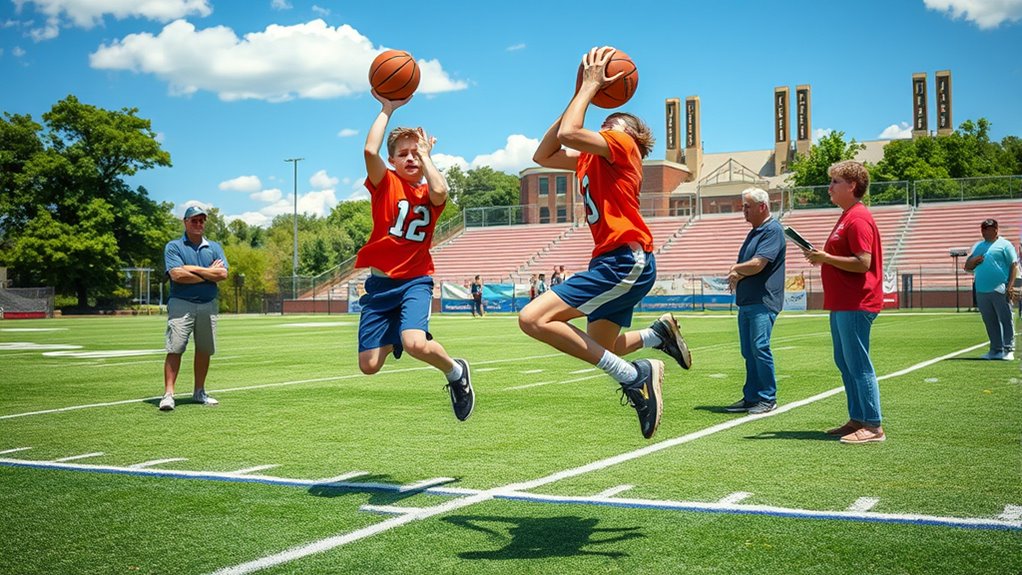
Are you wondering where to start with college recruiting? As a parent, your first step is understanding how the process works and how you can support your athlete effectively. College recruiting can seem overwhelming, but knowing the key factors—like scholarship opportunities and recruiting timelines—helps you stay organized and proactive. Scholarship opportunities are often a major motivation for student-athletes, and it’s fundamental to understand how they fit into the recruiting process. Different schools and divisions offer varying types of scholarships, from full-ride athletic scholarships to partial awards. Some programs are highly competitive, with limited spots available, so early awareness of these opportunities can give your athlete a significant advantage. Many coaches start their recruiting efforts well before the athlete’s senior year, making it vital to understand recruiting timelines. These timelines dictate when coaches begin actively recruiting, when they expect to see athletes’ contact information, and when decisions are finalized. Missing these windows can mean missed chances for scholarships or offers, so you want to stay ahead of the curve.
Understanding recruiting timelines helps you support your athlete and seize scholarship opportunities early.
To maximize scholarship opportunities, you should encourage your athlete to create a standout athletic profile early. This includes compiling highlight videos, maintaining updated stats, and reaching out to coaches with personalized emails. Being proactive within recruiting timelines ensures that your athlete remains visible to coaches when they are most actively recruiting. It’s also helpful to keep a recruiting calendar that tracks important dates, such as NCAA deadlines, official visit windows, and application submission times. Staying organized allows you and your athlete to meet deadlines comfortably, avoiding last-minute scrambles that could jeopardize opportunities.
Networking plays a vital role in the recruiting process. Attend college fairs, sport-specific camps, and showcases where coaches are present. These events can accelerate the process and give your athlete face-to-face exposure. Additionally, maintaining open communication with coaches—responding promptly to emails and calls—demonstrates professionalism and genuine interest. As a parent, your role is to motivate your athlete to stay disciplined and committed, but also to help them manage their time effectively. Encourage them to balance academics, training, and recruiting activities without becoming overwhelmed.
Ultimately, your goal is to help your athlete navigate the complex recruiting landscape confidently. By understanding scholarship opportunities and recruiting timelines, you can support them in making informed decisions and seizing the best possible opportunities. Staying organized, proactive, and engaged will give your athlete the best chance of standing out in a competitive pool of recruits and securing a spot on the college team that’s right for them.
athletic recruiting highlight video equipment
As an affiliate, we earn on qualifying purchases.
As an affiliate, we earn on qualifying purchases.
Frequently Asked Questions
When Should My Child Start the Recruiting Process?
You should start the recruiting process early, around 14 to 15 years old, to give your child a head start. Timing considerations are vital because early recruitment allows coaches to notice their potential and build relationships. Encourage your child to focus on academics and sports consistently, attend showcases, and communicate openly with coaches. Starting early increases the chances of getting noticed and finding the right college fit.
How Can Parents Effectively Communicate With College Coaches?
Think of communicating with college coaches like sailing a steady ship; you steer with purpose and respect. Use email etiquette to craft clear, polite messages, and don’t forget the power of a well-timed phone call. Keep your tone professional, concise, and positive. Regular updates show your child’s commitment, but always listen more than you speak. This respectful approach builds trust and opens the door for meaningful conversations.
What Are Common Recruiting Mistakes to Avoid?
Avoid misconceptions about recruitment like thinking coaches only notice top stats or that you don’t need to showcase your personality. Common athlete pitfalls include neglecting academics, missing deadlines, or not communicating proactively. Don’t rely solely on your coach or highlight reels. Instead, stay organized, reach out professionally, and present a well-rounded profile. Steer clear of these mistakes to improve your chances of catching a coach’s attention effectively.
How Important Are Athletic Scholarships in the Recruiting Process?
Did you know that athletic scholarships can cover up to 85% of college costs? They’re vital in the recruiting process because they often influence a coach’s interest. Understanding the recruiting timeline and scholarship criteria helps your athlete stand out. Securing a scholarship early can give them a competitive edge, so encourage your athlete to showcase their skills consistently and communicate proactively with coaches.
How Can Parents Assess the Best College Fit for Their Athlete?
You can evaluate the best college fit for your athlete by starting with college visit tips, like touring the campus and meeting coaches. Focus on athletic program evaluation—check team facilities, coaching staff, and competition level. Talk to current players, observe team dynamics, and consider academic offerings. Trust your instincts and guarantee the school aligns with your athlete’s goals, values, and academic needs for a well-rounded fit.

The High Performance Planner
Planner
As an affiliate, we earn on qualifying purchases.
As an affiliate, we earn on qualifying purchases.
Conclusion
Remember, over 50% of college athletes are recruited through unofficial channels, so your involvement makes a difference. By staying proactive, encouraging your athlete to showcase their skills, and maintaining open communication with coaches, you greatly increase their chances of getting noticed. Your support can be the key to opening their future in college sports. Stay engaged, be persistent, and trust in their talent—you’re helping turn their dreams into reality.
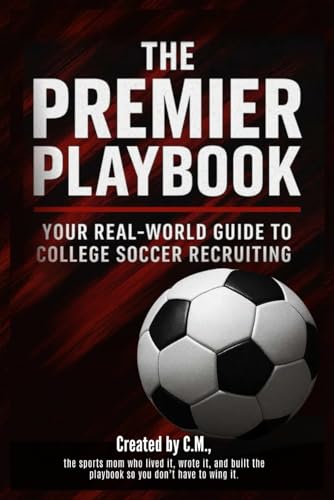
The Premier Playbook: Your Real-World Guide to College Soccer Recruiting
As an affiliate, we earn on qualifying purchases.
As an affiliate, we earn on qualifying purchases.

Track and Field Performance Logbook: Gold Training System: Performance Journal and Results Tracking Log for Athletes (White Edition)
As an affiliate, we earn on qualifying purchases.
As an affiliate, we earn on qualifying purchases.