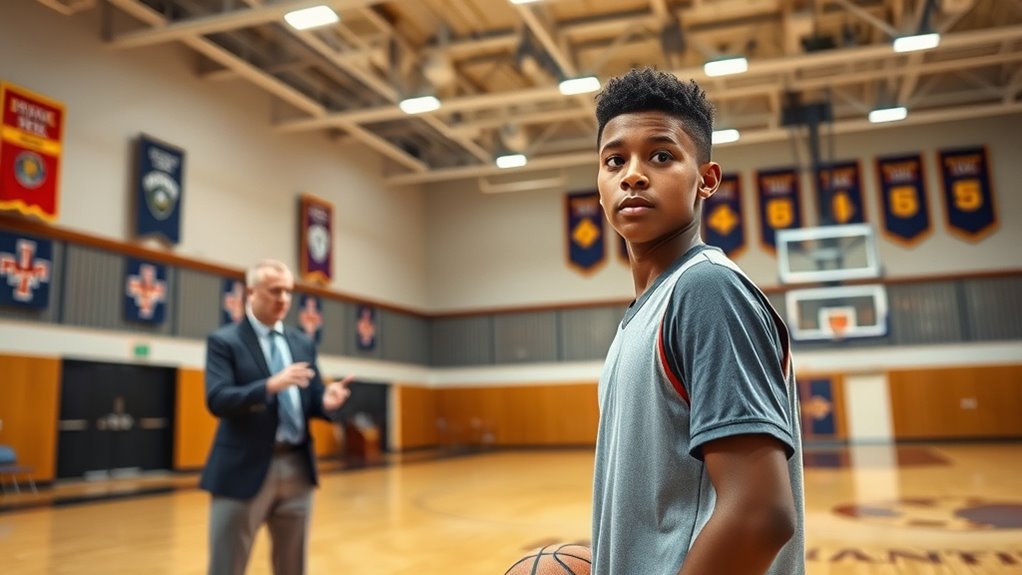

NCAA recruiting dead periods are times when coaches can’t have in-person contact with you or your family, usually set at specific times in the calendar. During these times, in-person visits and live campus interactions are restricted, but you can still communicate via emails and phone calls. Showcases and performance videos become essential for exposure since in-person meetings aren’t allowed. If you’re curious about how to navigate these restrictions effectively, there’s more to explore below.
Key Takeaways
- NCAA dead periods restrict in-person contact between coaches and recruits or their families.
- During dead periods, in-person campus visits and athletic activities cannot involve recruiting interactions.
- Showcases are still valuable for exposure, but coaches cannot engage in face-to-face communication during these times.
- Unofficial visits are permitted, but coaches cannot meet or watch athletic performances during dead periods.
- Virtual communication, like videos and online meetings, are essential tools for recruiting during dead periods.
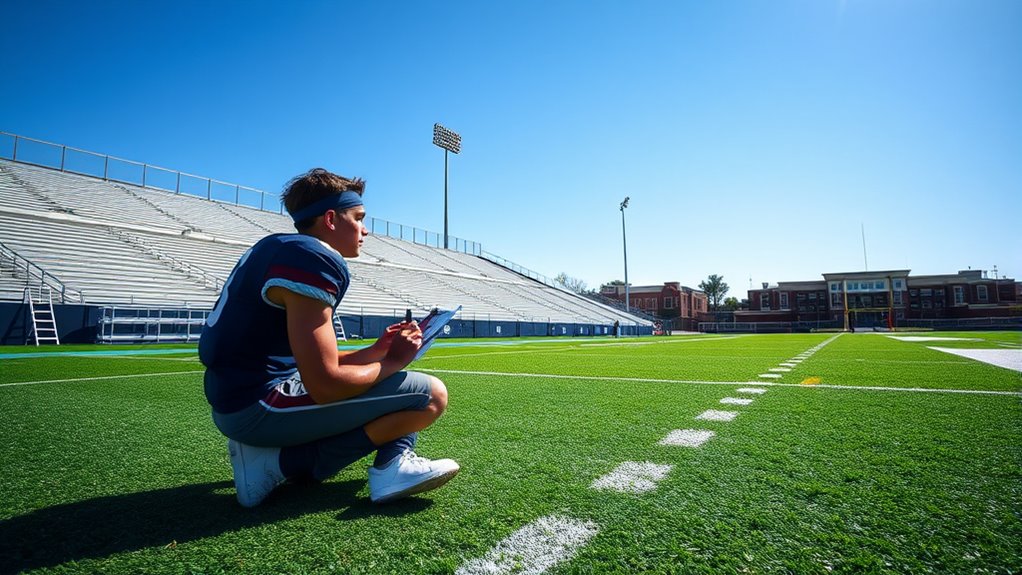
Understanding NCAA recruiting dead periods and contact rules is essential if you’re steering the college sports recruiting process. These rules govern when and how coaches can communicate with you, and knowing them helps you avoid unintentional violations that could jeopardize your chances. During recruiting periods, coaches are more active in reaching out, but during dead periods, their interaction is highly restricted. Recognizing these times ensures you’re making the most of your opportunities, especially when attending events like college showcases or planning unofficial visits.
Knowing NCAA dead periods helps players maximize exposure while avoiding recruiting violations.
A college showcase can be a valuable opportunity for exposure, but during dead periods, coaches are limited in their ability to interact with you in person. If you attend a showcase during a dead period, it’s crucial to understand that coaches cannot speak with you or your family on-site unless they initiate contact. Your performance and highlight videos become even more important during these times, as coaches may review footage later to evaluate your skills. These showcases are often one of the few opportunities you have to showcase your talents directly to college coaches, so maximizing your presence there is vital.
Unofficial visits are another key aspect of your recruiting journey. You can visit a college campus on your own, without the school covering costs, but during dead periods, these visits are subject to restrictions. Coaches are not allowed to meet with you on campus or watch you participate in athletic activities during dead periods. However, you can still tour the campus, attend games, and speak with admissions or coaching staff outside of official recruiting activities. It’s important to note that these visits won’t be considered official visits, which have different rules and limits. When planning your unofficial visits, always check the NCAA calendar to ensure you’re not visiting during a dead period if your goal is to engage directly with coaching staff.
Understanding the distinction between recruiting periods and dead periods helps you strategize your outreach and visits effectively. During active recruiting times, coaches may contact you regularly, invite you to campus, or meet with you face-to-face. During dead periods, your focus should shift to showcasing your skills through videos, participating in tournaments, and attending college showcases, where your performance can still attract attention. Remember, you can continue to prepare by maintaining communication through emails or phone calls when permissible, but physical visits and in-person interactions are limited during dead periods. Additionally, advancements in technology have allowed for virtual communication methods to supplement in-person recruiting efforts during these restricted times.
college recruiting showcase videos
As an affiliate, we earn on qualifying purchases.
As an affiliate, we earn on qualifying purchases.
Frequently Asked Questions
Can Coaches Contact Athletes During Dead Periods?
During dead periods, coaches cannot contact athletes through any recruiting methods, respecting recruiting restrictions and contact limitations. You won’t receive phone calls, emails, or in-person visits from coaches during these times. These restrictions are in place to guarantee fair recruiting practices and give athletes time to focus on academics and athletics without pressure. So, if you’re in a dead period, be prepared for limited communication from coaches until the restrictions lift.
Are Virtual Communications Allowed During Dead Periods?
During dead periods, virtual communications like email are permitted, but virtual meetings are not allowed. Did you know that over 60% of recruits prefer virtual interactions for initial contact? You can send emails to coaches or prospects, helping you stay connected. However, live virtual meetings, such as video calls, violate NCAA rules during dead periods. Stay informed and leverage email to maintain your recruiting momentum without crossing the line.
What Are the Consequences for Violating Recruiting Rules?
If you violate recruiting rules, you face serious penalty consequences, including sanctions like reductions in scholarships, postseason bans, or even disqualification from NCAA competition. These recruiting violations can damage your team’s reputation and jeopardize your eligibility. It’s vital to follow all NCAA guidelines carefully to avoid these penalties. Always stay informed about recruiting regulations, and if unsure, consult your compliance officer to prevent costly violations.
How Do Recruiting Rules Differ Between Divisions?
You might think recruiting rules are the same across all divisions, but don’t be fooled. Each division has its own recruiting timeline and division-specific regulations, making the process a bit like steering through a maze. Division I tends to be more flexible with contact periods, while Division III emphasizes academic standards. So, knowing these differences helps you stay compliant and avoid penalties, proving that division distinctions truly matter in recruiting.
When Do Dead Periods Usually Take Place Annually?
Dead periods typically happen during specific times on the recruiting calendar, often aligned with the academic year and postseason events. You’ll notice scheduling varies by division, but generally, dead periods occur in late fall, winter, and early summer. During these times, recruiting contacts are restricted, so it’s essential to stay informed about dead period scheduling to plan your recruiting activities effectively and avoid violations.

XbotGo Chameleon AI Auto Sports Action Camera – 4K 60FPS Soccer Camera and Basketball Tracking Camera for Team Sports, Live Streaming, No Subscription, Works with iOS & Android (Lava Graphite)
Continuously Evolving AI Photographer: The XbotGo Chameleon transforms your smartphone into an AI-powered photographer. It offers automatic sports…
As an affiliate, we earn on qualifying purchases.
As an affiliate, we earn on qualifying purchases.
Conclusion
Now that you understand NCAA recruiting dead periods and contact rules, you’re better prepared to navigate the nuances of the recruiting network. Remember, patience and perseverance are key, so stay proactive without pushing too hard. By respecting the rules and remaining respectful, you’ll build better bonds and boost your chances. Keep your focus firm, follow the framework, and forge your future confidently. With knowledge and persistence, your recruiting journey can truly take off!

Abacus Brands Virtual Reality ESPN Gift Box – Illustrated Interactive VR Book and STEM Learning Activity Set
EXPERIENCE SPORTS IN VIRTUAL REALITY! Dive into the world of sports like never before with immersive experiences in…
As an affiliate, we earn on qualifying purchases.
As an affiliate, we earn on qualifying purchases.
![WavePad Free Audio Editor – Create Music and Sound Tracks with Audio Editing Tools and Effects [Download]](https://m.media-amazon.com/images/I/B1HPw+BmlXS._SL500_.png)
WavePad Free Audio Editor – Create Music and Sound Tracks with Audio Editing Tools and Effects [Download]
Easily edit music and audio tracks with one of the many music editing tools available.
As an affiliate, we earn on qualifying purchases.
As an affiliate, we earn on qualifying purchases.