
To support balancing softball with other activities, plan structured schedules that include rest and recovery time. Prioritize cross-training and flexibility exercises to prevent overuse injuries, and listen to your body for signs of fatigue or soreness. Adjust your workload as needed and guarantee proper nutrition and hydration. Staying organized and mindful of your limits will keep you motivated and healthy. If you want to learn more about effective strategies, you’re in the right place.
Key Takeaways
- Create structured training schedules that allocate appropriate time for softball and other activities to prevent overtraining.
- Incorporate rest days and recovery periods to reduce injury risk and promote long-term performance.
- Use cross-training and flexibility exercises to strengthen muscles and reduce overuse injuries across sports.
- Monitor signs of fatigue or soreness and adjust activity levels accordingly to avoid burnout.
- Prioritize proper nutrition, hydration, and sleep to support recovery and maintain enthusiasm for multiple sports.

Balancing multiple sports can be both rewarding and challenging for athletes. When you’re juggling softball with other activities, it’s essential to establish clear training schedules that allow you to dedicate appropriate time to each sport without overextending yourself. A well-structured plan helps prevent burnout and guarantees you’re progressing in all areas. By organizing your training routines, you can optimize your performance and maintain enthusiasm for each activity. It’s tempting to push yourself hard, but overtraining can lead to fatigue and increase the risk of injury. That’s why balancing workload and recovery should be a priority in your schedule.
Establish clear training schedules to balance multiple sports and prevent burnout.
Incorporating diverse sports into your routine offers many benefits, but it also presents specific challenges in injury prevention. Different activities often engage different muscle groups and require unique movement patterns, which can lead to overuse injuries if not managed carefully. To stay safe, pay attention to how your body responds to each sport and don’t ignore signs of discomfort or fatigue. Rest days are essential, especially when switching between high-impact sports like softball and other physically demanding pursuits. Incorporating cross-training and flexibility exercises can help strengthen muscles and joints, reducing the likelihood of strains or sprains. Proper warm-up and cool-down routines tailored to each sport are equally important, as they prepare your body for activity and aid recovery afterward.
Another key aspect is listening to your body and adjusting your training schedules accordingly. If you notice persistent soreness or pain, it’s a sign to scale back temporarily and focus on recovery. Ignoring these signals can lead to more serious injuries that sideline you for longer periods. Proper nutrition and hydration also play indispensable roles in injury prevention, supporting your body’s ability to recover and adapt to the demands of multiple sports. Additionally, consulting with coaches or sports medicine professionals can help you develop a personalized plan that balances your athletic pursuits while minimizing risks. Recognizing the importance of proper rest and recovery, including quality sleep and adequate downtime, is vital for maintaining peak performance and avoiding burnout.
Ultimately, supporting yourself as a multi-sport athlete means being proactive about planning and listening to your body. By carefully managing your training schedules and paying attention to injury prevention strategies, you’ll be able to enjoy the benefits of multiple sports without sacrificing your health or long-term performance. Staying organized and mindful of your limits not only helps you excel but keeps sports fun and sustainable for years to come.

Under Armour Men's Charged Assert 9 Running Shoe, Mod Gray (101 White, 9.5 US
MAX AIRFLOW SUPPORT: Lightweight mesh upper with a breathable pattern that boosts ventilation and keeps feet cool during…
As an affiliate, we earn on qualifying purchases.
As an affiliate, we earn on qualifying purchases.
Frequently Asked Questions
How Can Parents Best Support Multi-Sport Athletes?
You can support multi-sport athletes by emphasizing good time management, helping them plan their schedules effectively. Stay involved through open parental communication, encouraging them to share their needs and concerns. Praising their efforts and flexibility fosters confidence. Avoid pressure and allow downtime to prevent burnout. By balancing encouragement with practical support, you enable your athlete to thrive across all activities while maintaining a healthy, enjoyable experience.
What Are Signs of Burnout in Multi-Sport Athletes?
You might notice mental fatigue or a loss of motivation in your athlete, which are clear signs of burnout. Despite their passion, they could feel overwhelmed or disengaged from softball or other sports. Watch for irritability, declining performance, or reluctance to participate. These signs suggest they need a break or support to regain their enthusiasm. Addressing burnout early helps them enjoy sports without risking long-term exhaustion or disinterest.
How Should Athletes Prioritize Their Sports Schedules?
You should prioritize your sports schedules by practicing effective time management, ensuring each activity gets enough attention without overwhelming you. Schedule rest and recovery periods into your routine to prevent burnout and maintain peak performance. Listen to your body, and don’t be afraid to adjust your commitments if you’re feeling fatigued. Balancing your sports through proactive planning helps you stay healthy, motivated, and enjoy each activity fully.
What Nutrition Strategies Benefit Multi-Sport Athletes?
Think of your body as a high-performance car; proper nutrition keeps it running smoothly. You should focus on meal timing to fuel your workouts and games, eating carbs and protein beforehand, and replenishing afterward. Hydration strategies are equally vital—drink water consistently and include electrolyte drinks during intense activities. Staying fueled and hydrated helps boost energy, recovery, and performance, so you can tackle all your sports with confidence.
How Can Coaches Foster Balanced Development in Multi-Sport Athletes?
You can foster balanced development by implementing training periodization, ensuring athletes adjust intensity and focus across sports to prevent burnout. Encourage skill transfer by emphasizing transferable skills like agility and teamwork, which benefit multiple sports. Regularly assess their workload and recovery, and promote open communication to address fatigue or overtraining. This approach helps athletes develop holistically, maintaining enthusiasm and performance across all activities.
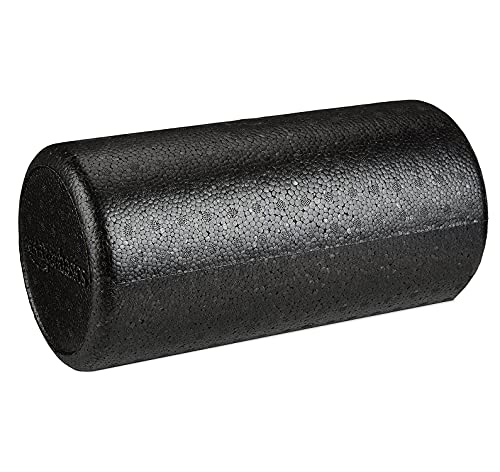
Amazon Basics High-Density Foam Roller for Exercise and Recovery, 12 Inches, Black
High-density foam roller in Black
As an affiliate, we earn on qualifying purchases.
As an affiliate, we earn on qualifying purchases.
Conclusion
Supporting multi-sport athletes is like guiding a tightrope walker—balance is everything. By understanding their busy schedules and encouraging smart planning, you help them thrive without burning out. Remember, each sport adds a unique skill, just like colors on a painter’s palette. With your support, they can excel in all their passions, proving that juggling multiple activities isn’t just possible, but can lead to a vibrant, well-rounded life.

Fit Simplify Resistance Loop Exercise Bands with Instruction Guide and Carry Bag, Set of 5
High End Exercise Bands. Our 12"³ By 2"³ Heavy Duty Loop Resistance Bands Come In 5 Varying Resistance…
As an affiliate, we earn on qualifying purchases.
As an affiliate, we earn on qualifying purchases.

PRIME 32 oz Blue Squeeze Sports Water Bottle, BPA Free, Dishwasher Safe, Easy-Grip Ergonomic Leakproof Design, Fast Hydration for Gym, Cycling, Running
32 OZ SQUEEZE WATER BOTTLE FOR SPORTS & FITNESS: Stay hydrated all day with this high-capacity squeeze bottle,…
As an affiliate, we earn on qualifying purchases.
As an affiliate, we earn on qualifying purchases.