This guide walks teens through selecting and preparing softball equipment suited for their age and skill level. It covers essential gear, proper fit, and safety considerations, ensuring they are ready to play confidently and comfortably. Designed for beginners and intermediate players, it takes about 30 to 45 minutes to complete.

Get sports gear delivered free with Prime
- Fast, free delivery on millions of items
- Prime Video, Amazon Music and more included
- Member-only deals all year
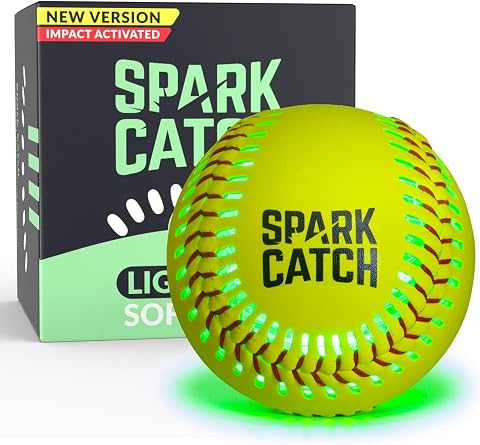
Spark Catch Light Up 12" Glow in The Dark Fastpitch Softball for Girls, Teens, and Players
- ✔ Size: 12 inches
- ✔ Light Activation: Impact-activated LED
- ✔ Battery: A23 (included)

6’x6′ Baseball Softball Practice Net with Carry Bag and Strike Zone
- ✔ Size: 6’x6′
- ✔ Includes: carrying bag, bonus strike zone, ground stakes
- ✔ Material: knotless netting, fiberglass rods
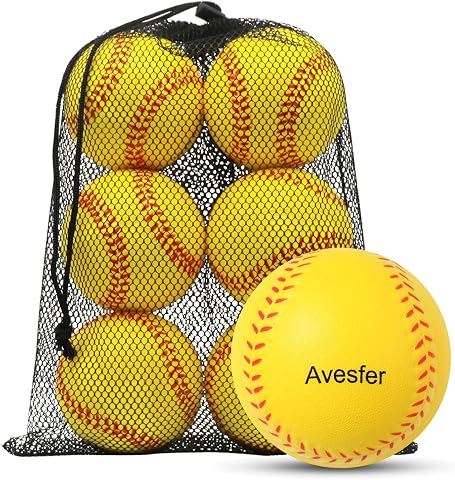
Practice Foam Softballs 11 inch with Mesh Bag – Pack of 6
- ✔ Package Quantity: 6 softballs
- ✔ Size: 11 inches (3.5 inches diameter)
- ✔ Weight: 1.7 oz each
Difficulty: Beginner | Time: 30-45 minutes
What You’ll Need
Tools & Materials:
- measuring tape
- access to a sports store or online shopping platform
Knowledge:
- basic understanding of softball rules and positions
- awareness of safety gear importance
Have a clear budget in mind before shopping. Consider trying on equipment for fit when possible. Ensure you know the player’s height and weight for proper sizing.
Spark Catch Light Up 12" Glow in The Dark Fastpitch Softball for Girls, Teens, and Players
<p>The <strong>Spark Catch Light Up 12" Softball</strong> stands out for its innovative <strong>impact-activated LED lights</strong>, making it perfect for nighttime training and casual games. Compared to traditional softballs, it offers a visual thrill that keeps practice engaging after dark, especially for teens who enjoy playing with friends in the evening. However, it’s important to note that this ball is not designed for hitting or batting, limiting its use primarily to catch and light-up fun. It’s easy to set up with included batteries, but the reliance on batteries means ongoing maintenance and replacement costs. While it excels in safety and entertainment, it’s not suitable for serious training or competitive play.</p>
Pros:
- Lights up on impact for enhanced nighttime play
- Official size and weight with durable stitching
- Easy to set up with included batteries
Cons:
- Not suitable for hitting or batting
- Requires batteries, which may need frequent replacement
- Designed mainly for casual play and catch
Best for: Teens who want a fun, safe way to practice catch and enjoy nighttime baseball activities.
Not ideal for: Teens seeking serious batting practice or competitive softball training.
Bottom line: A fun, innovative choice for casual nighttime catch, but not for serious batting practice or competitive training.
“A fun, innovative choice for casual nighttime catch, but not for serious batting practice or competitive training.”
6’x6′ Baseball Softball Practice Net with Carry Bag and Strike Zone
<p>The <strong>6’x6′ Practice Net</strong> is a versatile training tool suited for both indoor and outdoor use. Its durable, knotless netting and fiberglass rods provide stability for repeated hits, making it ideal for teens working on their accuracy and consistency. The inclusion of a <strong>bonus strike zone</strong> adds to its training value, helping players develop better aim. Compared with softer foam options, this net offers a more realistic hitting environment, but it requires a bit of initial setup and isn’t large enough for extensive batting practice. Its portability and sturdy construction make it a practical choice for teens who want to improve their skills in a controlled setting.</p>
Pros:
- Durable and sturdy construction withstands hard hits
- Easy to assemble and portable for various locations
- Includes a bonus strike zone for targeted practice
Cons:
- Assembly may require some initial effort
- Limited size may not suit large training spaces
Best for: Teens looking for a reliable, portable training tool to improve hitting accuracy and practice regularly.
Not ideal for: Those seeking a larger batting area or focusing solely on pitching or fielding drills.
Bottom line: A solid, portable option that enhances accuracy training but isn’t ideal for extensive batting practice or larger training areas.
“A solid, portable option that enhances accuracy training but isn’t ideal for extensive batting practice or larger training areas.”
Practice Foam Softballs 11 inch with Mesh Bag – Pack of 6
<p>The <strong>Practice Foam Softballs</strong> are designed primarily for safety and ease of use. Their <strong>lightweight PU foam construction</strong> makes them perfect for indoor practice and beginner training, especially for younger teens or those new to softball. Compared to traditional softballs, these foam balls are much safer for indoor environments and less intimidating for beginners. With six softballs in a pack, they offer good value and convenience for casual drills, but their softness means they don’t provide the same impact feedback or durability as real softballs. They’re best suited for initial skill-building rather than competitive or advanced training.</p>
Pros:
- Safe and lightweight for indoor use
- Durable and maintains shape after impact
- Includes convenient mesh storage bag
Cons:
- Limited to foam softballs, not suitable for competitive play
- Only available in two sizes
- Reduced impact feedback for advanced training
Best for: Beginners and younger teens practicing throwing, catching, or light hitting indoors.
Not ideal for: Advanced players or those needing realistic feedback for competitive training.
Bottom line: An excellent safety-focused option for beginners and indoor practice, though not suitable for competitive or advanced training.
“An excellent safety-focused option for beginners and indoor practice, though not suitable for competitive or advanced training.”
As an Amazon Associate we earn from qualifying purchases.
Before You Start
Confirm the player’s age and size to select appropriately sized equipment. Check your budget and decide whether to buy new or used gear. Make sure the shopping list is ready before starting.
Step-by-Step Instructions
Step 1: Determine the player’s size and position needs
Measure the teen’s height, weight, and hand size. Decide their preferred playing position, as this influences equipment choices like glove type and bat length.
Tip: Use a cloth measuring tape for accuracy. Write down measurements for easy reference during shopping.
Check: You have accurate measurements and a clear idea of the player’s position preference.
Step 2: Select an appropriate softball glove
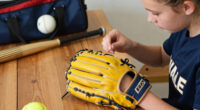
Choose a glove based on the player’s hand size and position. For beginners, a youth-sized glove (11-12 inches) is usually suitable. For infield positions, prefer a smaller glove; for outfield, a slightly larger one.
Tip: Try on gloves to check comfort and fit. The glove should fit snugly but allow easy movement and close around the ball.
Check: The glove fits comfortably, and the teen can close it around a ball without difficulty.
Step 3: Pick the right softball bat
Select a bat that matches the player’s height and strength. For teens, a bat length of about 27-32 inches is typical. Check the bat’s weight (drop weight) to ensure it’s manageable.
Tip: Test the bat by holding it with one hand at the handle, making sure it feels comfortable and balanced.
Check: The bat feels balanced and comfortable when held, and is the appropriate length for the player.
Step 4: Buy batting gloves and protective gear
Choose batting gloves that fit snugly to improve grip. Select a helmet with a faceguard that fits securely and complies with safety standards. Consider additional gear like sliding shorts or an athletic cup if needed.
Tip: Try on gloves and helmet to ensure proper fit before purchasing. Check for certifications on helmets for safety compliance.
Check: All protective gear fits securely and comfortably, with no risk of slipping or discomfort.
Step 5: Select appropriate athletic apparel
Pick comfortable, breathable athletic wear such as moisture-wicking shirts, athletic shorts or pants, and high-quality cleats suitable for baseball/softball fields.
Tip: Ensure cleats have good traction and fit well to prevent slipping or blisters.
Check: The teen is comfortable in the selected apparel, and cleats fit snugly without pinching.
Step 6: Assemble the equipment and check for safety
Gather all chosen gear and inspect for damage, wear, or defects. Ensure the glove is broken in, the helmet fits securely, and the bat has no cracks.
Tip: Test the equipment in a safe space before use to confirm it functions properly.
Check: All gear is in good condition, fits well, and is ready for play.
Common Mistakes to Avoid
- Choosing equipment that is too large or small for the teen — Always measure and try on gear to ensure proper fit before purchasing.
- Buying equipment without safety certifications — Check for safety standards and certifications on helmets and other protective gear.
- Ignoring the player’s comfort and preferences — Involve the teen in selecting gear to ensure they feel confident and comfortable during play.
- Overlooking field-specific footwear requirements — Choose cleats suited for the playing surface, and ensure they fit well to prevent injuries.
Troubleshooting
Problem: Helmet feels loose or tight
Solution: Adjust the helmet’s straps or try a different size to achieve a snug but comfortable fit.
Problem: Bat feels unbalanced or too heavy
Solution: Try different bats within the recommended length and weight range to find a suitable option.
Problem: Glove is stiff and not closing properly
Solution: Break in the glove using methods like playing catch, or choose a glove that is already broken in.
Problem: Cleats cause blisters
Solution: Wear moisture-wicking socks, ensure proper sizing, or consider different cleat models with better padding.
What Success Looks Like
The teen’s equipment fits securely, is comfortable, and meets safety standards. They are able to hold and use the bat, glove, and helmet confidently during practice or play. The gear looks appropriate for their size and position, and no equipment issues are apparent after inspection.
Next Steps
Practice with the equipment regularly to build confidence. Clean and maintain gear after each use. Replace worn or damaged items promptly. Explore local leagues or teams for organized play. Consult a coach or experienced player for further advice on advanced gear choices.
Frequently Asked Questions
How do I know if the helmet fits properly?
The helmet should fit snugly around the head without causing discomfort. It should sit level and cover the forehead, with straps that can be adjusted for a secure fit. There should be no excessive movement when you shake the head.
What is the best bat size for a teen beginner?
For most teens, a bat length of 27 to 30 inches is suitable. Choose a weight (drop weight) that the teen can swing comfortably without strain. Testing different bats in person helps find the right balance.
Are used equipment safe for teens?
Used gear can be safe if inspected carefully. Check for cracks, excessive wear, and safety certifications, especially on helmets and gloves. When in doubt, opt for new gear to guarantee safety and performance.
How often should I replace softball equipment?
Replace helmets after any impact or visible damage. Gloves should be broken in and replaced if they become too worn. Bats last longer but should be replaced if they develop cracks or become unbalanced. Regular inspection ensures safety.
Fall Picks
fall essentials
As an affiliate, we earn on qualifying purchases.