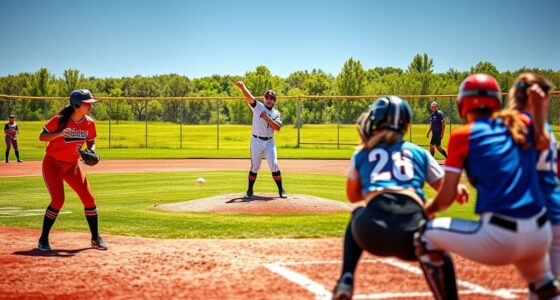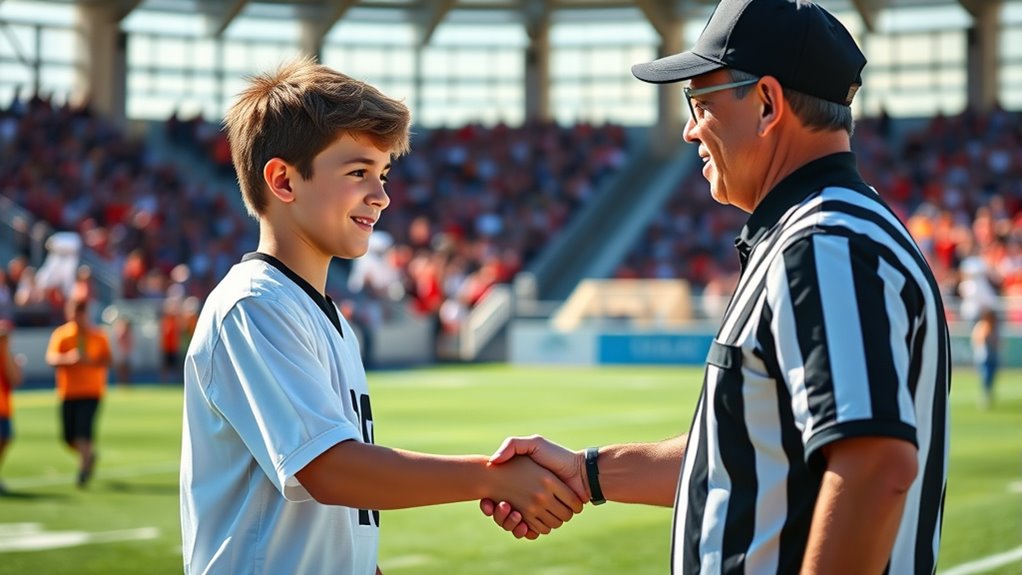

Respecting officials is a key part of good sportsmanship. You should accept their decisions calmly, without protesting or arguing, even if you disagree. Communicate politely if you need clarification, and avoid confrontation during the game. Recognizing the important role officials play helps you stay focused and keeps the game fair and fun. Showing respect also sets a positive example for others. Keep going to learn more about how respecting officials can build a stronger sports culture.

Get sports gear delivered free — and shop member deals
- Fast, free delivery on millions of items
- Access to Prime Big Deal Days deals on October 6–7
- Prime Video, Amazon Music and more included
Key Takeaways
- Always accept officials’ decisions calmly without protesting or arguing.
- Communicate politely with officials during breaks or after the game.
- Show respect for officials to promote fair play and positive sports culture.
- Recognize officials’ role in maintaining game integrity and ethical conduct.
- Demonstrate good sportsmanship by accepting calls gracefully and avoiding confrontations.

Ever wonder what truly makes a good sport? It’s not just skill or teamwork; it’s how you handle every aspect of the game, especially when it comes to respecting officials. Respecting officials is a cornerstone of good sportsmanship and helps keep the game fair and enjoyable for everyone involved. When you’re on the field or court, you need to understand that officials are there to enforce the rules and ensure the game runs smoothly. Their decisions might not always go your way, but showing respect for their authority demonstrates your commitment to ethical conduct. Recognizing their role helps you stay focused on the game and avoid unnecessary conflicts.
Respecting officials is key to good sportsmanship and maintaining a fair, enjoyable game for everyone.
Rule enforcement can sometimes be frustrating, especially if you disagree with a call. However, respecting officials means accepting their decisions without protest or abuse. Instead of arguing or showing disrespect, take a moment to compose yourself. Remember, officials are human and can make mistakes, but they’re doing their best to apply the rules fairly. By accepting their calls gracefully, you set a positive example for teammates and opponents alike. This shows maturity and a genuine respect for the game’s integrity. When you respect officials, you’re also reinforcing the importance of ethical conduct, which is essential for fostering a sports environment where everyone feels safe and valued. Additionally, understanding the role of officials helps you appreciate the importance of fair play in sports.
Engaging with officials respectfully doesn’t mean you have to agree with every decision. If you have questions or concerns, address them politely during breaks or after the game. Avoid arguing on the spot, which can escalate tensions and ruin the spirit of sportsmanship. Instead, focus on maintaining a calm demeanor and understanding that officials are doing their best under pressure. This approach not only preserves your integrity but also encourages others to follow suit. Remember, good sportsmanship isn’t just about winning; it’s about showing respect for everyone involved, including the referees and umpires.
Ultimately, respecting officials is about recognizing their role in upholding the rules and ensuring fairness. It’s a sign of ethical conduct that reflects your character and commitment to the game’s true spirit. When you enforce rules with respect and accept decisions gracefully, you contribute to a positive sports culture. Your attitude influences others around you and helps create an environment where everyone can enjoy playing and watching sports. So next time you’re on the field, remember that respecting officials isn’t just good manners — it’s essential to being a true sportsman.
sportsmanship referee communication tools
As an affiliate, we earn on qualifying purchases.
As an affiliate, we earn on qualifying purchases.
Frequently Asked Questions
How Can Players Effectively Handle Disagreements With Officials?
You can effectively handle disagreements with officials by maintaining calm and using respectful player communication. If a call seems unfair, calmly ask for clarification without raising your voice. Focus on dispute resolution by listening carefully and avoiding arguments. Remember, staying respectful shows good sportsmanship and helps resolve issues smoothly. By staying composed and communicating clearly, you can address disagreements professionally and keep the game enjoyable for everyone.
What Are the Common Mistakes Beginners Make Regarding Sportsmanship?
You might think yelling or arguing shows passion, but it’s actually a common mistake beginners make regarding sportsmanship. Instead, you should demonstrate gestures of respect like nodding or thanking officials. Using proper sportsmanship terminology, such as “please” and “thank you,” helps maintain respect. Remember, good sportsmanship isn’t just about winning; it’s about showing respect even when you disagree, which keeps the game enjoyable for everyone.
How Should Spectators Support Officials During a Game?
You should cheer respectfully and avoid protests when supporting officials during a game. Show your appreciation for their hard work and stay positive, even if you disagree with a call. Refrain from shouting or arguing, as it can create a tense environment. Instead, encourage good sportsmanship among other spectators and players. Your respectful support helps officials do their job confidently and maintains a fair, enjoyable game for everyone involved.
What Is the Best Way to Learn Sportsmanship Etiquette?
Imagine you’re in a medieval tavern, learning the art of respect. To master sportsmanship etiquette, you should observe respectful communication and practice positive reinforcement. Watch experienced players and officials, ask for feedback, and stay humble. Remember, good sportsmanship isn’t just about rules — it’s about attitude. Engage in team talks, listen actively, and always encourage others. Over time, these habits will become second nature, making you a true sportsmanship knight.
How Do Officials Maintain Fairness Under Pressure?
Officials maintain fairness under pressure by focusing on game integrity and practicing ethical decision-making. They stay calm, observe carefully, and adhere strictly to rules, even when emotions run high. By trusting their training and remaining impartial, they ensure the game remains fair for all players. Their commitment to integrity helps prevent bias, allowing them to make quick, fair decisions that uphold the spirit of sportsmanship.
sports officiating whistle and communication set
As an affiliate, we earn on qualifying purchases.
As an affiliate, we earn on qualifying purchases.
Conclusion
Remember, respecting officials is the foundation of good sportsmanship—think of it as the sturdy frame that holds up the whole game. When you show fairness and kindness, you create an environment where everyone can enjoy playing and learning. Just like a well-tuned instrument, your attitude sets the tone for the entire team. Keep these habits in mind, and you’ll build a reputation as someone who truly values the spirit of the game.
sportsmanship training for athletes
As an affiliate, we earn on qualifying purchases.
As an affiliate, we earn on qualifying purchases.
As an affiliate, we earn on qualifying purchases.
Fall Picks
fall essentials
As an affiliate, we earn on qualifying purchases.