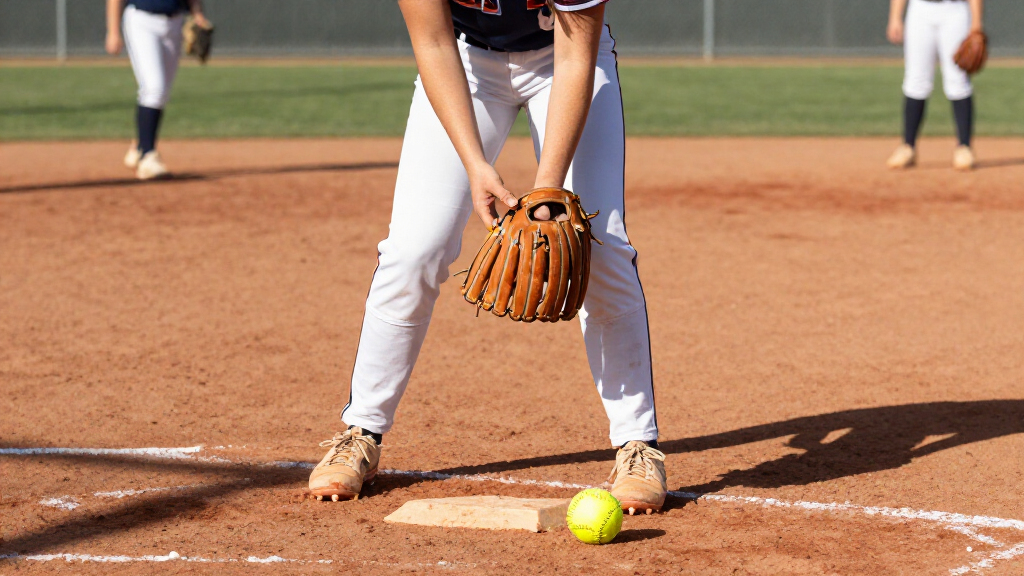

Choose a softball glove that fits your hand, works for your position, and meets your league’s rules. This guide is for women and girls buying their first glove or replacing one; the same fit and selection advice applies to any player. You will measure your hand, compare glove sizes and features, try on candidates, and start breaking in the glove. Allow 30-60 minutes to shop and check the fit, then plan on several practice sessions before game use.

Get sports gear delivered free with Prime
- Fast, free delivery on millions of items
- Prime Video, Amazon Music and more included
- Member-only deals all year

Franklin Sports Field Master Fastpitch Glove
- ✔ Size: 12 inches
- ✔ Glove type: Infield
- ✔ Hand orientation: Right-hand throw

Franklin Sports Windmill Fastpitch Pro Softball Glove
- ✔ Size: 12 inches
- ✔ Glove type: Infield
- ✔ Hand orientation: Right-hand throw
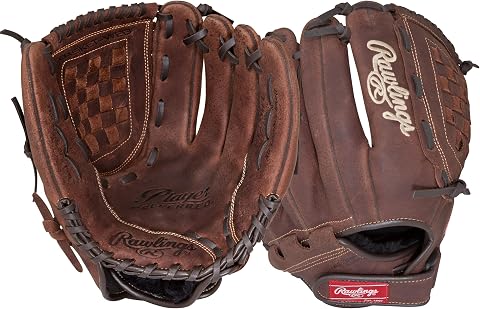
Rawlings Player Preferred 12.5-Inch Baseball and Softball Glove
- ✔ Size: 12.5 inches
- ✔ Stated use: Baseball and softball
- ✔ Hand orientation: Right-hand throw
Difficulty: Beginner | Time: 30-60 minutes to choose and fit; several practice sessions to break in
What You’ll Need
Tools & Materials:
- A flexible tape measure or ruler
- Your usual batting or fielding glove, if you wear one inside your softball glove
- Access to a sporting goods shop or product listings with return information
Knowledge:
- Your primary position, or the positions you expect to play
- Whether your league has glove color, web, or equipment rules
Softball gloves are often labeled by inches, but hand size alone does not determine the right glove. Position, ball size, web style, and personal comfort matter too. Check your league rules and the seller’s return policy before removing tags or applying glove oil.
Franklin Sports Field Master Fastpitch Glove
The Field Master is our strongest all-around choice for a fastpitch player who wants a glove that is designed around a secure wrist fit and a comfortable pocket. Its narrower opening and adjustable strap give players two ways to keep the glove feeling held in place, while the hand-formed pocket is intended to support ball control. At 12 inches, it is smaller than the 12.5-inch Rawlings, which may suit players who prefer a more compact feel for infield play.Compared with the Windmill Pro, the Field Master uses thick synthetic leather rather than lightweight technical mesh. That makes it the more structured-feeling option on paper, and its ready-to-play break-in level may appeal to someone who wants to get on the field without extensive shaping. The tradeoff is that synthetic material will not deliver the same traditional leather feel as the Rawlings, and the supplied specifications list only right-hand throw. Buyers should also note that its infield designation and trapeze web are stated features, not proof that it is the right glove for every position. We would skip it if we need left-hand throw or specifically want a leather shell.
Pros:
- Fastpitch-specific design with a narrower opening.
- Adjustable wrist strap helps tailor the fit.
- Hand-formed pocket is intended to improve comfort and ball control.
- Ready-to-play break-in level and thick synthetic leather.
Cons:
- Synthetic leather may feel less traditional than genuine leather.
- Provided specifications list right-hand throw only.
Best for: Fastpitch infield players who want an adjustable, secure fit, a shaped pocket, and a short break-in.
Not ideal for: Left-hand throw players or buyers who prioritize full-grain leather feel and construction.
Bottom line: We recommend the Field Master as the most balanced fastpitch option here for players who value fit adjustment and quick readiness over a leather shell.
“We recommend the Field Master as the most balanced fastpitch option here for players who value fit adjustment and quick readiness over a leather shell.”
Franklin Sports Windmill Fastpitch Pro Softball Glove
When quick movement is the priority, the Windmill Fastpitch Pro is the standout. At a listed 10.56 ounces, it is lighter than both the Field Master and the Rawlings, and its technical mesh construction is intended to keep the glove nimble. A narrow wrist opening and adjustable closure help it stay secure, while the soft pocket is described as breaking in quickly. That combination makes it a plausible choice for a developing player who wants an easy-moving glove rather than a heavier, more substantial feel.Its limits are important for adults shopping this roundup. The product description says it is primarily designed for youth players, even though the supplied age range says adult, so larger hands should check sizing carefully. The 12-inch size is also the same as the Field Master but does not offer the Rawlings’ larger listed 12.5-inch profile. Compared with the Field Master, the Windmill is lighter and mesh-based, but its design may feel less durable or substantial to buyers seeking thick synthetic leather. The PVC lining may also be less breathable than a more open or leather-lined construction. Choose it for maneuverability and fast break-in; look elsewhere if your hand needs more room or you want a traditional leather shell.
Pros:
- Lightest listed glove in this comparison at 10.56 ounces.
- Technical mesh construction supports a lightweight feel.
- Narrow wrist opening and adjustable closure help customize fit.
- Soft pocket is described as quick to break in.
Cons:
- Primarily youth-oriented description may not fit larger adult hands.
- PVC lining may be less breathable than some alternatives.
- Provided specifications list right-hand throw only.
Best for: Youth or smaller-handed players who want a light 12-inch glove with an adjustable closure and quick break-in.
Not ideal for: Players with larger hands, or buyers seeking full-grain leather, greater structure, or a more adult-focused fit description.
Bottom line: We would choose the Windmill Pro for a smaller-handed player who values low weight and quick movement more than leather construction or a roomier fit.
“We would choose the Windmill Pro for a smaller-handed player who values low weight and quick movement more than leather construction or a roomier fit.”
Rawlings Player Preferred 12.5-Inch Baseball and Softball Glove
The Rawlings Player Preferred takes a different path from the two Franklin gloves: its full-grain oiled leather shell and all-leather laces target buyers who want a more traditional glove build. The 12.5-inch size is the largest listed here, and Zero Shock palm padding is intended to soften impact. It arrives 80% factory broken in, so it offers a compromise between a ready-to-use feel and the shaping associated with leather.Against the Field Master, Rawlings is the choice for shell material and extra listed length, but it is heavier at 1.3 pounds and is described for recreational baseball and softball rather than specifically for fastpitch. That makes the Field Master a clearer match for a fastpitch player seeking a ready-to-play glove. Compared with the Windmill Pro, Rawlings gives up lightweight mesh mobility for leather construction and padding. Its synthetic leather lining is another compromise for buyers who expect leather throughout, and the listed orientation is right-hand throw only. We would favor this glove when the leather shell and palm protection matter more than minimizing weight; players wanting the lightest option or a fastpitch-specific description should compare the Franklin models first.
Pros:
- Full-grain oiled leather shell with all-leather laces.
- 80% factory break-in provides a partly shaped starting point.
- Zero Shock palm padding is designed to help reduce sting.
- 12.5-inch size is the largest in this comparison.
Cons:
- Listed weight of 1.3 pounds makes it much heavier than either Franklin glove.
- Synthetic leather lining differs from the full-leather shell and laces.
- Provided specifications list right-hand throw only.
Best for: Recreational softball players who prefer a full-grain leather shell, a 12.5-inch glove, and palm padding.
Not ideal for: Players prioritizing the lightest glove, a specifically fastpitch-focused model, or leather throughout the lining.
Bottom line: We recommend the Rawlings for recreational players who put leather construction and palm padding ahead of low weight or a fastpitch-specific design.
“We recommend the Rawlings for recreational players who put leather construction and palm padding ahead of low weight or a fastpitch-specific design.”
As an Amazon Associate we earn from qualifying purchases.
Before You Start
Find out whether you play fastpitch or slowpitch and check your league’s equipment rules. Gloves are not made specifically for women’s hands by a universal sizing standard. Some brands offer smaller hand openings or adjustable wrist closures, so try those features if standard gloves feel loose. If you can, try on several models in person; sizes can feel different across brands.
Step-by-Step Instructions
Step 1: Identify your position and playing style
Write down your main position and whether you play fastpitch or slowpitch. If you play mostly in the infield, prioritize quick ball transfer and a glove that feels easy to control. Outfielders generally need a larger pocket to help catch fly balls. Pitchers may prefer a closed or less open web, subject to league rules. Catchers and first basemen often use specialized mitts; check your league’s equipment requirements before buying one.
Tip:If you play several positions, choose a glove for the position you play most. A versatile utility glove may suit occasional position changes, but it may not match the specialized shape of a catcher’s or first baseman’s mitt.
Check: You can name your primary position and any equipment rules that affect the glove you need.
Step 2: Measure your hand and note how you wear the glove
Measure from the tip of your index finger to the base of your palm, or use the measurement method recommended by the glove maker. Record the result as a starting point for comparing models. Decide whether you will wear a thin batting or fielding glove underneath. If you usually wear one, bring it to the shop or wear it while trying gloves on.
Tip:A hand measurement does not convert directly into a glove size. Use the manufacturer’s position and age guidance as a starting range, then judge the fit by trying the glove on.
Check: You have a recorded hand measurement and know whether you will try the glove with an underglove.
Step 3: Compare glove size, pocket, and web
Compare glove sizes within the range recommended for your position and level of play. Check the product’s sizing chart rather than relying on a general chart alone. Look at the pocket depth and web: an open web can help an infielder see and release the ball quickly, while a deeper pocket can help an outfielder secure catches. Consider an adjustable wrist strap or a smaller hand opening if you need a closer fit. Compare the weight and stiffness as well, especially for a younger player who may struggle to close a stiff glove.
Tip:Do not choose the largest glove available just for extra reach. A glove that is too big can make catching and transferring the ball harder.
Check: You have a short list of gloves suited to your position, with sizes and features you can compare in person or against the seller’s return policy.
Step 4: Try on each glove and check the fit
Put your hand fully into the glove and fasten the wrist closure. Your fingers should reach into the finger stalls without feeling cramped, and the glove should stay secure when you turn your hand palm-down. Move your fingers and flex the glove several times. If you use an underglove, repeat the check with it on. Ask a shop employee to help compare the hand opening and wrist adjustment if the glove shifts or pinches.
Tip:Some leather gloves feel stiff at first, but the glove should not cause pain or prevent you from closing your hand. Do not count on break-in to fix a glove that is clearly too large or uncomfortable.
Check: The glove feels secure, does not pinch, and can close enough for you to control the pocket.
Step 5: Choose the glove hand and confirm the return terms
Choose a right-hand throw glove if you throw with your right hand; you wear it on your left hand. Choose a left-hand throw glove if you throw with your left hand; you wear it on your right hand. Confirm the glove is labeled for the correct throwing hand before paying. Keep the receipt and check whether you can return or exchange the glove after trying it at home.
Tip:Product listings usually describe the throwing hand, not the hand that wears the glove. Read the label carefully to avoid ordering the opposite glove.
Check: The glove fits the hand opposite your throwing hand, and you know the seller’s return or exchange conditions.
Step 6: Break in the glove gradually
Follow the maker’s break-in instructions. Work the pocket by catching soft tosses or squeezing a ball into the pocket by hand. Use glove conditioner only if the manufacturer recommends it, and apply it sparingly according to the directions. Keep the glove dry and store it at room temperature with a ball in the pocket if the maker recommends that method.
Tip:Avoid soaking, baking, microwaving, or driving over the glove. Heat and excess moisture can damage leather, stitching, or padding. Do not use household oils unless the glove maker specifically approves them.
Check: The glove closes around a ball and holds it in the pocket without excessive force, and its materials remain dry and intact.
Step 7: Test the glove during practice
Use the glove for easy ground balls and soft tosses before relying on it in a game. Practice closing it around the ball, securing catches, and moving the ball into your throwing hand. Increase the pace and distance as the glove becomes more comfortable. If it slips, pinches, or prevents a clean transfer, adjust the wrist closure or reconsider the fit while exchange options remain open.
Tip:Follow team and league rules during practice and games, including any restrictions on glove color or pitcher equipment.
Check: You can catch, secure, and transfer the ball repeatedly without pain or the glove shifting on your hand.
Common Mistakes to Avoid
- Buying a glove based only on a size chart or hand measurement. — Use measurements to narrow the choices, then check the actual fit, closure, and finger reach on your hand.
- Choosing a glove that is too large for extra reach. — Choose a size suited to your position and control. Check that you can close the pocket and move the ball out quickly.
- Ordering the wrong throwing-hand version. — Confirm whether the product label refers to the throwing hand. Right-hand throwers wear the glove on the left hand, and left-hand throwers wear it on the right.
- Using heat, water, or too much conditioner to speed break-in. — Follow the maker’s instructions and break in the glove through gradual catching practice.
Troubleshooting
Problem: The glove shifts or feels loose when you turn your hand.
Solution: Tighten the wrist closure if it is adjustable and try the glove with your usual underglove. If it still shifts, compare a smaller hand opening or another model; do not rely on an oversized glove to mold into a secure fit.
Problem: The glove pinches or your fingers feel cramped.
Solution: Loosen the wrist strap and check that your fingers are in the correct stalls. If the pressure remains, try another size or model with a roomier hand opening. Stop using any glove that causes pain.
Problem: The glove is too stiff to close around the ball.
Solution: Check the break-in directions, then work the pocket through gentle squeezing and soft tosses over several sessions. If it remains difficult to close, ask the seller about an exchange; stiffness will not correct a poor fit.
Problem: The ball does not stay in the pocket during catches.
Solution: Check that the glove is sized and shaped for your position, and practice receiving the ball in the pocket. Inspect the web and laces for damage; have a qualified repair shop replace loose or broken lacing.
What Success Looks Like
The finished choice is labeled for your throwing hand, fits securely without pain, and suits your position and league rules. After gradual break-in, you can catch and hold a ball in the pocket, close the glove with control, and transfer the ball to your throwing hand during practice.
Next Steps
Keep the glove clean and dry, loosen dirt with a soft cloth, and store it away from direct heat. Check the laces and wrist closure regularly, especially before games. Repeat easy catching practice after long periods without use. If the glove continues to slip, pinch, or block a clean transfer, reassess its fit before using it in a game.
Frequently Asked Questions
Are there softball gloves made specifically for women?
Some brands offer gloves with smaller hand openings or adjustable wrist closures, but there is no single women’s glove sizing standard. Fit and comfort are more useful guides than a gender label. Try the glove on with any underglove you normally wear.
What size softball glove should I get?
Start with the maker’s chart for your position and level, then try on the listed sizes. Infielders often prefer a smaller, more controlled glove, while outfielders commonly choose a larger glove with a deeper pocket. Brand sizing can vary, so check fit before buying when possible.
Can I use one glove for several positions?
A general utility glove can work for players who move between positions. If you play catcher or first base, check whether your team or league expects a specialized mitt and whether your general glove meets its rules.
How long does glove break-in take?
It varies with the material, construction, and how often you practice. A glove may need several practice sessions or longer to feel comfortable. Follow the maker’s instructions and avoid heat or soaking methods that can damage it.
Should I buy a right-hand or left-hand throw glove?
Choose the version based on the hand you throw with. A right-hand thrower wears the glove on the left hand; a left-hand thrower wears it on the right hand. Confirm the product label before ordering.