
TL;DR

Get sports gear delivered free with Prime
- Fast, free delivery on millions of items
- Prime Video, Amazon Music and more included
- Member-only deals all year
A softball equipment set bundles gear for playing or practicing, but contents vary widely. Focus on fit, league rules, and durability to get the best value. Always check what’s included and what’s left out before buying.
Imagine handing a young player a softball bat and glove, expecting them to perform like a pro. The truth is, without the right fit and proper gear, even the best equipment can fall flat. Softball equipment sets promise simplicity, but they hide a maze of choices and details.
In this guide, you’ll learn what’s typically included in a set, how to evaluate its quality, and what extras you might need. Whether you’re buying for a beginner or upgrading a team’s gear, understanding these points ensures you get gear that’s safe, legal, and genuinely useful.
Always review the detailed contents of a softball set to ensure it includes what your player needs.
Proper fit of bat and glove impacts safety, control, and confidence more than brand or price.
A basic set often leaves out essential safety gear; budget for extras like helmets and catcher’s equipment.
Check league rules for approved bats and protective gear to avoid disqualification or safety issues.
Maintain gear regularly—clean, inspect, and replace damaged items to prolong usability and safety.
What’s Usually Included in a Softball Equipment Set?
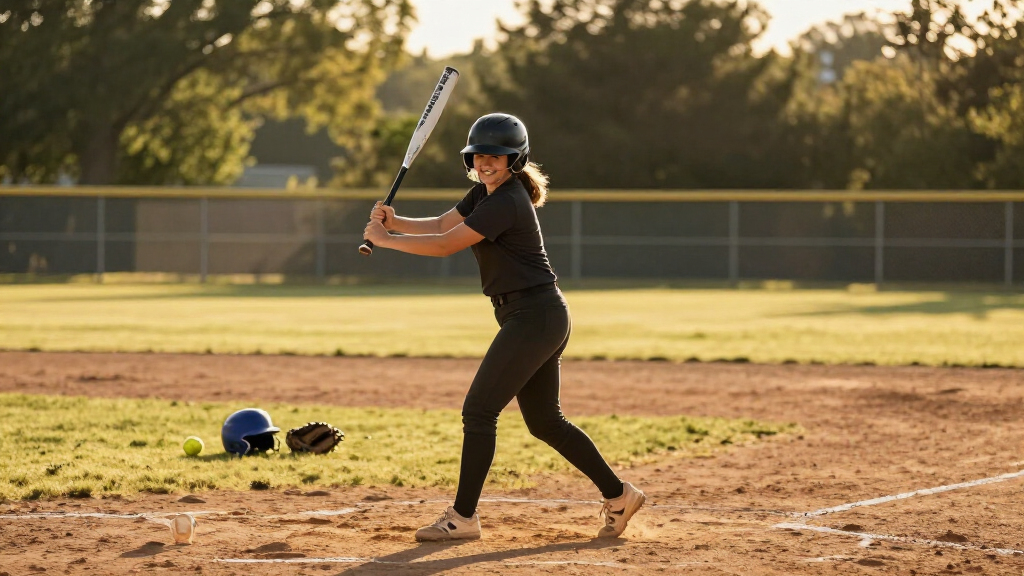
A softball equipment set often includes a bat, glove, ball, and a carrying bag. Some beginner sets also toss in a helmet or batting gloves, while more advanced bundles might add catcher’s gear or multiple bats. For example, a youth starter set might be a compact bundle with a lightweight bat, a smaller glove, and a soft ball—perfect for young players just starting out.
However, the contents vary widely. A team bundle could include several bats, helmets, and practice balls, but rarely all the gear a player needs for a game. Always read the detailed list of what’s inside before purchasing. Remember: a set is a great starting point but often isn’t a complete kit for every player’s needs.
Think of a softball set like a meal combo. It might cover the basics but might leave out the sides or drinks you need for the full experience. So, check what’s included, and plan for any extras later.
softball equipment set for youth beginners
As an affiliate, we earn on qualifying purchases.
As an affiliate, we earn on qualifying purchases.
How to Pick the Right Bat and Glove for Your Player
Choosing the right bat and glove is the secret sauce in making a set work. For bats, size matters. An ill-fitting bat can significantly impact performance, making swings less powerful or more awkward, which increases the risk of injury or fatigue. A bat that’s too heavy can cause poor swing mechanics and strain, while one that’s too light may not generate enough power or control. Measuring the player’s height and weight and understanding league-approved sizes helps ensure optimal performance and safety. For example, a 10-year-old girl who’s 4’8” might swing a 26-inch bat comfortably, but trying a few options can help find the best fit.
Gloves are all about fit, comfort, and flexibility. An ill-fitting glove can hinder catching, cause discomfort, or lead to injuries like blisters or strained fingers. Trying gloves on allows you to feel how snugly they fit without pinching or being too loose, which affects control. For infield positions, a smaller glove (11-12 inches) offers quick ball transfer, while outfielders benefit from larger gloves (12-13 inches) for better reach. Proper fit enhances confidence, control, and reduces the chance of mishandling the ball, directly influencing game performance.
League rules matter too. Some leagues ban certain bat models or require specific certification marks to ensure safety standards are met. Using non-compliant gear could lead to disqualification or safety hazards. For instance, a bat labeled as “slowpitch” isn’t legal in a fastpitch league, which could be confusing if overlooked. Understanding these details helps prevent costly mistakes and ensures your gear is both legal and safe for play.
As an affiliate, we earn on qualifying purchases.
The Hidden Gaps: What a Basic Set Usually Leaves Out
A typical softball set is like a starter pack—great for beginners but not complete. While it might include a bat, glove, and ball, critical safety and performance gear are often missing, which can have serious implications. For example, many youth sets do not include helmets that meet league safety standards; using a non-compliant helmet increases the risk of head injuries. This omission underscores the importance of purchasing safety gear separately to ensure proper protection.
Similarly, catchers need specialized gear like chest protectors and leg guards that are rarely included in basic sets. Playing multiple positions or aiming for longevity in the sport makes investing in these items essential. Properly fitting cleats, which support quick movements and prevent injuries, are often purchased separately because different players require different sizes and styles for comfort and safety. Neglecting these extras can lead to safety issues, performance setbacks, or disqualification due to non-compliance.
Imagine buying what seems like a complete set, only to find the glove is too small or the helmet doesn’t meet safety standards just when you need it most. To avoid such pitfalls, always review your league’s gear requirements, create a checklist, and verify that your set covers all safety and performance essentials. This proactive approach ensures you’re fully prepared for game day and reduces surprises that could compromise safety or legality.
As an affiliate, we earn on qualifying purchases.
Compare Top Features of Popular Softball Sets
| Feature | Basic Starter Set | Mid-Range Team Bundle | Advanced Competitive Set |
|---|---|---|---|
| Included Items | Bat, glove, ball, bag | Multiple bats, helmets, balls | High-end bats, catcher’s gear, premium glove |
| Price Range | $50-$100 | $150-$300 | $300+ |
| Materials | Basic aluminum, synthetic leather | Composite bats, real leather gloves | Hybrid designs, top-tier materials |
| Durability | Good for beginners, but wears faster | Built for regular use, longer-lasting | Designed for competitive play, very durable |
As an affiliate, we earn on qualifying purchases.
Smart Tips to Make Your Softball Set Last Longer
Investing in a softball set is just the start. To keep gear safe and playable, treat it like a prized possession. Clean your glove with a soft cloth after each game, and apply a leather conditioner every few months. Store bats in a cool, dry place—exposure to heat or moisture can warp or weaken the materials.
Inspect protective gear regularly. Replace cracked helmets or torn padding immediately. If a glove’s pocket starts to loosen, re-lace it to restore the fit. And always have a backup ball on hand—nothing’s worse than a game stoppage because you’re out of practice balls.
For example, one coach I know keeps a small container of leather oil and a rag in their dugout. A quick wipe-down of the glove after every few uses keeps it supple and ready for action. Proper maintenance pays off in safety and performance.
What You Need to Know About League Rules and Equipment Compliance
Every league has its own set of rules about what gear is allowed. A softball bat deemed legal in one league might be banned in another. Look for certification marks like ASA or USSSA, which indicate approval. For example, a bat labeled “ASA Approved” is suitable for most youth leagues.
Similarly, helmets must meet safety standards. Many leagues require face guards or specific padding. Catcher’s gear needs to be certified for impact resistance. Ignoring these details could mean your player isn’t protected or even faces disqualification.
Stay ahead of the game: check your league’s rulebook before shopping. Manufacturers often list compliance info on their packaging or websites. It’s a small step that prevents big headaches during game day.
Frequently Asked Questions
Can I buy a softball set for a beginner without worrying about league rules?
While a beginner set is great for starting out, always double-check league regulations for bat approval and safety gear requirements. This ensures your new player can join games without issues.How do I know if the bat in the set is legal?
Look for certification labels like ASA or USSSA on the bat. Verify the league’s approved models and size restrictions. When in doubt, ask your league director or check their website.Is a higher price always better for softball gear?
Not necessarily. Higher prices often reflect better materials or additional features, but fit, durability, and league compliance matter more. Focus on what the gear can do for your player.Should I buy a full set or piece together gear separately?
A complete set simplifies shopping and can save money, but make sure it includes everything your player needs. Sometimes, buying key pieces separately ensures a perfect fit and compliance.How often should I replace protective gear?
Inspect gear after each season. Replace helmets or pads showing cracks, tears, or significant wear. Regular maintenance keeps your player safe and gear functional.Conclusion
Choosing the right softball equipment set isn’t just about grabbing a bundle and going. It’s about matching gear to the player’s size, skill, and league rules. The best sets aren’t necessarily the most expensive—they’re the ones that fit and protect.
Think of your gear as the foundation of fun and safety on the field. When you select wisely, it turns every game into a confident, smooth-swinging experience. Gear up smart, play hard, and enjoy the game’s thrill.
Halloween Picks
halloween
As an affiliate, we earn on qualifying purchases.